
The Essential Checklist: What to Verify Before Leaving for Agricultural Work Abroad
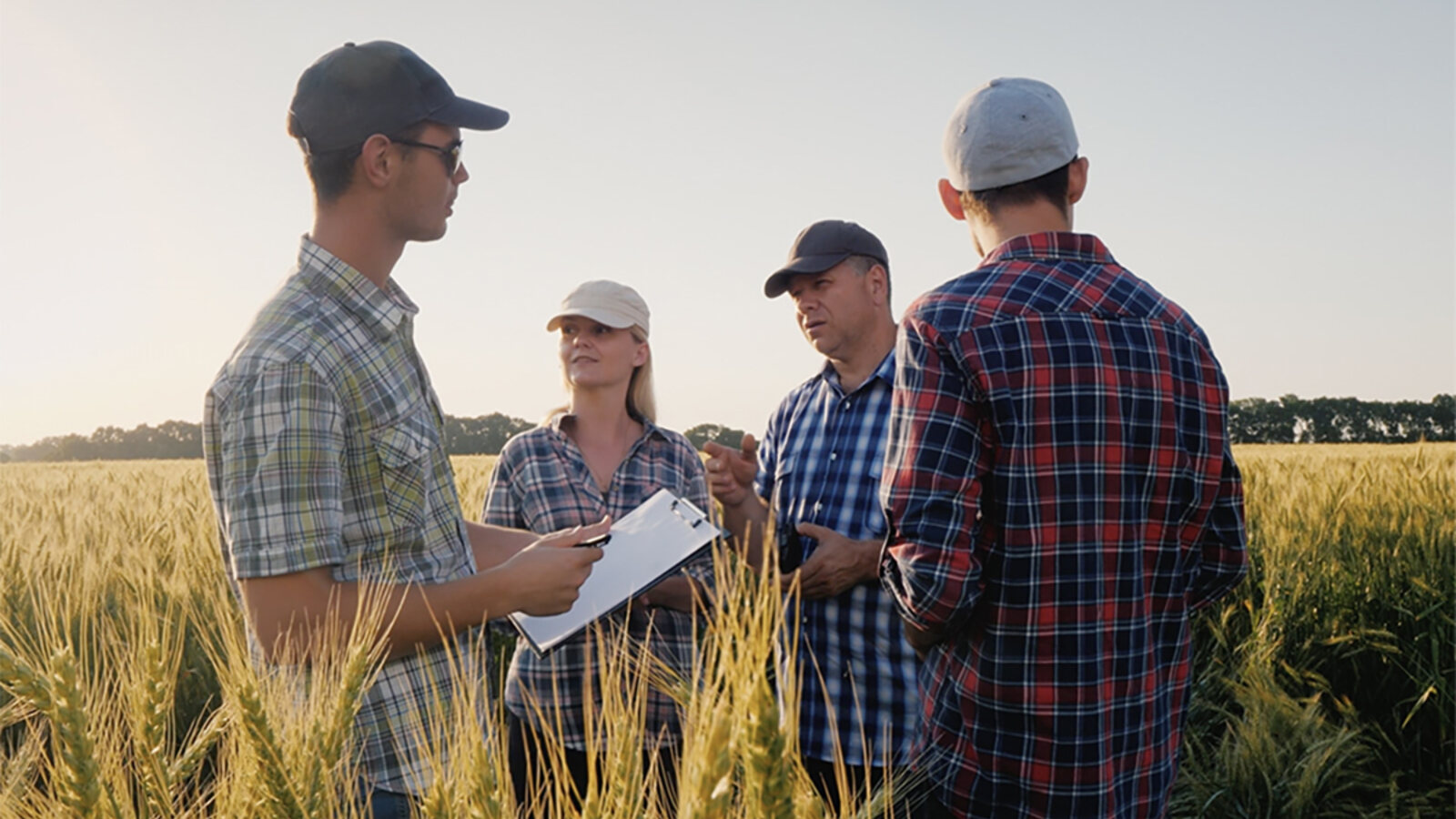
The Reality of Crossing Borders for the Harvest
Leaving your home country for agricultural work abroad is an undertaking that requires more than just physical stamina; it requires sharp preparation. Every year, thousands of workers traverse borders to plant, tend, and harvest the crops that feed continents. While many find rewarding work and reliable employers, others encounter conditions that differ drastically from what was promised. The difference between a successful season and a difficult ordeal almost always comes down to what you verify before you ever board a bus, train, or plane.
In the agricultural sector, the physical distance between your home and the farm can amplify vulnerabilities. You might find yourself in rural, isolated areas where local languages and customs are entirely foreign. Therefore, taking a proactive approach to your employment terms is not just good practice—it is your primary defense against exploitation. This guide is designed to walk you through the absolute essentials of what to check, verify, and question before you commit to agricultural work abroad.
Verifying the Identity of Your True Employer
One of the most common complexities in seasonal agricultural work is the chain of employment. You may be talking to a recruiter, a local agency, or an intermediary, but they might not be the actual entity paying your wages. Before you agree to anything, you need to clearly establish who your legal employer will be. Will you be employed directly by the farm, or are you signing on with a temporary staffing agency that leases your labor to various agricultural enterprises?
Working for an agency is common and can be legitimate, but it introduces an extra layer of administration. You must know the exact registered name of the business you are contracting with, their physical address, and their contact information. Use this information to do your own independent research. A simple internet search can sometimes reveal forums or social media groups where past workers share their experiences. If you cannot find any trace of the company, or if the recruiter avoids giving you direct answers about the employer's identity, consider this a major warning sign.
Furthermore, understand who is responsible for you once you arrive. If you have a dispute about hours or pay, do you complain to the farm manager or the agency representative? Clarifying this chain of command before departure prevents endless runarounds when you are tired after a long day in the fields.
Decoding the Contract Before You Pack
The employment contract is your primary legal shield. You must never travel without a signed contract, and more importantly, you must never sign a contract you do not completely understand. It is a fundamental right to receive the contract in a language you comprehend. If you are handed a document in a foreign language and told to just sign it because it is standard, politely refuse until a translated copy is provided or you have someone independent translate it for you.
When reading the contract, compare the written terms to the verbal promises made by the recruiter. Verbal agreements are incredibly difficult to enforce across borders. Look specifically at the duration of the contract, the expected working hours, and the conditions for termination. Can the employer send you home early without compensation if the harvest is poor? What happens if you need to leave early due to a family emergency? A good contract protects both parties, not just the employer.
Understanding the Pay Structure: Hourly vs. Piece-Rate
Agricultural work often utilizes complex payment structures. You need absolute clarity on how your labor will be valued. Are you being paid an hourly rate, or are you being paid a piece-rate based on the volume of crop you harvest? Both systems have their advantages and pitfalls.
If you are on an hourly rate, check how overtime is calculated and compensated. Agricultural work frequently requires long days, especially just before a storm or at the peak of the season. Ensure that these long hours translate into appropriate pay. If the farm uses a piece-rate system, you need to know the baseline. What happens if the crop yield is poor due to bad weather? In many regions, the employer must guarantee a minimum hourly wage even if your piece-rate earnings fall short, but you must confirm this applies to your contract.
Equally critical is understanding deductions. Your gross pay is rarely what ends up in your pocket. Clarify exactly what will be deducted from your wages for taxes, social security, housing, transportation, and even tools or protective gear. High, unexplained deductions are a common method used to artificially lower wages. Always ask for an estimated net pay calculation before you accept the job.
Housing and Daily Living: The Invisible Costs
Where you sleep and recover is just as important as where you work. Agricultural housing varies wildly, from modern dormitories to repurposed barns or overcrowded caravans. Never accept vague assurances like 'accommodation provided'. Demand specifics, and if possible, ask for recent photographs of the living quarters, kitchens, and bathrooms.
You need to know how many people you will be sharing a room with and what facilities are available. Are there enough washing machines for the entire crew? Is there adequate heating for cold nights, or ventilation for the summer heat? Furthermore, understand the financial arrangement. Is the housing truly free, or will the cost be deducted directly from your paycheck? If it is deducted, ensure the amount is reasonable and stated explicitly in your contract.
Location is another vital factor. Farms are often isolated. Find out how far the housing is from the nearest town, grocery store, or pharmacy. If you are completely reliant on the employer for basic necessities, your cost of living can unexpectedly rise, and your freedom of movement is restricted.
Transport: Commuting to the Fields
Logistics can drain both your wallet and your energy. First, clarify the terms of your travel from your home country to the work destination. Does the employer cover the cost of the initial ticket, or is it your responsibility? If they arrange the transport, will the cost be deducted from your first few paychecks?
Second, investigate the daily commute. How will you get from your accommodation to the specific field or greenhouse where you will work each day? On large farms, this travel can take considerable time. Find out if the employer provides daily shuttles, if this transport is free, and most importantly, whether the travel time is counted as paid working hours. Walking several miles to a field before starting a grueling physical shift can quickly lead to exhaustion.
Health, Safety, and Insurance
Farming is physically demanding and carries inherent risks, from operating heavy machinery to handling chemical fertilizers or simply enduring extreme weather. You must know what happens if you are injured on the job or fall seriously ill. Do not cross a border without confirming your health insurance coverage.
Check if your contract includes comprehensive medical insurance that covers workplace accidents. If you are moving within the European Union, ensure you have an active European Health Insurance Card (EHIC), but remember this only covers basic public healthcare, not necessarily private treatment or repatriation. Ask the employer what protective equipment—such as gloves, boots, and sun protection—they provide, and what you are expected to bring or buy yourself.
Essential Documents and Digital Backups
Your passport and identification documents are your lifelines. Before you leave, ensure your passport is valid for at least six months beyond your planned return date. If a visa or specific seasonal work permit is required, verify that the employer has completed their part of the process and that the permit is linked specifically to you.
- Keep your originals: Never hand over your passport or national ID card to an employer, recruiter, or landlord for 'safekeeping'. This is a massive red flag. Your employer may need to see it or take a photocopy, but the original must always stay in your possession.
- Make digital backups: Take clear photographs of your passport, work permit, contract, and travel tickets. Email these copies to yourself and to a trusted family member.
- Carry paper copies: Keep physical photocopies of your documents in a separate bag from your originals.
Building Your Emergency Safety Net
Hope for a great season, but plan for the worst. Before you depart, establish an emergency safety net. Research the contact details for your country's embassy or consulate in the destination country. Save these numbers in your phone and write them down on paper.
Ensure you have a financial buffer. Never travel with exactly zero funds, expecting an immediate advance from the employer. Have enough money—either in cash or accessible on a bank card—to pay for an emergency bus or train ticket home, as well as a few nights in a cheap hostel. Having the financial ability to walk away from a bad situation is the ultimate protection against exploitation. Discuss a communication schedule with your family or friends back home, so they know exactly when to expect your calls and when to raise an alarm if they do not hear from you.