
Setting the Stage: How to Organize the First Day for a New Farm Employee
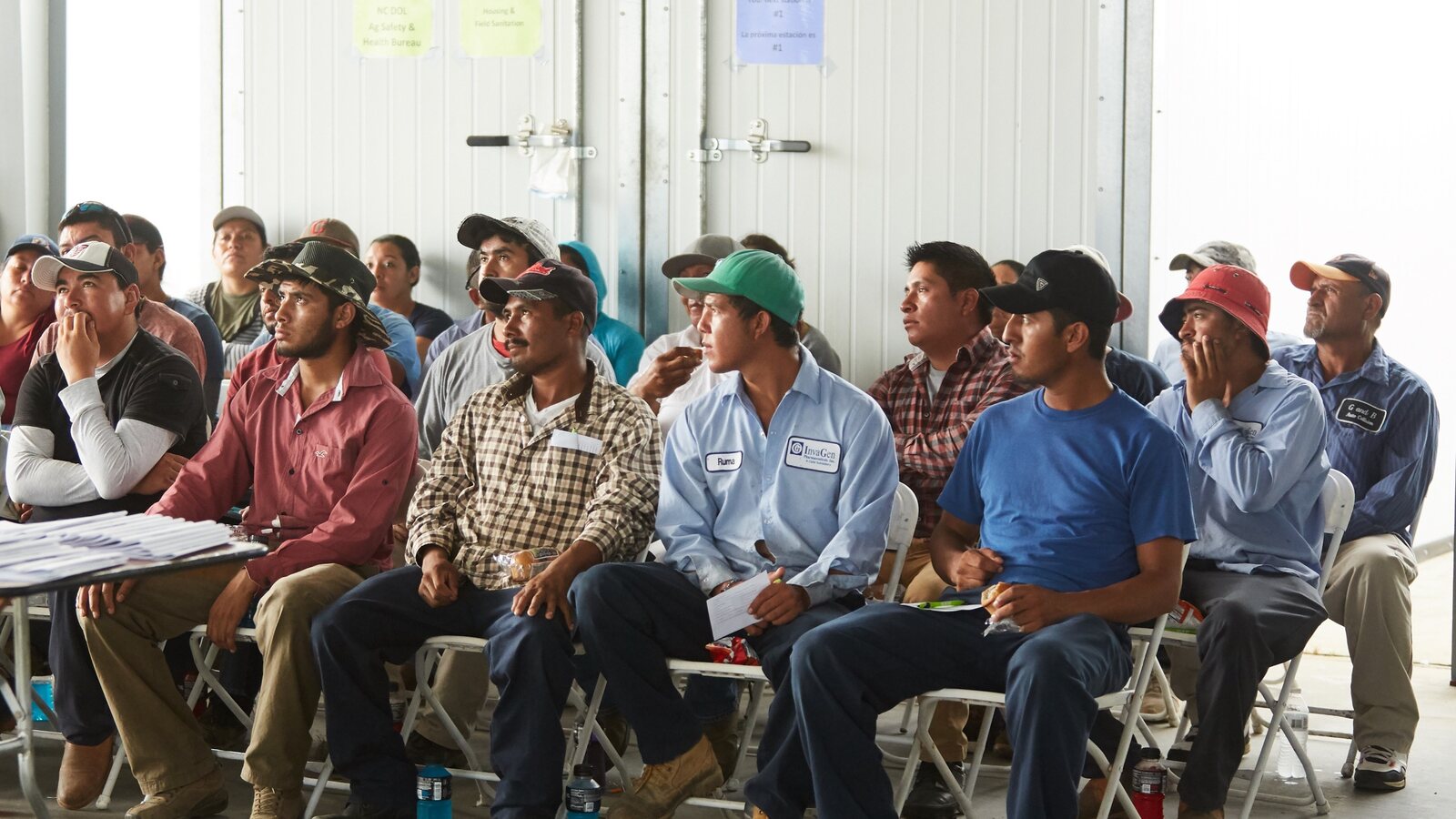
The Weight of the First Shift
In the agricultural sector, the reality of the work is physically demanding and mentally taxing. Whether it is a sprawling dairy operation, a high-tech greenhouse, or a multi-hectare fruit orchard, the environment is intense. Employee turnover is an ongoing battle for farm managers and owners. Many new hires make a silent decision about their future at the farm within the first twenty-four hours. Will they stay for the entire harvest season, or will they pack their bags by Friday? The first day is not merely about getting another set of hands in the dirt; it is a critical window for setting the culture, demonstrating mutual respect, and securing long-term loyalty.
Too often, farm onboarding is rushed. A worker arrives, is handed a pair of gloves, and is immediately pointed toward a field or a barn. This sink-or-swim approach breeds confusion, increases the risk of accidents, and makes the worker feel like an expendable cog rather than a valued team member. A well-organized first day, on the other hand, builds a foundation of trust. When you invest time in properly introducing a new employee to their environment, you are directly investing in the efficiency and harmony of your entire operation. Workers often arrive from different regions or countries, carrying the stress of relocation and language barriers. A structured, compassionate start reduces this anxiety dramatically.
Before They Arrive: Preparation is Everything
A successful first day actually begins long before the new employee steps onto the property. Preparation prevents the chaotic mornings that leave new hires feeling like an inconvenience. Start with the administrative essentials. Have all necessary contracts, tax forms, and payroll documents printed, organized, and ready to be signed. If the worker is a migrant or an expat, ensure that you have clear instructions regarding their visa stipulations and housing arrangements. Confusion over pay or legal status is the fastest way to lose a worker's trust.
Next, consider the physical necessities. Make a comprehensive checklist of items to prepare before the morning of their arrival:
- Digital and Physical Access: If your farm uses time-tracking apps or digital gate codes, set up their accounts in advance. Have their physical keys or entry fobs ready.
- Work Gear: Are their work clothes, heavy-duty boots, and personal protective equipment properly sized, clean, and ready for use?
- Accommodation: If you provide on-farm housing, is the room clean, heated, and equipped with basic necessities like clean bedding, a functioning shower, and cooking utensils?
- Clear Communication: Send them a message a few days prior detailing exactly where they need to go on their first morning, what time they should arrive, who they should ask for, and what they need to bring.
Do not wait until they arrive to rummage through a dusty shed looking for a pair of safety goggles. Ambiguity is the enemy of a smooth start. Everything should be waiting for them, demonstrating that you value their presence and respect their time.
The Arrival and the Human Welcome
When the new employee arrives, the priority is human connection. Agriculture is an industry driven by people, and a cold reception sets a bleak tone. The farm owner, the direct supervisor, or a dedicated human resources manager should be there to greet them personally. Use their name, offer a firm handshake, and provide a warm welcome. Simple logistical details matter immensely at this stage. Show them exactly where to park their vehicle, where to store their lunchbox so it stays cool, and where the restrooms are located. If there are farm dogs, introduce them properly so the worker feels secure navigating the yard.
Sit down together for a brief orientation before any physical work begins. Discuss the history of the farm, the core crops or livestock you handle, and the broader goals for the season. This is the moment to explain the working culture. If your farm values open communication and asking questions, explicitly state this. Many workers might be hesitant to speak up for fear of looking incompetent. Make it abundantly clear that questions are not just tolerated, but expected and encouraged. A simple gesture, like offering a cup of coffee or tea in the breakroom, goes a long way in breaking the ice and easing those first-day nerves.
Safety First: The Non-Negotiable Tour
Farms are inherently dangerous environments. From heavy machinery and unpredictable livestock to chemical storage and uneven terrain, the risks are omnipresent. A comprehensive safety tour is absolutely non-negotiable on the first day. Walk the grounds with the new hire. Point out the specific hazards of your operation. If they will be working near tractors, explain the blind spots and the strict rules regarding power take-off shafts and moving parts.
During the tour, be sure to highlight the following critical locations and protocols:
- Emergency Equipment: Show them exactly where the first aid kits, fire extinguishers, and eye-wash stations are located.
- Evacuation Routes: Point out the emergency exits in the barns, packing houses, or greenhouses.
- Hazard Zones: Clearly mark areas where unauthorized personnel are not allowed, such as pesticide storage cabinets or manure pits.
- Biosecurity and Hygiene: Demonstrate the proper use of boot-washing stations, the rules for entering sterile greenhouse environments, and hygiene protocols for livestock areas to prevent zoonotic diseases.
Explain the protocols for extreme weather, whether it is finding shelter during a sudden lightning storm or recognizing the signs of heat exhaustion during the mid-summer harvest. Do not rely on a generic safety video. Walk the actual paths they will walk. A worker who understands that safety protocols are in place to protect their life will be significantly more compliant and confident.
The Buddy System: Assigning a Mentor
One of the most effective strategies for farm onboarding is the buddy system. Pair the new hire with an experienced, patient, and reliable veteran worker. This mentor becomes the newcomer's immediate point of reference for the day. Instead of constantly looking for the busy farm manager to ask a simple question about where to find extra baling twine, the new employee can turn to their buddy.
The chosen mentor should be someone who embodies the work ethic and attitude you want to promote. Avoid pairing new hires with cynical or disgruntled workers, as negativity is highly contagious. The mentor can help translate the unspoken rules of the farm. For migrant workers, pairing them with a bilingual buddy who understands both the local management style and the worker's native language is a game-changer. This bridges the cultural gap and ensures that nuanced instructions are not lost in translation. This peer-to-peer connection drastically reduces the isolation that many new farm workers feel and accelerates their integration into the broader team dynamics.
Task Demonstration: Show, Don't Just Tell
When it is finally time to begin the actual work, the approach to training is critical. Never assume that a worker knows how to perform a task to your specific standards, even if they have years of experience on other farms. Every agricultural operation has its own quirks, preferred methods, and quality benchmarks. The training must follow a structured, patient progression:
- Explain the Why: Before touching a tool, explain the purpose of the task and why it is done a certain way to ensure crop health, animal welfare, or machinery longevity.
- Demonstrate Slowly: Perform the action yourself, emphasizing proper ergonomics, grip, and safety measures to prevent repetitive strain injuries.
- Observe and Correct: Have the worker perform the task while you watch. Correct any mistakes immediately and gently, focusing entirely on technique over speed.
For example, if the job involves pruning vines, explain why the cut is made at a specific angle to prevent disease and water pooling. Emphasize quality over speed on the first day. Speed will naturally develop as muscle memory takes over, but a foundation of poor technique will only lead to damaged crops and potential injuries down the line. In a dairy operation, demonstrate the exact protocol for prepping a cow for the milking parlor, emphasizing the calm demeanor required around large animals. Patience here pays immense dividends later.
The Mid-Day Check-In
The lunch break is a vital checkpoint. Do not let the new worker eat alone in their car. Encourage them to join the rest of the crew in the break room or the designated shaded resting area. This informal setting is where authentic team bonding happens. As a manager or owner, take five minutes during or immediately after the break to check in with them privately away from the larger group.
Ask direct but open-ended questions. How are your boots feeling? or Are you experiencing any pain in your lower back or wrists? Ask about hydration and sun exposure. Have you found the cold water stations? This mid-day intervention allows you to catch minor issues before they become major problems. If they are struggling with a specific heavy tool, you can replace it. If they are feeling overwhelmed by the physical exertion, you might assign them a slightly less demanding task for the afternoon. Showing that you care about their physical well-being midway through the hardest part of the day reinforces your commitment to them as a person, not just a unit of labor.
Wrapping Up: The End-of-Day Review
The final hour of the first shift is just as important as the first. Do not let the new employee quietly slip away to their car at the end of the day. Stop them before they leave for a brief, structured review. This is the time to gather their tools, show them the proper cleaning and storage procedures, and ensure their workspace is left orderly. Go through the end-of-day protocols: washing down the harvest knives, plugging in the radios to charge, or submitting their digital timesheet.
Sit down with them for a few minutes. Ask them what they found most challenging and what they enjoyed or found interesting. Provide immediate positive reinforcement; highlight at least two things they did exceptionally well, even if it was just maintaining a positive attitude, asking good questions, or following safety instructions perfectly. Clearly outline the plan for the next day. Tell them exactly what time they need to be there, what tasks they will likely be tackling, and who they will be working with. Removing the uncertainty about tomorrow ensures they can go home, rest properly, and return with confidence rather than anxiety.
Building a Foundation for the Season
Organizing a comprehensive first day requires time, patience, and resources. It might seem easier to just hand out assignments and hope for the best, but the modern agricultural industry can no longer afford the high costs, both financial and emotional, of rapid employee turnover. By structuring the arrival, prioritizing safety without compromise, utilizing the buddy system, and providing continuous, constructive feedback, you transform a daunting first shift into a welcoming, highly professional experience.
This approach does more than just train a worker to perform a physical task; it builds a resilient, dedicated workforce. Employees who feel valued, physically safe, and clearly directed from minute one are far more likely to weather the inevitably tough days, push through the peak harvest exhaustion, and return to your farm season after season. The first day is your absolute best opportunity to show them that they made the right choice in joining your agricultural team.