
Inside the Harvest: How the Job Actually Works and What Really Drives Your Earnings
The Athletic Reality of the Harvest
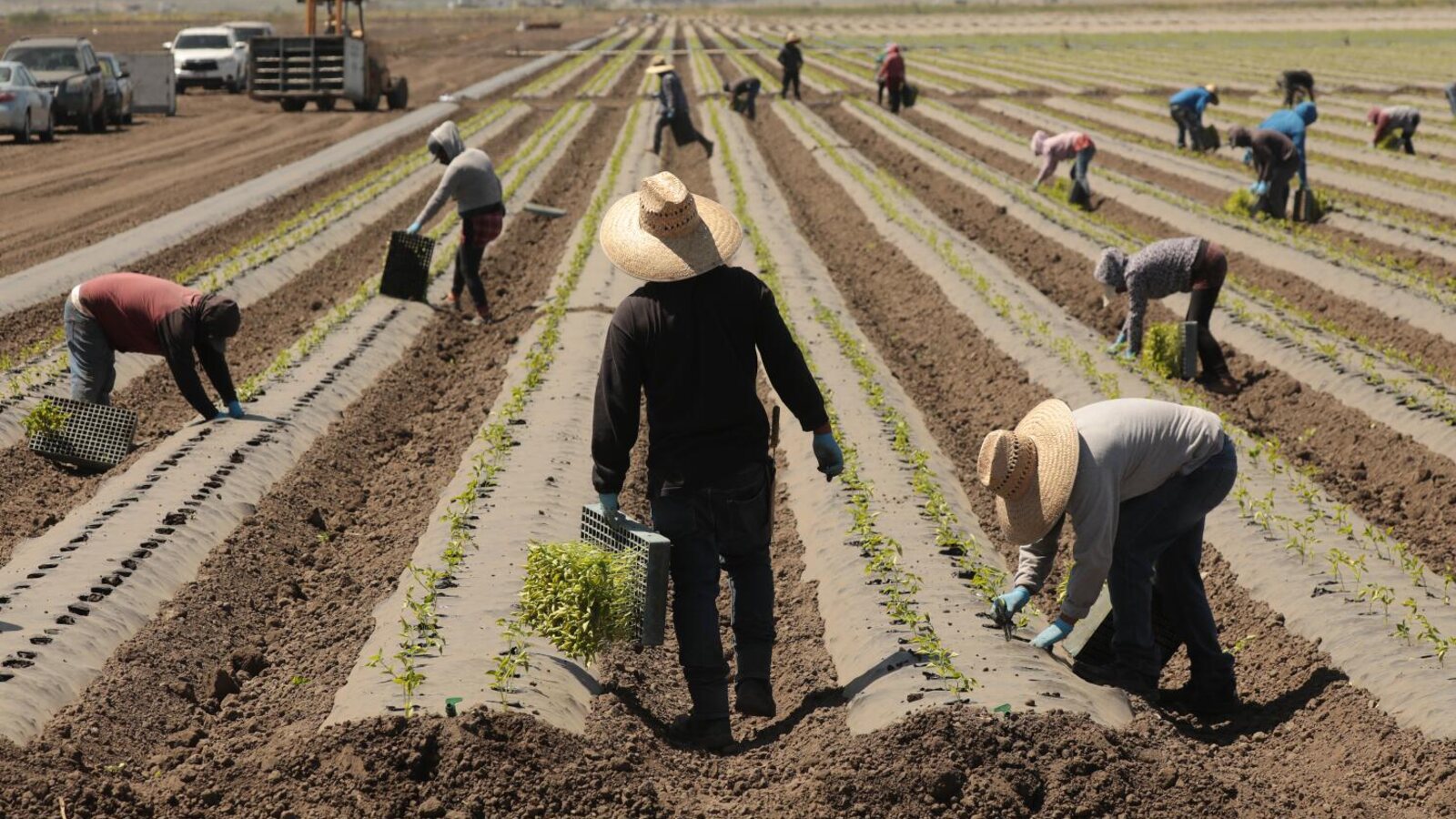
For many outside the agricultural sector, the role of a harvest worker is often mistakenly viewed as simple, unskilled labor. The reality on the ground is vastly different. Seasonal harvest work is an intense, physically demanding profession that shares more in common with endurance sports than with casual outdoor work. Across the farms of Europe, from the vast berry tunnels of the United Kingdom and Spain to the steep vineyards of Germany and the endless apple orchards of Poland, the harvest is a highly orchestrated logistical operation. Success in this field requires not only physical stamina but also a strategic mindset. Workers must learn to optimize their movements, manage their energy reserves over long months, and adapt instantly to changing field conditions. This comprehensive guide explores the inner workings of the harvest, detailing the factors that separate the average earner from the top performer.
Every movement in the field translates directly to time, and in the harvest, time is undeniably money. The most successful workers do not simply rush; they develop a rhythmic, almost meditative flow that eliminates wasted motion. They understand that a fraction of a second saved on picking a single strawberry, multiplied by tens of thousands of berries over a season, results in a significantly higher paycheck. Beyond the physical mechanics, harvest work demands immense mental resilience. Waking up before dawn, facing the elements, and pushing through inevitable muscle fatigue requires a specific kind of dedication. Employers heavily rely on this dedication, and those who master the mental and physical demands of the job are often invited back year after year, forming the backbone of the European agricultural workforce.
Understanding How You Get Paid: Hourly Wages vs. Piece Rates
The compensation structure in agricultural work is the single biggest factor influencing how a worker approaches their day. Generally, farms operate on either an hourly wage system, a piece-rate system, or a hybrid of both. An hourly wage guarantees a fixed income for the time spent in the field, providing financial stability and predictability. This system is often employed when the crop requires extremely delicate handling, during the very beginning or end of a season when yields are low, or for tasks like weeding and planting. However, the hourly wage system naturally caps your earning potential. No matter how fast or skilled you become, your daily income remains exactly the same as the person working at a baseline pace next to you.
The piece-rate system, on the other hand, is where true agricultural professionals maximize their income. Under a piece rate, you are paid based strictly on the volume or weight of the crop you harvest. Every punnet of raspberries, every crate of apples, and every kilogram of asparagus directly increases your daily earnings. Most European countries mandate a legal minimum wage, meaning that even on a piece rate, if your harvest volume falls short, the farm must legally make up the difference to reach the minimum hourly threshold. However, the goal of any seasoned harvest worker is to smash past this minimum baseline. Working effectively on a piece rate requires a deep understanding of pacing. Beginners often sprint in the first two hours, only to collapse from exhaustion by midday. Veterans maintain a brisk, unbroken rhythm from sunrise to sunset, understanding that consistency yields the highest financial reward. The piece rate transforms the field into a meritocracy: your focus, technique, and stamina dictate your paycheck.
How the Crop Dictates Your Rhythm and Income
No two crops are identical, and transferring from one harvest to another often requires learning an entirely new set of physical mechanics and strategies. The type of crop you are assigned to fundamentally shapes your daily routine, the specific muscles you will strain, and the strategies you must use to maintain a profitable speed.
- Asparagus: Harvesting white asparagus is notoriously one of the most grueling agricultural tasks. It requires constant stooping, probing the soil blindly with fingers to find the spear, cutting it at the precise depth with a specialized knife, and smoothing the soil back over the mound. The work is heavy, muddy, and incredibly taxing on the lower back and knees. Earnings depend on mastering the swift, precise cut without snapping the brittle spears.
- Strawberries and Soft Fruit: Berry harvesting often takes place in polytunnels. While tabletop strawberries save the lower back, they require rapid hand-eye coordination. You must select ripe berries, snap the stems without touching the delicate fruit flesh, and sort them into different punnets based on size and quality—all simultaneously. You will often push heavy trolleys down the rows, meaning upper body strength is also required. The heat inside tunnels can be oppressive, making early morning hours the most lucrative.
- Apples and Pears: Orchard work moves the physical strain to the shoulders and legs. Workers wear kangaroo-style picking bags that can weigh heavily on the chest and back. Navigating ladders quickly and safely, while ensuring the fruit is carefully placed rather than dropped into the bag to prevent bruising, is the core challenge. A bruised apple loses its premium value, and farms strictly monitor picking techniques.
- Grapes: The wine harvest often takes place on steep, uneven terrain. The pace is incredibly fast, dictated by the tractor moving down the rows. Snipping grape bunches hidden behind leaves requires sharp secateurs and even sharper focus to avoid cutting your own fingers. The team moves as a single unit, and falling behind is not an option.
The Harvester's Dilemma: Balancing Speed and Quality
A common misconception among first-time piece-rate workers is that speed is the only metric that matters. In reality, speed without quality will quickly lead to warnings, loss of piece-rate privileges, or even dismissal. Supermarkets and distributors impose draconian quality standards on farms, and these standards roll downhill directly to the harvest worker. A single bad strawberry can cause a whole pallet to be rejected by a buyer, resulting in massive financial losses for the grower.
This creates the harvester's dilemma: how to move fast enough to earn a high wage, while being meticulous enough to pass the quality controllers. Quality controllers, often called checkers or supervisors, roam the fields inspecting the harvested produce. They look for under-ripe fruit, over-ripe or rotting fruit, mechanical damage caused by rough handling, and stems left too long. The best workers develop a secondary sense for quality. They sort the fruit mentally before their hand even reaches the plant. They learn exactly how much pressure to apply to an apple, or how to visually scan a strawberry plant in a fraction of a second. Earning the trust of your supervisor by consistently delivering high-quality produce means you will be assigned to the best fields with the heaviest crop loads, directly boosting your earnings.
Weather, Terrain, and Unpredictable Factors
Even with perfect technique, a harvest worker's income is at the mercy of the natural environment. Agriculture is an open-air factory, and the weather is the ultimate manager. A sudden cold snap can halt the ripening of berries, turning a highly profitable piece-rate week into a struggle to meet the minimum wage. Prolonged droughts can result in smaller fruit, meaning it takes significantly more picking motions to fill a crate and earn the same amount of money. Conversely, a perfectly timed mix of rain and sunshine can lead to a flush of fruit, creating a brief, intense window where earnings can skyrocket.
Working conditions also drastically affect your pace. Heavy rain turns soil into thick mud that clings to boots, making every step cost double the energy. Wet foliage slows down the hands and makes finding the crop difficult. Morning dew means you start the day soaked to the skin, while the midday sun can bring dangerous heat exhaustion. Furthermore, the terrain of the specific field matters. Picking on a flat, well-maintained field is drastically faster than navigating rocky, overgrown, or steep hillsides. Experienced workers know that they must maximize their speed on good days to financially cushion the inevitable bad days caused by weather and poor field conditions.
Physical Preparation and Sustaining Stamina
You cannot step from a sedentary lifestyle into a harvest field and expect to perform well. The physical shock to the body during the first two weeks of a season is profound. Hands cramp, wrists swell, and the lower back aches constantly. Long-term seasonal workers treat their bodies like tools that require maintenance and preparation. Arriving at the farm with a baseline of physical fitness—particularly core strength, cardiovascular endurance, and flexibility—can dramatically shorten the painful adjustment period.
Once the season begins, sustaining stamina becomes the primary focus. This involves practical ergonomics: learning to bend from the knees rather than the waist, keeping the load close to the body, and changing hand positions to avoid repetitive strain injuries. Pain management is a daily reality. Workers rely on stretching routines before and after shifts, proper hydration, and anti-inflammatory measures to keep moving. Ignoring minor pains often leads to severe injuries that can end a season prematurely, wiping out expected earnings. The most profitable workers are those who can stay healthy and remain in the field every single day of the harvest.
Camp Life: Housing, Recovery, and Nutrition
The work day does not end when you leave the field; it merely transitions into the recovery phase. Most seasonal harvest workers live in farm-provided accommodations, which can range from modern dormitory buildings to temporary caravan parks. The quality of your camp life heavily influences your field performance. Sharing a small living space with multiple coworkers from diverse backgrounds requires patience, respect, and good communication. A harmonious cabin environment allows for better rest, while constant friction drains mental energy.
Nutrition is the fuel that drives the piece rate. Relying on cheap, processed foods or energy drinks leads to sugar crashes and muscle fatigue. Workers who cook hearty, protein-rich meals and consume complex carbohydrates maintain a steady energy supply throughout the grueling ten-hour shifts. Sleep is equally critical. In the peak of the summer harvest, nights are short, and the noise of a busy camp can disrupt rest. Using earplugs, maintaining a strict sleep schedule, and prioritizing recovery over late-night socializing are the hallmarks of a professional harvester who is serious about maximizing their income.
Team Dynamics, Foremen, and Field Morale
While piece-rate picking is essentially an individual pursuit, the broader team dynamic plays a crucial role in the daily experience. You are working shoulder-to-shoulder with people from all over Europe and the world. A supportive team can make a grueling, rain-soaked day bearable through shared humor and camaraderie. Conversely, a highly competitive and toxic environment can make the work miserable. A smart foreman knows when to rotate workers so that everyone gets a fair chance at the highly productive rows.
The relationship with your foreman or field supervisor is perhaps the most critical dynamic. The foreman controls which row you pick, when you take breaks, and how strictly quality rules are enforced. Building a respectful, professional relationship with your supervisors by being reliable, punctual, and low-maintenance pays dividends. Foremen notice who steps up when the work is hard and who complains when the yield is low. Being recognized as a dependable worker often leads to better field assignments, fewer excessive quality checks, and invitations to return for future seasons in elevated roles, such as quality controller or tractor driver, which offer better pay and conditions.
Securing Your Position for Future Seasons
Ultimately, a successful stint as a harvest worker is about more than just surviving a single season; it is about building a reputation. Farms are businesses that value reliability above almost all else. A worker who consistently hits above-average picking speeds, maintains excellent quality, causes no trouble in the camp, and respects the management will always have a job waiting for them. By understanding the intricate balance of speed, quality, physical maintenance, and team dynamics, agricultural workers can turn a demanding seasonal job into a highly profitable and reliable source of income.