
How to Screen Farm Candidates Quickly Without Losing Strong People
Agriculture does not wait for a perfect hiring process. Crops mature, livestock require daily care, and machinery breaks down on its own schedule. When a critical role opens up on a farm or agribusiness, the instinct is often to hire the first person who shows up with a pair of boots. Conversely, some managers hold out for a flawless candidate who never arrives, leaving the current crew overworked and morale depleted. The secret to modern agricultural recruitment lies in the middle: screening candidates with ruthless efficiency without making the process so abrasive or slow that the best people walk away.
The Hiring Bottleneck in Agriculture
Finding the right people for agricultural work has never been simple. The work is physically demanding, weather-dependent, and increasingly requires a high degree of technical literacy. You are no longer just looking for someone who can lift a fifty-pound sack; you are looking for someone who can calibrate a GPS-guided tractor, manage an automated milking parlor, or meticulously record pesticide applications. The traditional hiring process—collecting resumes for a month, conducting multiple rounds of leisurely interviews, and checking references over weeks—is fundamentally broken for this sector. Good candidates are snatched up in days. If your screening process takes weeks, you are only interviewing the people nobody else wanted.
Defining the Core Needs: Reality vs. Wishlist
Before you even post an advertisement or spread the word through local networks, you must clearly distinguish between what is absolutely necessary and what can be taught. Many employers lose strong candidates immediately because their job descriptions read like a wish list for a superhero. If you demand ten years of specific crop experience, fluency in two languages, and a master mechanic's certification for a mid-level tractor operator role, you will get zero applicants. Identify the absolute non-negotiables. Must they have a specific commercial driver's license? Must they be able to lift a certain weight safely? Must they have experience with specific herd management software? Everything else is a bonus. By narrowing your filters at the top of the funnel, you invite capable people who have the core aptitude to learn your specific farm's systems.
The First Filter: Quick Phone Screening
Do not wait to schedule formal sit-down interviews. When a promising application comes in, pick up the phone. A five- to ten-minute phone call within 24 hours of receiving an application is your most powerful tool. This call is not a full interview; it is a basic filter to check alignment on deal-breakers. Ask direct questions: Are you comfortable with the physical demands and early hours? What is your timeline for starting? Can you reliably commute to the farm? Pay attention to how they communicate. Are they clear, respectful, and genuinely interested? If they cannot maintain a basic, polite conversation over the phone, they will likely struggle to communicate effectively during a stressful harvest afternoon. This rapid response also signals to the candidate that your operation is organized and respects their time.
Structured Interviews for Field and Farm
If the phone screen goes well, bring them to the farm. But leave the generic corporate interview questions behind. Asking a herdsman "Where do you see yourself in five years?" is far less useful than asking, "Walk me through exactly what you do when you notice a calf isolating itself from the group." Use a structured interview format. This means asking every candidate for the same role the exact same set of core questions. This eliminates unconscious bias and allows you to compare candidates objectively. Focus on behavioral and situational questions. Ask them to describe a time machinery broke down in the middle of a critical task and how they handled it. Listen for their problem-solving process. Did they panic? Did they try to fix it themselves, or did they immediately call for help? The goal is to uncover their practical judgment, not their ability to deliver a rehearsed speech.
Practical Evidence: Show, Don't Tell
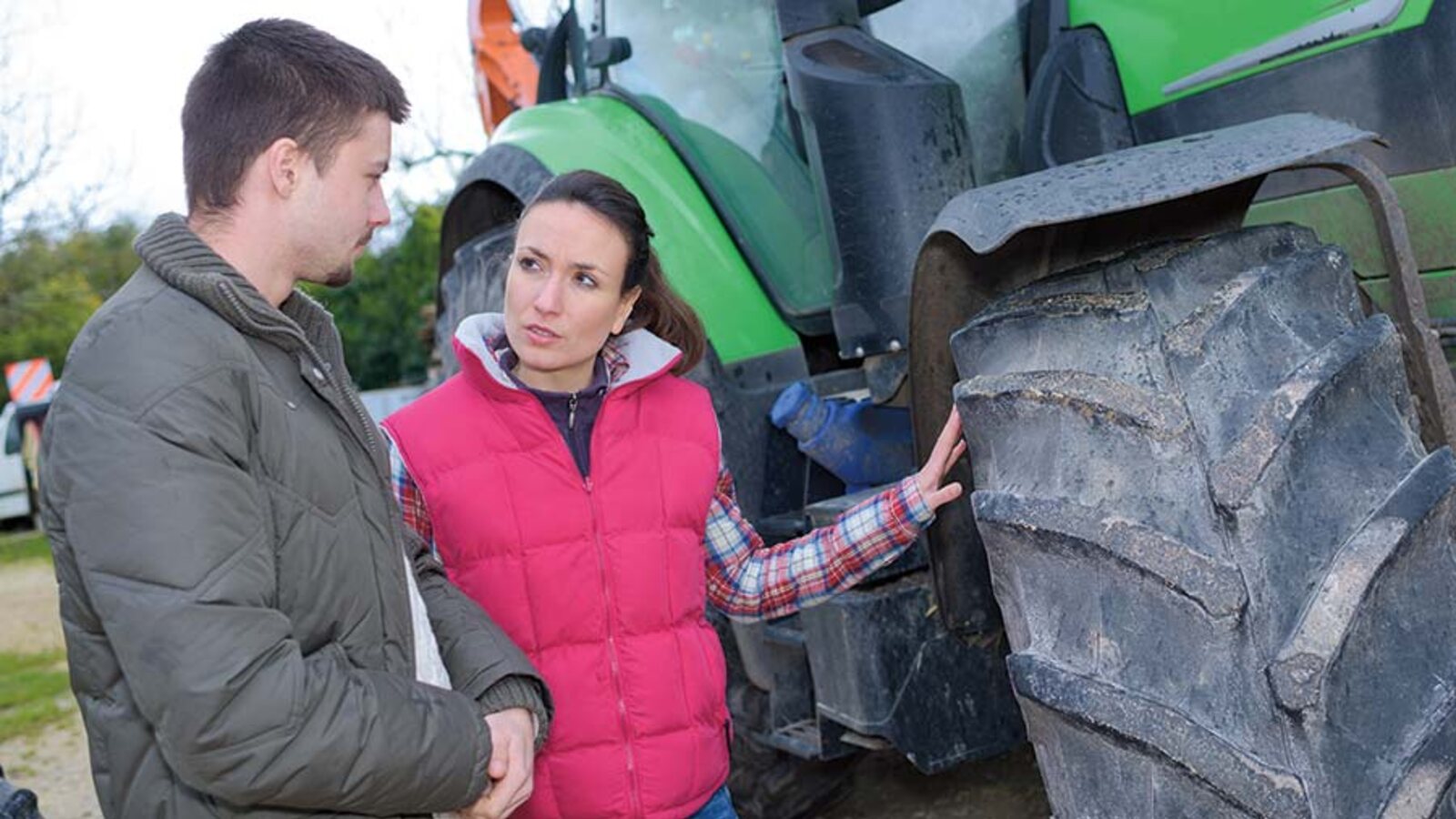
A polished resume means very little in the dirt. The most effective way to screen agricultural candidates is to ask them to demonstrate their skills. If you are hiring a tractor operator, have them perform a basic pre-operation inspection on a machine. Watch how they check the fluids, look at the tires, and handle the cab controls. You are not necessarily looking for them to be an expert on your exact model; you are looking for a baseline level of respect for heavy machinery and a methodical approach to safety. If you are hiring for a livestock role, walk them through the barns. Observe how they move around the animals. Do they move calmly, or do they spook the stock? Do they notice the automatic waterer that has a slight leak? These practical tests, even if they only last twenty minutes, reveal more about a candidate's competence than hours of conversation.
Reading References and Spotting Red Flags
Reference checks are notoriously tricky. Former employers are often hesitant to say anything negative due to legal concerns, or they might give a glowing review just to get a problematic employee off their hands. To get real value, ask highly specific, closed-ended questions. Instead of asking, "Was John a good worker?" ask, "Would you trust John to operate your combine during a rain delay?" or "Did John consistently show up on time for the morning milking shift?" Listen to the pauses. Hesitation often speaks louder than the words themselves. Additionally, be vigilant for red flags during the entire screening process. Look out for candidates who speak excessively poorly of their former farm managers, those who are vague about why they left previous jobs, or those who demonstrate a cavalier attitude toward farm safety protocols. In agriculture, a poor safety attitude is an absolute deal-breaker.
Respectful Communication as a Filtering Tool
The way you treat candidates during the screening process is a filter in itself. The best agricultural workers—the ones who are reliable, skilled, and possess strong problem-solving abilities—know their worth. If you are disorganized, if you cancel interviews at the last minute without a good reason, or if you speak to them condescendingly, they will simply take a job at the farm down the road. High-quality candidates are evaluating you just as strictly as you are evaluating them. Treat every interaction with professionalism. Provide clear directions to the farm, explain the hiring timeline transparently, and follow up when you say you will. This level of respect attracts professionals and repels those who are accustomed to chaotic, poorly managed environments.
Speed of Decision: Closing the Deal
Once you have identified a strong candidate who meets your core requirements, demonstrates practical competence, and fits your farm's culture, do not hesitate. The biggest mistake farm managers make is saying, "Let's wait another week to see who else applies." In that week, your top candidate will be hired by your competitor. Make an offer quickly. Be prepared to discuss compensation, housing arrangements if applicable, and benefits immediately. A fast, fair offer shows decisiveness and enthusiasm, which are highly attractive qualities in an employer. Even if you are waiting on a background check, you can make an offer contingent on those results. Speed is your competitive advantage.
Building a Reliable Screening System
Screening candidates quickly without losing quality is not about cutting corners; it is about cutting the fat. By focusing strictly on what matters—core competencies, practical problem-solving, and cultural fit—and moving with deliberate speed, you can build a reliable team. It requires shifting from a passive "wait and see" approach to an active, structured, and highly respectful process. When your farm is known not only for producing quality agricultural products but also for being a professional, decisive, and fair employer, you will naturally attract the strong people you need to thrive in a demanding industry.