
Dairy Farm Jobs: What Beginners Should Know Before Day One
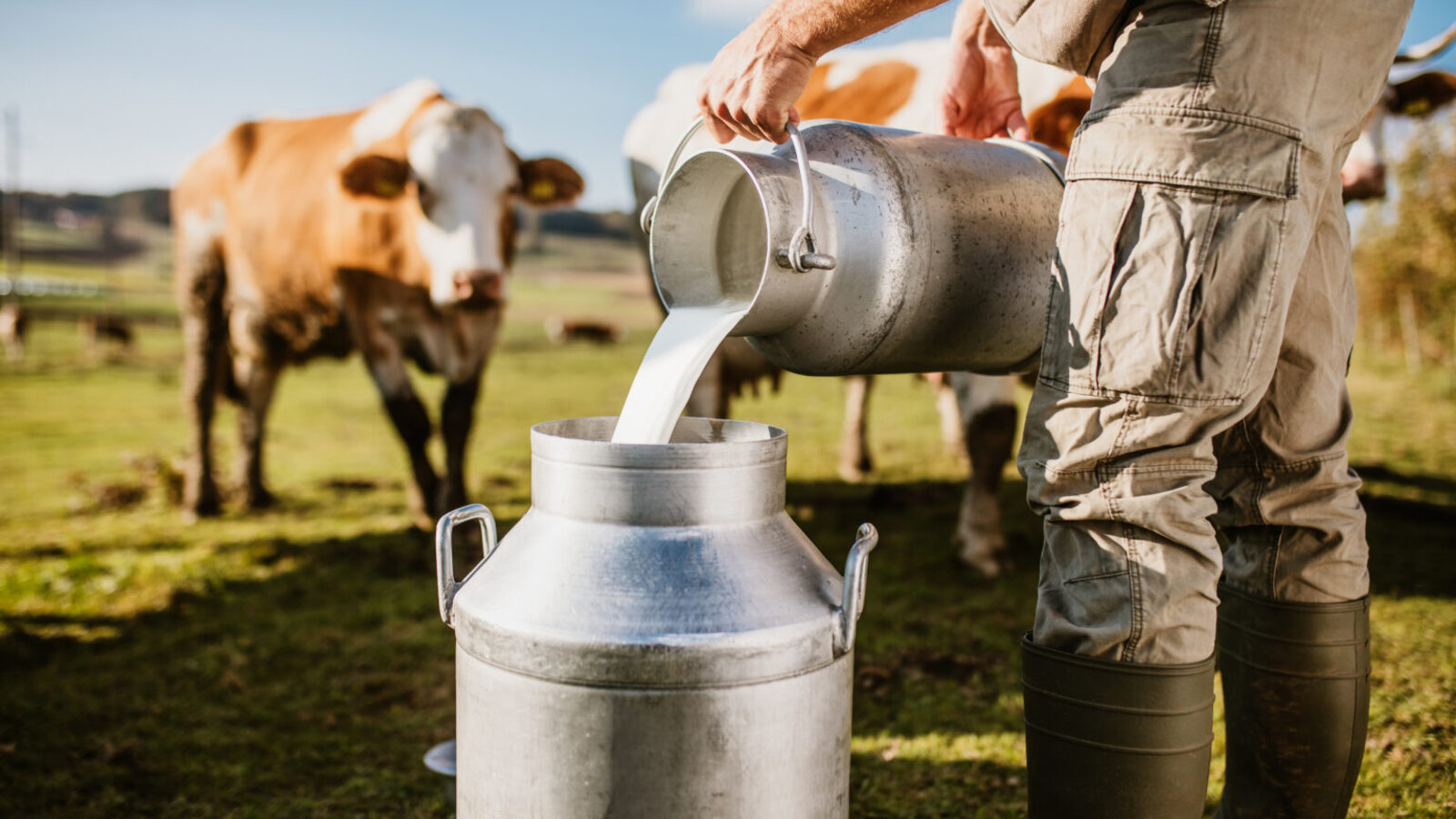
Stepping onto a modern European dairy farm for the first time is an absolute sensory overload. The low, continuous hum of vacuum pumps, the distinct smell of fresh silage mixed with manure, and the sheer size of the animals can be overwhelming. If you have accepted a job as a farm hand, milker, or herd assistant, you are stepping into a demanding, essential, and ultimately rewarding sector of agriculture. However, enthusiasm alone will not carry you through a twelve-hour shift. Success requires immense physical resilience, mental preparation, and a deep understanding of what the daily routine actually entails.
Many beginners enter the industry with romanticized ideas about working outdoors with animals. While those moments exist, modern dairy farming is a fast-paced, highly structured industrial operation. You will be managing living creatures while operating heavy machinery, maintaining strict food safety standards, and working against the clock. This guide will walk you through exactly what you need to know to survive and thrive during your first few months on the farm.
The Reality of the Early Shift
Dairy farming operates entirely on the biological schedule of the cows, not yours. Many farms run on a twice or even thrice-daily milking routine, which means your day will often begin long before the sun comes up. Morning shifts frequently start around 3:30 or 4:00 AM. This is not merely about waking up early; it is about completely restructuring your lifestyle and circadian rhythm.
When you start a job on a dairy farm, the most jarring adjustment is the sleep schedule. You cannot stay up late socializing and expect to function safely around heavy machinery and one-ton animals the next morning. Your evening routine must shift drastically. Proper nutrition, hydration, and a strict, early bedtime are your best tools for surviving the first month. Over time, your body will adapt. Many experienced farm workers find that the quiet, solitary drive to the farm under a starlit sky, followed by a hot cup of coffee in the breakroom, becomes one of the most peaceful parts of their day.
Inside the Milking Parlor: A Step-by-Step Routine
The milking parlor is the beating heart of any dairy operation. Whether the farm uses a herringbone, parallel, or rotary parlor system, the core principles of milk harvesting remain the same. The process is highly standardized, and as a beginner, your primary task will be to learn the rhythm of the parlor and execute every step flawlessly.
A typical routine involves several critical, time-sensitive steps. First, the cows are gently guided into their stalls. You will then clean and stimulate the teats, often using a pre-dip solution, and dry them thoroughly with individual clean towels to prevent cross-contamination. Next, you will attach the milking cluster. Timing is everything here; attaching the cluster within sixty to ninety seconds of the initial physical stimulation ensures optimal milk let-down. Finally, once the machine automatically detaches, you will apply a protective post-dip solution to seal the teat canal and protect the cow from environmental bacteria.
You will repeat this exact sequence hundreds of times per shift. It demands intense focus, efficiency, and a calm demeanor. Cows are highly sensitive to stress, shouting, and rushed movements. A chaotic parlor leads to stressed animals, which directly reduces milk flow and increases the time everyone spends working.
Hygiene and Biosecurity: Protecting the Herd
A dairy farm produces a raw food product destined for human consumption, which means the milking parlor is essentially a high-stakes food processing facility. Hygiene is not just about keeping the environment looking tidy; it is a matter of animal welfare, public health, and farm profitability. Mastitis, an infection of the udder, is one of the most painful and costly diseases on a dairy farm, and it is most frequently spread through poor hygiene practices by milkers.
- Clean Hands and Gloves: Always wear the provided nitrile gloves. Wash or disinfect your gloved hands frequently during your shift, especially after handling a cow with a known infection.
- Equipment Sanitation: You will learn the correct procedures for hosing down the parlor floors and sanitizing the milking clusters. Pay strict attention to these protocols.
- Boot Washing: You will constantly step through footbaths or use boot washing stations when moving between different barns. This prevents the spread of hoof diseases and pathogens across the property.
As a beginner, taking shortcuts with cleaning protocols might seem tempting when you are exhausted at the end of a long shift. Never compromise on hygiene. A clean farm environment means healthy cows, significantly lower veterinary bills, and premium milk quality.
Understanding and Handling the Cows
Holsteins and other typical dairy breeds are massive, powerful creatures that can easily weigh over six hundred kilograms. They are also prey animals by nature, which means their instinct is to flee from sudden movements, loud noises, and unfamiliar situations. Understanding bovine psychology and body language is absolutely crucial for your physical safety and the well-being of the herd.
When moving cows from the freestall barn to the holding pen, patience is your greatest asset. Cows have a very wide field of vision but a blind spot directly behind them. If you approach from their blind spot, you will startle them. Always make your presence known with a calm, low voice. Experienced farmers use the concept of the flight zone, an invisible circle of personal space around the cow. By stepping into the edge of this zone, you apply pressure that encourages the cow to move forward. Stepping back relieves the pressure and slows them down.
Never shout, hit, or violently rush the animals. A stressed cow will not let down her milk properly, making the entire milking process longer and more difficult. Calm, deliberate, and predictable movements are the hallmark of a professional farm worker.
The Physical Toll: Ergonomics and Self-Care
Agriculture is an inherently athletic endeavor. Even on highly mechanized, modern farms, you will spend hours on your feet, mostly standing on hard, unforgiving concrete floors. You will be bending, reaching, squatting, and lifting repetitively. The physical toll on your lower back, knees, wrists, and shoulders can be significant, especially during your first few weeks as your muscles adapt to the new workload.
Investing in high-quality, highly supportive footwear is the most important decision you can make before your first day. Cheap rubber boots will leave your feet aching and your back stiff by noon. Look for professional-grade agricultural polyurethane wellingtons with excellent arch support, steel toes, and slip-resistant soles. Taking care of your skin is equally important; you will be exposed to water, harsh cleaning chemicals, and iodine dips. Use heavy-duty hand creams daily to prevent painful cracking and dermatitis.
Pay strict attention to ergonomics in the parlor. When attaching milking clusters or lifting buckets, try to keep your back as straight as possible and bend at the knees. Do not be afraid to ask experienced colleagues for tips on minimizing physical strain. Ignoring pain in the name of toughness will only lead to long-term injuries.
Safety First: Navigating Farm Hazards
Farms are inherently hazardous industrial environments. Beyond the obvious risk of being stepped on, crushed, or kicked by a large animal, you are constantly surrounded by heavy machinery, toxic chemicals, slippery surfaces, and unpredictable elements. As a newcomer, your situational awareness must be at its peak at all times.
- The Kick Zone: Always be acutely aware of where a cow's back legs are positioned. Most kicks are directed forward and out to the side. Never put your head or torso in a vulnerable position between a cow and a metal gate.
- Machinery Awareness: Tractors, skid steers, and heavy feed wagons are constantly moving around the yard. Make explicit eye contact with operators before crossing their path. Never assume they can see you through dirty windows or in the dark.
- Chemical Handling: You will routinely handle strong acids and alkalis used for cleaning the milking system pipelines. Always wear the provided personal protective equipment, such as safety goggles and heavy-duty aprons, when mixing these chemicals.
If you are ever unsure about how a piece of equipment works or how to handle a specific, dangerous situation, stop immediately and ask for help. Ego and pride have absolutely no place on a farm when your life and physical safety are on the line.
Working Through the Elements
European agriculture means working relentlessly through all four seasons, and the cows do not pause their milk production for bad weather. You will experience the extreme contrasts of farming environments, from freezing, drafty winter mornings to sweltering, humid summer afternoons.
In the winter, the parlor can be bitterly cold, with water hoses freezing and icy floors creating severe slipping hazards. You must learn to layer your clothing effectively, using moisture-wicking base layers to stay dry beneath your waterproof gear. In the summer, heat stress becomes a massive issue for both humans and cows. You will spend hours managing ventilation fans, cleaning water troughs, and ensuring the herd stays cool, all while managing your own hydration.
Working in agriculture means accepting the elements. Having the right gear, from insulated thermal boots to lightweight, breathable summer workwear, will dictate your daily comfort and overall longevity in the job.
Teamwork and Realistic Expectations
While milking can sometimes feel like an isolated, repetitive task, operating a modern dairy farm requires seamless, highly coordinated teamwork. You are part of a relay race. The herdsman, the feeder, the calf rearer, and the milking team all depend entirely on each other. Clear communication during shift handovers is vital. If a cow was slow to milk, kicked off the cluster repeatedly, or showed early signs of illness, you must communicate that information clearly to the next shift or the farm manager.
Set realistic expectations for your first month. You will be slow, you will undoubtedly make mistakes, and you will go home completely exhausted, smelling strongly of manure, sour milk, and iodine. That is entirely normal. Experienced farmers do not expect perfection or blistering speed from a beginner on day one; they expect reliability, punctuality, a genuine willingness to learn, and a positive attitude.
Over time, the chaotic noise becomes a familiar, comforting rhythm. You will start to recognize individual cows by their markings and personalities, anticipate their behavior, and take immense pride in the tangible, visible results of your hard work. Dairy farming is not just a job; for those who embrace its profound challenges, it becomes a deeply rewarding career grounded in the fundamental, essential act of producing high-quality food.