
How to Find Farm Work in Europe and Avoid Weak Job Offers
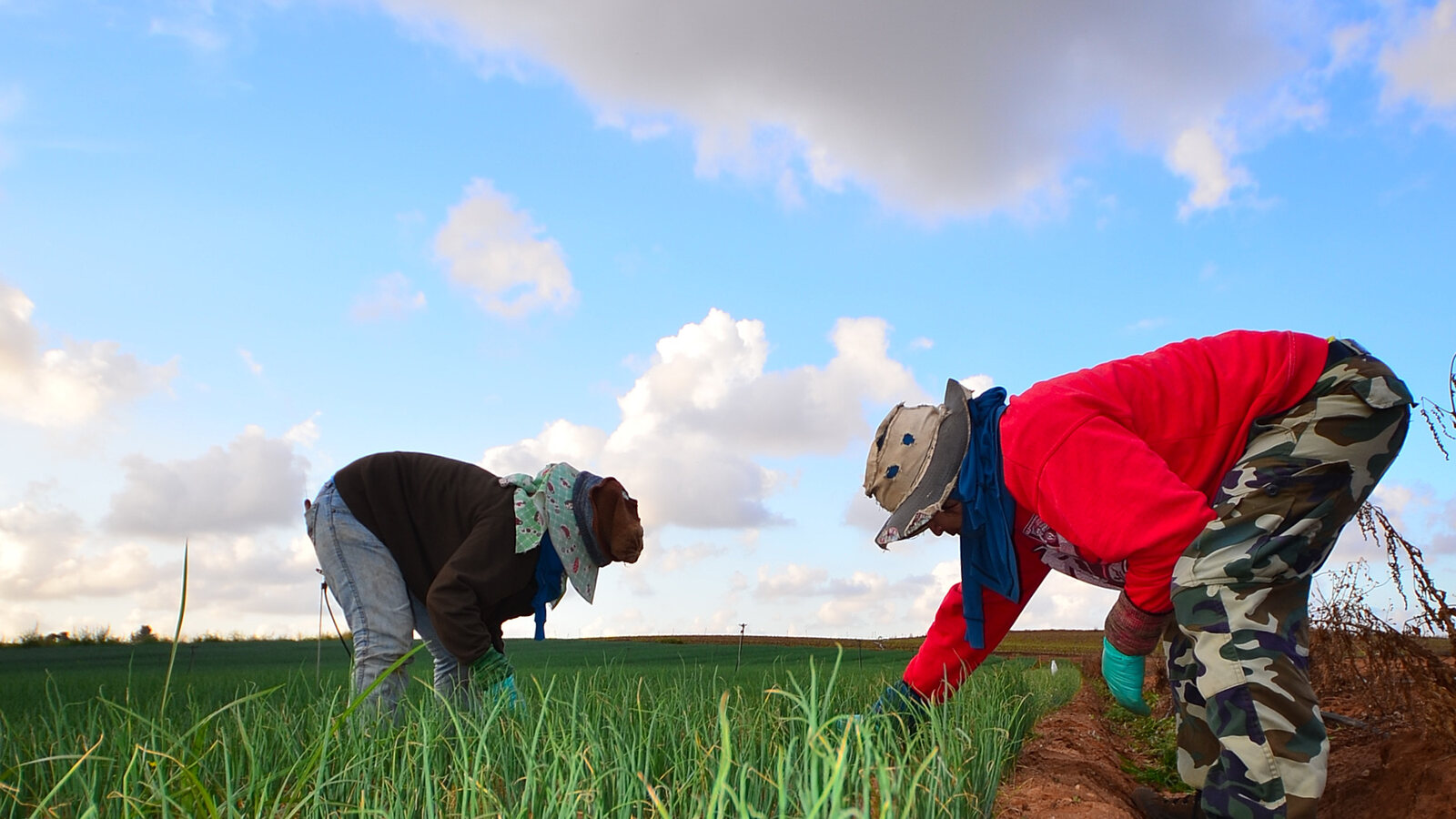
The Harvest Does Not Wait, But Neither Should You
Agriculture in Europe runs on a massive engine of seasonal and permanent labour. Every year, thousands of workers cross borders to pick fruit, drive tractors, milk cows, and manage greenhouse climates. Finding an open vacancy is never the problem; crops will always need hands, and machines will always need operators. The real challenge is finding an offer that respects your time, pays what it promises, and provides a living environment that allows you to recover after a hard day's work.
A poorly chosen farm job can result in weeks of exhaustion, unexpected deductions from your pay, and deep frustration. On the other hand, finding a professional, well-managed farm can lead to reliable earnings, a respectful working atmosphere, and often a standing invitation to return the following season. To separate the worthwhile opportunities from the exploitative ones, you need to approach your job search not with desperation, but with a critical, analytical eye. You must learn to read between the lines of a job description and ask the right questions before you ever pack your bags.
Where Good Farm Jobs Actually Live
The best agricultural jobs are often the quietest. They do not need to shout across social media with excessive exclamation marks or promises of overnight wealth. A farm that treats its workers well usually relies on returning staff. When they do need new people, they ask their current team for recommendations. However, professional farms also use specialized agricultural job boards, industry networks, and reputable recruitment agencies that focus exclusively on farming.
Be cautious of generic classified sites or social media groups where ads are posted from anonymous accounts. A legitimate employer or a serious agency will always be transparent about who they are. They will provide a company name, a verifiable location, and clear contact details. If a job offer relies heavily on urgency—pressuring you to travel tomorrow without giving you time to read a contract—it is almost certainly a trap. Good farms plan their labour needs weeks or months in advance, even if weather sometimes forces last-minute changes.
Decoding the Job Description: What the Words Really Mean
Farm job descriptions can sometimes read like riddles. It is crucial to translate corporate or vague language into the reality of the field. When an ad mentions dynamic work, it usually means your tasks will change daily, and you might be pulled from picking strawberries to cleaning sheds without warning. Flexible working hours rarely means you can choose when to start; in agriculture, it almost always means you will work as long as the weather dictates and the harvest requires, which could mean very early starts or unpredictable finish times.
Look for specificity. A weak job offer says: We need workers for the harvest. A strong job offer says: We are hiring a team of 10 for the apple harvest from mid-August to late October. Work is 6 days a week, starting at 6:00 AM, using harvesting platforms. Specificity shows that the farm manager knows exactly what the operation requires and has organized the season properly. If the employer cannot clearly define your daily duties, the physical demands of the job, and the tools you will be using, they are likely disorganized—and that chaos will inevitably become your problem.
Following the Money: Hourly Wages, Piece Rates, and Deductions
Compensation in agriculture is rarely as simple as a flat monthly salary. You must understand exactly how your earnings will be calculated. If the job offers an hourly wage, verify if it aligns with the legal minimum wage of that specific European country. If it is a piece-rate job—where you are paid per kilogram, box, or row—you need to know the historical average. Ask the employer: What does an average worker harvest in a day? What does a top performer harvest? If they dodge the question, be wary.
Equally important are the deductions. A high gross wage means nothing if the net wage is severely reduced by hidden costs. Ask explicitly about deductions for housing, daily transport to the fields, equipment, and insurance. Some farms provide free workwear, while others will deduct the cost of gloves and boots from your first paycheck. A transparent employer will provide a clear breakdown of gross versus net pay before you agree to the job. Never accept verbal promises regarding money; ensure the payment terms are documented in writing.
The Roof Over Your Head: Why Housing is the Real Dealbreaker
In seasonal agricultural work, housing is often the single biggest variable. A beautiful farm with top-tier machinery means nothing if you have to spend your rest hours in a damp, overcrowded caravan. Living conditions directly impact your stamina, your mood, and your ability to earn money.
When reviewing an offer, do not accept the word accommodation provided at face value. You must ask detailed questions. How many people share a room? Are couples guaranteed a private room? How many workers share one bathroom and one kitchen? Is the internet connection stable enough for video calls home? Is there a washing machine available, and is it free to use? Ask for recent photos of the actual living spaces, not promotional pictures. Furthermore, find out how far the housing is from the farm or the nearest supermarket. If it is completely isolated, you need to know how you will buy groceries and whether the farm provides a weekly transport run.
Spotting the Red Flags Before You Pack Your Bags
Desperation is the enemy of a good decision. Even if you need work quickly, you must learn to recognize the red flags that indicate a toxic workplace. One major warning sign is an employer who refuses to provide a written contract or claims it will be sorted out weeks after you arrive. Another red flag is poor communication during the hiring process. If the farm manager or recruiter takes days to answer basic, polite questions about the job, expect that same level of indifference when you have a problem with your pay or need medical attention.
Beware of employers who ask for upfront fees to secure the job or to arrange your travel. Legitimate farm work pays you; you do not pay for the privilege of working. Additionally, if you find reviews online from former workers describing a culture of shouting, withheld passports, or arbitrary fines for small mistakes, believe them. No amount of promised money is worth surrendering your dignity and safety.
The First Message: How to Introduce Yourself to a Farmer
Farm managers are busy people, especially as the season approaches. They do not have time to read a three-page resume filled with generic buzzwords. When you reach out to apply, your first message should be concise, professional, and highly relevant to the reality of physical work. Start by stating clearly which position you are applying for and your availability dates.
Highlight practical, transferable skills. You do not need twenty years of farming experience, but you do need to prove reliability and physical readiness. Mention if you have experience with early starts, manual labour, or working outdoors in variable weather. If you hold a driving licence, especially for tractors or heavy vehicles, state this immediately—it is a massive advantage. Mention your language skills honestly; a basic understanding of English, German, or the local language can make you a valuable bridge between management and the crew. A strong message ends by confirming that you are ready to work hard, learn the farm's routines, and integrate well into a team.
The Final Choice: Choosing Between Two Acceptable Offers
Sometimes you might find yourself with two decent offers. Deciding between them requires looking beyond the hourly rate. Consider the length of the season: a slightly lower wage on a farm that offers five solid months of work might result in more total savings than a high-paying job that only lasts three weeks. Evaluate the crops involved; working in a climate-controlled greenhouse is vastly different from cutting cabbage in the freezing mud of late November.
Look at the culture of the farm if you can gauge it. Did the manager speak to you with respect? Were the terms clear and transparent? Ultimately, choose the employer who treats the hiring process as a professional agreement between equals. Agriculture is tough, demanding work. When the days are long and your muscles ache, you will be glad you chose an employer who values your effort, pays you fairly, and provides a safe place to rest.