
Greenhouse Operator: The Work Between Plants, Climate, and Automation
The Heartbeat of the Glass City
Step into a modern commercial greenhouse, and the first thing that strikes you is the scale. Rows of tomato vines, peppers, or cut flowers stretch out for hundreds of meters, disappearing into the humid horizon under a vast glass canopy. Yet, despite the immense size, the work of a greenhouse operator is defined by microscopic precision. The contemporary greenhouse is not just a farm; it is a highly controlled bio-factory where every variable is measured, adjusted, and scrutinized. Operating within this environment requires a professional who is equal parts botanist, technician, and data analyst. It is a career that exists right at the intersection of living biology and rigorous engineering.
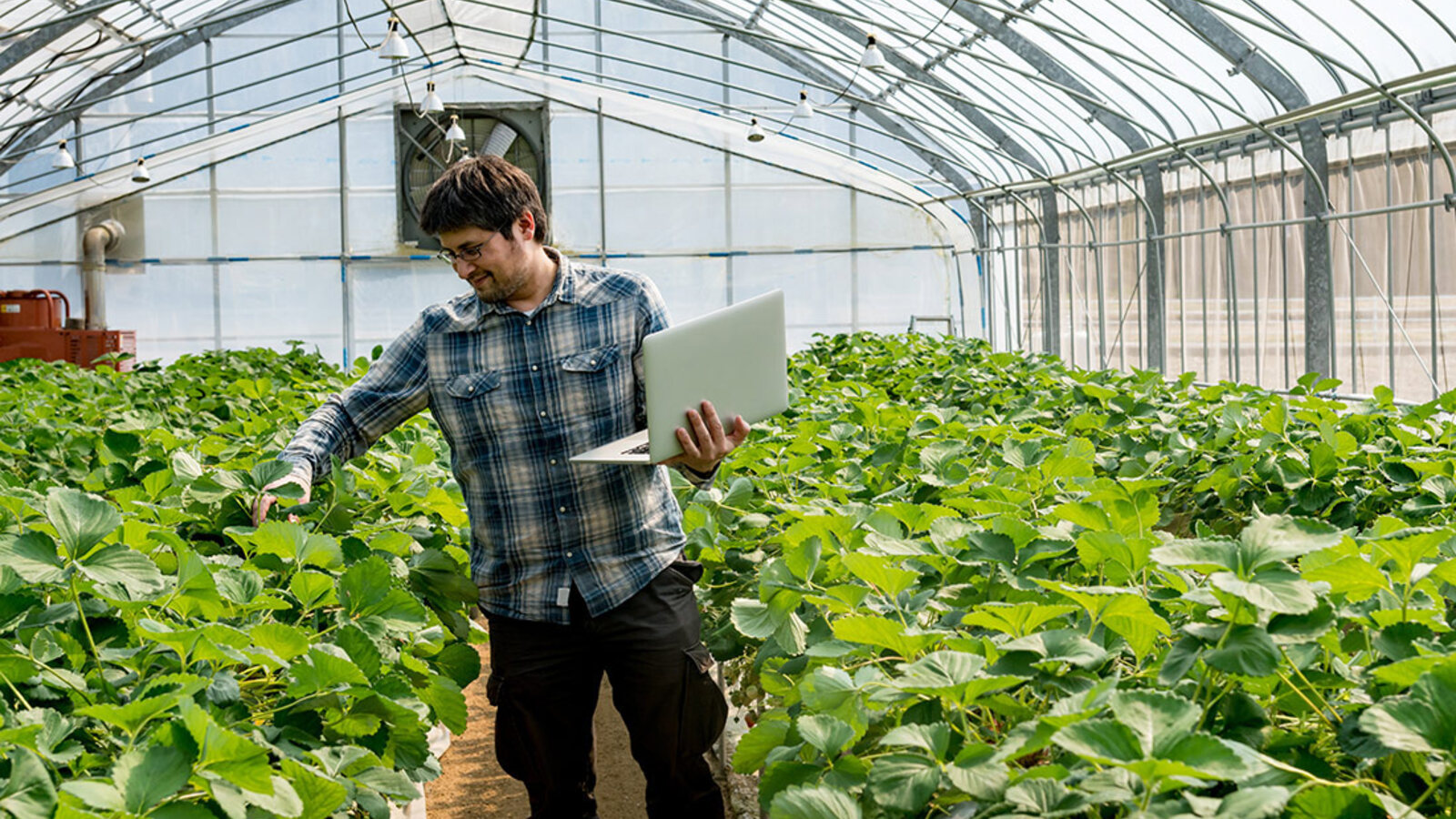
For the greenhouse operator, the workday rarely involves a simple watering can or a manual thermostat. Instead, it involves interpreting dashboards of data, calibrating automated systems, and walking the rows to verify that the machines are telling the truth. The plants are the ultimate judges of the system's performance, and the operator's primary job is to translate the silent language of the crop into actionable technical adjustments.
More Than Watering: The Science of Irrigation and Fertigation
In high-tech horticulture, plants are rarely grown in traditional soil. Instead, they root in substrates like rockwool cubes or coco coir slabs, which hold water and nutrients but offer no inherent nutrition. This means the operator has absolute control over what the plant consumes. The process of delivering water mixed with exact nutrient recipes is known as fertigation.
A modern greenhouse operator does not simply schedule waterings; they manage the electrical conductivity (EC) and pH levels of the nutrient solution. A higher EC might stress the plant slightly to encourage sweeter fruit, while a lower EC promotes rapid vegetative growth. Operators also carefully monitor the drain percentage—the amount of water that runs out of the substrate after a watering cycle. By measuring the drain's volume, EC, and pH, the operator can deduce exactly what the plant roots are absorbing. It is a continuous loop of feeding, measuring, and adjusting, ensuring that no drop of water or gram of fertilizer is wasted.
The Invisible Hand: Managing Climate Screens and Sensors
Above the crop, a complex array of mechanical systems stands ready to alter the environment at a moment's notice. Managing the greenhouse climate is a dynamic puzzle that changes with the movement of the sun, passing clouds, and shifting outdoor temperatures. Operators rely on a network of sensors measuring light intensity, relative humidity, carbon dioxide levels, and temperature.
One of the most critical tools in climate management is the screen system. Modern greenhouses are equipped with energy screens (thermal curtains) to trap heat during cold nights, and shade screens to protect plants from intense summer radiation. The operator must program the climate computer to deploy these screens at the exact right moment. Close an energy screen too early, and humidity might spike, inviting fungal diseases. Leave a shade screen open too long on a bright afternoon, and the plants may suffer from heat stress. Operators pay special attention to the Vapor Pressure Deficit (VPD), a metric that indicates how easily a plant can transpire moisture into the air. Keeping the VPD in the optimal range is the secret to a healthy, actively growing crop.
Scouting: The Art of Seeing What Plants Cannot Say
Despite the proliferation of sensors and climate computers, automation cannot replace the human eye. This is where scouting comes in. Scouting is the systematic, physical inspection of the crop to identify pests, diseases, and nutritional deficiencies before they spiral into facility-wide crises.
During a scouting routine, an operator walks specific paths through the greenhouse, examining sticky traps for flying insects and turning over leaves to look for microscopic threats. They are searching for the earliest signs of trouble:
- Whiteflies and Thrips: Tiny insects that can damage foliage and transmit devastating plant viruses.
- Spider Mites: Pests that thrive in dry microclimates, often hiding in the driest, warmest corners of the greenhouse.
- Fungal Pathogens: Issues like Botrytis or powdery mildew, which thrive when humidity is mismanaged.
Good scouting requires immense patience and an intimate knowledge of the crop. When a pest is identified, the operator often deploys biological controls—introducing predatory insects to hunt down the pests—rather than reaching immediately for chemical sprays. This integrated pest management (IPM) approach requires a deep understanding of ecological balances.
Crop Balance: Steering the Plant Between Growth and Yield
Plants have two primary modes of development: vegetative (producing leaves, stems, and roots) and generative (producing flowers and fruit). A plant that is too vegetative will become a massive, leafy bush with very little fruit. A plant that is too generative will produce a massive flush of fruit but may exhaust itself and die prematurely. The operator's goal is to maintain perfect crop balance.
This is achieved through a technique called crop steering. By manipulating the environment, the operator pushes the plant toward one mode or the other. For example, maintaining a large difference between day and night temperatures (DIF) generally pushes a crop toward generative growth. Conversely, frequent, small irrigation doses can encourage vegetative growth. The operator must physically inspect the plants daily—measuring stem thickness, checking flower development, and assessing leaf color—to decide which direction to steer the climate computer for the coming week.
The First Line of Defense: Sanitation and Hygiene Protocols
In a closed, high-density environment, a single infected plant can quickly compromise hectares of production. Because of this, modern greenhouses operate under hygiene protocols that rival those of medical laboratories. Viruses, such as the Tomato Brown Rugose Fruit Virus (ToBRFV), can survive on surfaces, clothing, and tools, making strict sanitation the operator's first line of defense.
A typical day begins by passing through hygiene stations. Operators step into disinfecting boot dips, wash and sanitize their hands, and often don dedicated facility clothing and hairnets. Tools, such as pruning shears or harvesting knives, are frequently dipped in disinfectants between rows or even between individual plants. The operator must also enforce these rules with all staff and visitors. A single oversight—a dropped piece of plant debris left on the floor, or a skipped hand-wash—can lead to catastrophic crop losses.
When the Alarm Sounds: Troubleshooting Under Pressure
The reliance on automated systems means that when something breaks, it breaks comprehensively. A greenhouse operator is always on call, and their phone is tied to the climate computer's alarm system. If a boiler fails on a freezing January night, or if a main irrigation pump loses pressure during a July heatwave, the alarm sounds, and the operator must respond immediately.
Troubleshooting in these moments requires a calm demeanor and a systematic mind. Is the pressure drop caused by a burst pipe, a clogged filter, or a software glitch? Is the temperature alarm due to a broken sensor, or did a thermal screen fail to close? The operator must rapidly diagnose the issue, override automated systems manually if necessary, and implement emergency fixes to protect the crop. It is during these high-stakes moments that the operator's deep knowledge of the facility's plumbing, electrical, and software systems is put to the ultimate test.
Building a Career Under Glass
Working as a greenhouse operator is a physically active and intellectually demanding profession. It requires a rare blend of talents: the empathy to understand living organisms and the analytical skills to manage industrial-scale machinery. While artificial intelligence and robotics continue to advance, the need for skilled operators is only growing. Technology can execute commands, but it takes a human to observe the subtle droop of a leaf, interpret the data, and make the final judgment call.
For those drawn to agriculture but fascinated by technology, the modern greenhouse offers a dynamic and resilient career path. It is a job where you can physically see the fruits of your labor growing day by day, knowing that your decisions—balanced carefully between biology and engineering—are what made it possible.