
Seasonal Farm Work in Europe: What to Expect Before the First Shift
The Reality of the First Morning
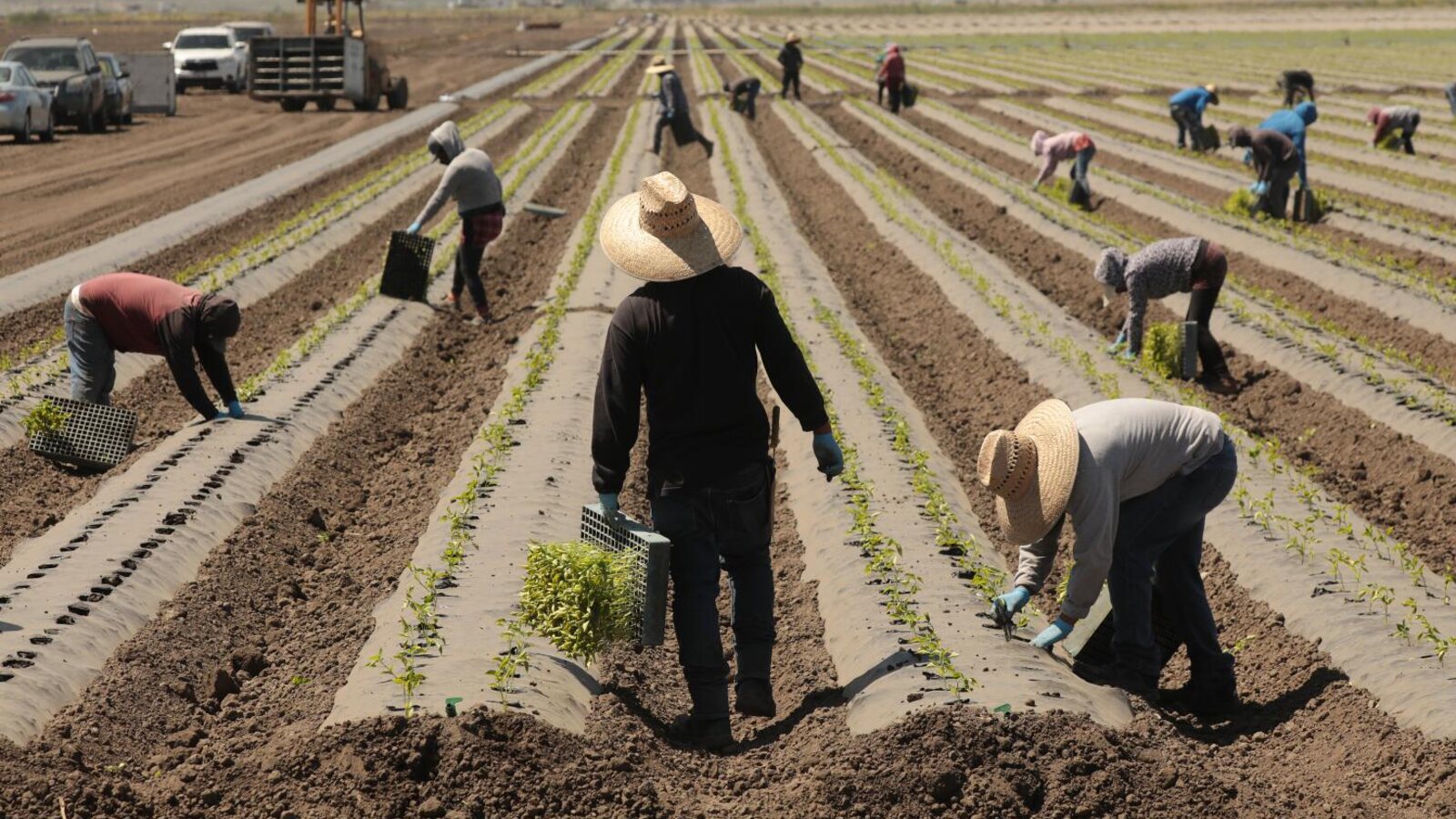
There is a distinct moment on the first morning of a seasonal harvest when the romantic idea of working outdoors collides with the unyielding reality of commercial agriculture. It usually happens around 4:30 AM, when the alarm rings in a shared caravan. The fields of Europe, whether they are strawberry tunnels in the UK, apple orchards in Poland, or asparagus rows in Germany, demand immense physical and mental endurance. Seasonal work is an industry built on speed, efficiency, and stamina. Before you step into the rows for your very first shift, it is crucial to understand that agriculture does not adapt to the worker; the worker must adapt to agriculture. Leaving behind idealized notions of farming is the first step toward a successful and financially rewarding season.
Many first-time workers arrive unprepared for the sheer scale of modern agricultural operations. You are not picking a few baskets for a farmer's market; you are part of a massive supply chain feeding millions. The pace is set by supermarket contracts and weather windows. You will see experienced workers moving with a fluid, mechanical efficiency that takes seasons to master. During your first few days, your primary goal is not to match their speed, but to learn their techniques, protect your body, and understand the rhythm of the farm.
The Physical Toll and the Third-Day Wall
Farming is an athletic endeavor. Whether you are constantly bending to pick berries, carrying heavy crates of apples, or walking miles behind a tractor, your body will absorb the impact. Almost every seasonal worker experiences what veterans call the 'third-day wall.' By the morning of your third day, the initial adrenaline has worn off, and delayed onset muscle soreness reaches its peak. Your hands may be blistered, your lower back will ache, and getting out of bed will require a conscious act of willpower.
Surviving the third-day wall is a rite of passage. This is the point where many novices quit. To push through, you must treat your body like a machine that requires strict maintenance. Hydration is not optional; you must drink water before you feel thirsty. Stretching before and after shifts can prevent muscle tears. Most importantly, focus on your ergonomics. Experienced pickers keep their backs as straight as possible, bending at the knees or hips, and keep their work directly in front of them to avoid twisting their spines. The pain usually subsides after the first week as your muscles adapt to the repetitive motions.
Decoding the Paycheck: Piece Rates vs. Hourly Wages
Understanding how you are paid is fundamental to setting your expectations and your daily pace. Farm work typically falls into two categories: hourly pay and piece rates. Hourly work provides financial stability. You are paid for the time you spend in the field, which is common for tasks like planting, weeding, or pruning. However, during the peak harvest, most farms shift to piece rates, where you are paid based on the weight or volume of the crop you pick.
Piece rates can be highly lucrative for fast, experienced workers, but deeply frustrating for beginners. When working on a piece rate, every wasted movement costs you money. Farms usually set a minimum target you must hit to maintain the equivalent of the minimum wage. If you consistently fall below this target, you may be moved to a different task or let go. Do not panic if you are slow on day one. Focus entirely on technique. Speed comes naturally once your hands learn the most efficient path from the plant to the punnet. Additionally, be aware of team piece rates, where your earnings are pooled with your row-mates. In these setups, communication and matching the pace of your team are essential to prevent friction.
Weather as the Ultimate Manager
In seasonal agriculture, the weather dictates everything. It controls your schedule, your income, and your comfort. A heavy rainstorm can delay a shift by hours or cancel it entirely, eating into your potential earnings. Conversely, a heatwave might force the farm to start shifts at 3:00 AM and finish by noon to protect both the crop and the workers from heatstroke. You must be prepared for a schedule that changes daily.
Appropriate gear is your only defense against the elements. You need to dress in layers. A typical morning might start near freezing, requiring a fleece and a waterproof jacket, but by mid-day, you might be sweating in a t-shirt. Footwear is your most critical investment. Do not bring cheap sneakers. Invest in sturdy, waterproof work boots or high-quality wellingtons with good insoles. The mud in an agricultural field is thick, heavy, and exhausting to walk through. Staying dry and warm will significantly impact your morale and your picking speed.
Camp Life: Kitchens, Caravans, and Community
For most seasonal workers, the farm provides on-site accommodation. Living in a farm camp is a unique experience that blends the dynamics of a hostel with the exhaustion of a labor camp. You will likely share a caravan or a dormitory room with two to five other people. Personal space is minimal, and the walls are thin. Respecting your roommates' need for sleep is the unspoken golden rule of camp life.
The communal kitchen is the heart of the camp, but it is also the primary source of tension. After a ten-hour shift, sixty people might be trying to cook dinner on ten stoves. Organization is key. Many successful workers meal-prep on their days off, cooking large batches of rice, pasta, and protein that can be quickly reheated. Keep your dry goods secure, clean your pots immediately, and never take someone else's designated fridge space. The camp community can be your greatest support system; you will meet people from all over the world. Sharing a meal or a beer on the weekend helps build the camaraderie necessary to get through a grueling season.
Communication Across Borders
European farms are melting pots. You will hear a dozen different languages in a single field. English, Russian, or Polish often serve as the lingua franca, depending on the country and the management. However, you do not need to be fluent to be effective. The language of the field is heavily reliant on gestures, numbers, and basic commands.
Pay close attention to your foremen and supervisors. They are responsible for quality control. If a supervisor tells you that you are bruising the fruit or leaving too much stalk, do not argue. Correct the issue immediately. Misunderstandings often lead to poor quality picking, which can result in warnings or dismissal. Learn the basic vocabulary of the crop you are picking in the dominant language of the farm: words for 'ripe', 'unripe', 'rotten', 'fast', and 'stop'. A simple nod and a willingness to adjust your technique will earn you the respect of the management.
Transport, Logistics, and Isolation
Farm camps are almost always located in rural, isolated areas. Getting to the nearest town for groceries, pharmacy runs, or banking often requires planning. Many farms provide a weekly minibus to a local supermarket. Treat these trips with military precision. Create a detailed shopping list beforehand, focusing on high-calorie, nutritious foods that do not spoil quickly.
The isolation can take a mental toll. Without the usual distractions of city life, homesickness and cabin fever are common. Use your days off wisely. While it is tempting to spend the entire day sleeping, getting off the farm, even just to walk in the nearest village, can reset your mental state. Make sure you have a reliable data plan to stay in touch with family, but do not spend all your free time scrolling on your phone. Engage with your fellow workers; the shared experience of hard labor creates strong bonds.
What Separates a Survivable Season from a Good One
Anyone with basic fitness can survive a season, but having a good season requires strategy. It starts with setting clear, realistic financial goals. Know exactly why you are there: whether it is to save for university, buy a car, or support family back home. Write that goal down. When the alarm goes off at 4:00 AM and it is raining, that goal is what will pull you out of bed.
A successful season also requires mental resilience. You will face days where the crop is poor, the piece rate feels unfair, and your body aches. The workers who thrive are those who do not waste energy complaining about things they cannot control. They focus on their rhythm, support their team, and treat the work with professional detachment. By the end of the harvest, you will have earned more than just money; you will walk away with a profound sense of self-reliance, physical toughness, and the knowledge that you can endure far more than you ever thought possible.