
The Life of a Dairy Farm Worker: Skills, Routines, and Career Growth
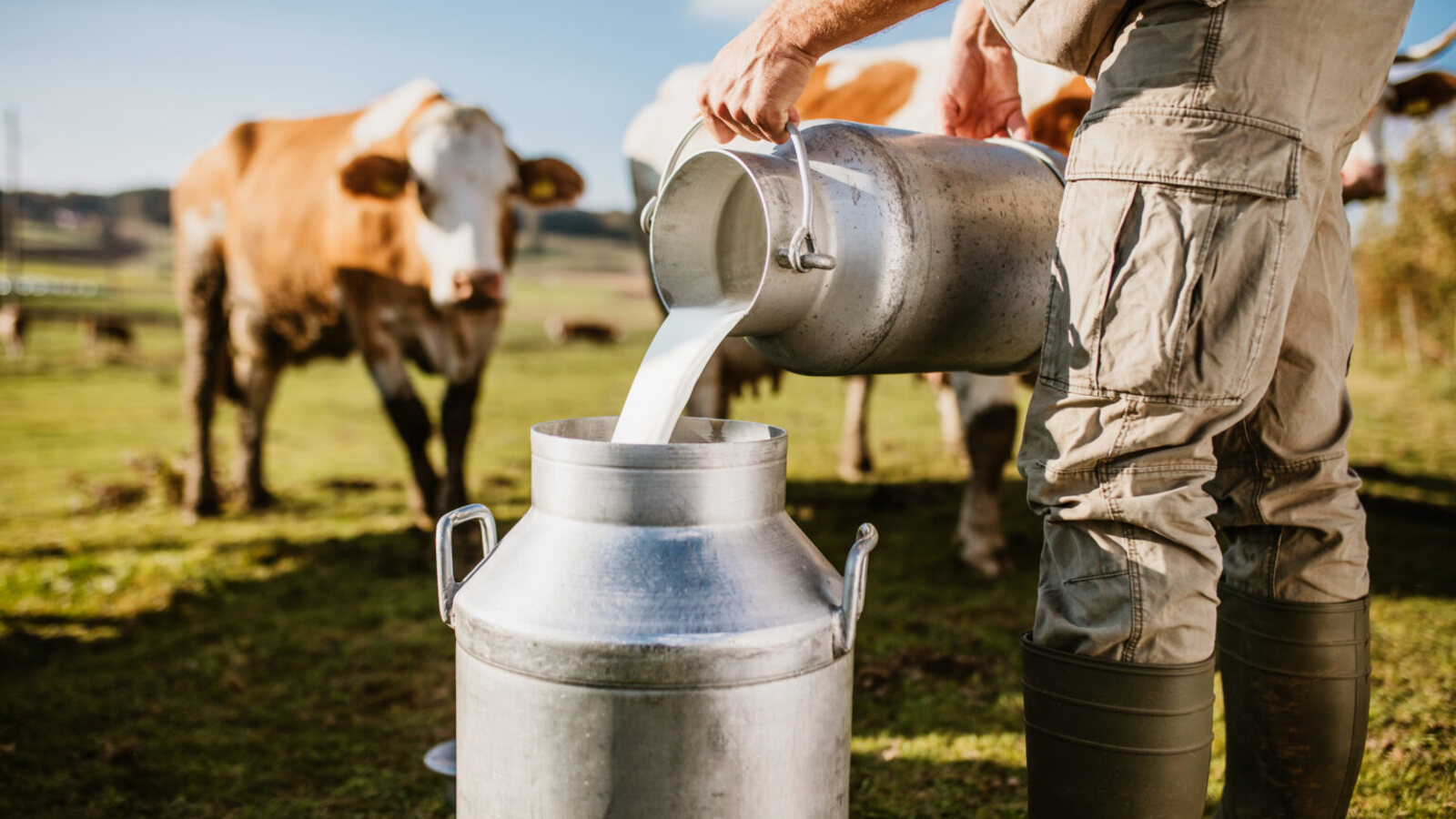
The Rhythm of the Dairy Farm
There is a specific rhythm to a dairy farm, a continuous pulse that dictates the lives of the people and the animals that inhabit it. Unlike seasonal crop farming, which builds to a frantic harvest, dairy farming is an exercise in endurance and consistency. The cows need to be milked, fed, and cared for twice or even three times a day, every single day of the year. For a dairy farm worker, this means stepping into a world where routine is sacred and where the smallest deviation can have immediate consequences for animal welfare and milk production.
Working on a dairy farm is not just a job; it is a lifestyle that demands a unique blend of physical stamina, technical knowledge, and deep empathy for living creatures. The modern European dairy farm is a complex operation. It is no longer just a person with a stool and a bucket. Today's facilities often feature advanced milking parlors, automated climate control, and intricate feeding systems. Yet, despite all the technology, the core of the work remains deeply human. It relies on the observant eye of the worker who can spot a sick cow in a herd of hundreds, and the gentle touch of someone helping a newborn calf take its first breath.
The Milking Parlor: More Than Just Extracting Milk
The milking parlor is the engine room of the farm. Whether it is a herringbone, parallel, or rotary system, the principles remain the same: hygiene, efficiency, and animal comfort. A novice might see milking as merely attaching machines to udders, but an experienced farm worker understands that the milking routine is a critical health check.
The process begins with bringing the cows into the holding area calmly. Stress inhibits the release of oxytocin, the hormone responsible for milk let-down. A skilled worker moves the herd quietly, avoiding sudden noises or aggressive gestures. Once the cow is in the stall, the preparation begins. This involves stripping a few squirts of milk from each teat to check for abnormalities like clots or wateriness, which are early signs of mastitis. The teats are then cleaned and stimulated, usually with a pre-dip solution, and dried thoroughly before the milking cluster is attached.
Timing is everything. The cluster must be attached within a specific window after stimulation to maximize milk flow and minimize the time the machine is on the udder, reducing wear on the teat ends. Throughout the milking, the worker constantly monitors the equipment to ensure it is functioning correctly and watches the cows for any signs of discomfort. Post-milking, a barrier dip is applied to protect the open teat canal from bacteria as the cow returns to the barn.
Calf Care: Empathy and Precision
If the milking parlor is the engine room, the calf barn is the nursery. Rearing calves is arguably the most delicate and important task on the farm, as today's calves are tomorrow's milking herd. This area of work requires an immense amount of empathy, patience, and meticulous attention to detail.
The critical first step in a calf's life is receiving colostrum. Colostrum is the first milk produced by the mother, rich in antibodies that the calf desperately needs since it is born with virtually no immune system. A dedicated calf rearer ensures that every newborn receives an adequate volume of high-quality colostrum within the first few hours of life. This often means testing the quality with a Brix refractometer and bottle-feeding or tubing the calf if necessary.
Following the colostrum phase, calves are typically fed milk or milk replacer, along with starter grain and water. The worker must meticulously clean and sanitize bottles, buckets, and feeding equipment to prevent the spread of disease. They observe each calf during feeding times. Does the calf have a strong suckle reflex? Are its ears droopy? Is there any sign of scours or respiratory distress? Catching an illness early in a calf can mean the difference between a swift recovery and a stunted, unproductive life.
Feeding and Nutrition Management
Feeding a dairy herd is a science and an art. The goal is to provide a balanced ration that meets the high energy and protein demands of lactation while keeping the cow's complex digestive system—the rumen—healthy and functioning smoothly. Most modern farms use a Total Mixed Ration (TMR), a carefully calculated blend of forages, grains, protein supplements, and minerals.
A worker tasked with feeding must be precise. They operate large mixer wagons, carefully loading the exact weight of each ingredient in the correct order as specified by the farm's nutritionist. Overfeeding expensive concentrates wastes money, while underfeeding or mixing the ration poorly can lead to metabolic diseases in the cows and a drop in milk yield. The TMR must be mixed thoroughly so the cows cannot sort out the tasty grains and leave the fibrous forage behind.
Beyond mixing, the feeding routine involves delivering the feed evenly along the feed bunk and regularly pushing up the feed throughout the day. Cows are grazers by nature and tend to push their food away as they eat. Pushing the feed back within their reach encourages dry matter intake, which directly drives milk production. A good worker also reads the bunk before the next feeding, observing how much feed is left over to adjust the next batch accordingly.
The Silent Language of Cattle: Health Observation
Cows are prey animals. Their instinct is to hide signs of weakness or illness until they are severely compromised. Therefore, one of the most critical skills a dairy farm worker develops is the ability to read the silent language of the herd. This requires a sharp eye and a deep familiarity with normal bovine behavior.
Observation happens constantly—while moving cows to the parlor, during feeding, or simply when walking through the barns. A skilled worker looks for subtle cues. Is a cow standing alone, away from the herd? Is her head lowered? Are her eyes dull? Is she reluctant to stand up or walk? Lameness is a significant issue in dairy herds, and catching a slight limp early allows for prompt hoof trimming or treatment before the condition worsens.
Another crucial aspect of observation is identifying metabolic disorders. Does a cow have sweet-smelling breath, indicating ketosis? Is her left side bloated? Furthermore, heat detection is vital. Spotting a cow in estrus involves watching for behaviors like restlessness, vocalization, and standing to be mounted by other cows. While many farms use activity monitors, the observant human eye remains essential.
Machinery and Technology on the Modern Farm
Today's dairy farm is highly mechanized, and workers must be comfortable operating and maintaining a variety of equipment. This ranges from the intricate pneumatic and electronic systems in the milking parlor to heavy machinery like tractors, skid steers, and telehandlers used for scraping manure, handling bales, and loading feed.
A competent worker knows how to conduct basic daily maintenance: checking oil levels, greasing moving parts, blowing out filters, and ensuring tires are properly inflated. They understand that a broken-down tractor at feeding time is a major crisis. Safety is paramount when operating heavy machinery around livestock and other personnel. The environment is often noisy, wet, and slippery, requiring constant vigilance.
Technology extends beyond heavy machinery. Many farms utilize herd management software, automated calf feeders, and wearable sensors that track a cow's rumination and activity levels. Workers need a baseline level of digital literacy to input data, interpret alerts on a smartphone or tablet, and integrate these technological insights with their physical observations of the herd.
Record Keeping and Protocols
In modern agriculture, if it is not documented, it did not happen. Record keeping is the backbone of farm management, quality assurance, and legal compliance. A dairy worker is responsible for logging a vast amount of data accurately and consistently.
This includes recording births, deaths, medical treatments, breeding dates, and milk yields. When a cow is treated with antibiotics, the worker must meticulously record the date, the medication used, the dosage, and the withdrawal period. The milk from a treated cow must be diverted from the bulk tank to ensure the commercial milk supply remains free of antibiotic residues. Mistakes in this area can result in the entire tank being rejected.
Adhering strictly to Standard Operating Procedures (SOPs) is vital. Whether it is the steps for cleaning the milking system, the protocol for treating a specific ailment, or the procedure for welcoming a new calf, SOPs ensure consistency regardless of who is on shift. A professional worker respects these protocols, understanding they are designed to protect everyone involved.
The Workload: Managing Physical and Mental Demands
There is no sugarcoating it: dairy farm work is physically demanding. It involves long hours on your feet, lifting heavy bags of feed, handling large animals, and working in all weather conditions. The shifts often start before dawn and can stretch late into the evening, requiring a high level of physical stamina and endurance.
Beyond the physical toll, there is a mental and emotional weight. Dealing with sick animals or experiencing the loss of a calf can be disheartening. The relentless daily routine can lead to burnout if not managed carefully. A successful farm worker learns how to pace themselves, prioritize rest during off-hours, and communicate openly with farm managers about workload and scheduling to maintain a healthy balance.
Employers in the agricultural sector are increasingly recognizing the importance of sustainable work practices. Progressive farms are moving towards structured shift rotations, offering better facilities for staff, and fostering a team culture where workers feel supported. However, the individual worker must still cultivate resilience and a genuine passion for the lifestyle to thrive in this demanding environment.
The Growth Path: From Novice to Herd Manager
A career on a dairy farm does not have to remain static. For those with drive and a willingness to learn, the growth path from an entry-level worker to a senior management role is clear and rewarding. The journey begins with mastering the basics: milking, scraping, and feeding. At this stage, reliability and a strong work ethic are the most valuable assets.
As a worker gains experience, they can begin to specialize. They might take a keen interest in calf rearing, becoming the dedicated calf manager. They might develop a talent for machinery maintenance or focus on reproductive management. To move up into senior roles, workers typically need to develop the following key skills:
- Artificial Insemination (AI): Mastering breeding techniques to improve herd genetics and reproduction rates.
- Hoof Care and Trimming: Understanding hoof anatomy and learning to treat and prevent lameness issues.
- Data Analysis: Utilizing farm management software to track herd performance, milk yields, and health trends.
- Leadership and Team Management: Learning to schedule shifts, train new employees, and manage team dynamics.
The ultimate step for many is becoming a Herd Manager. This role shifts focus from purely physical labor to logistics, human resources, and strategic planning. A herd manager works closely with veterinarians and nutritionists, manages the farm staff, and ensures the operation is profitable and compliant. It is a demanding role, but one that offers immense satisfaction in steering the future of a complex agricultural enterprise.