
Inside the Modern Greenhouse: Duties, Pace, and Daily Life
The Shift to Controlled Environments
Agriculture is moving indoors. Across Europe, the traditional image of a farm worker braving the elements in a muddy field is increasingly being replaced by teams working in vast, climate-controlled glass structures. Commercial greenhouses are marvels of modern engineering, capable of producing tomatoes, cucumbers, bell peppers, and ornamental flowers year-round. But what does this mean for the people who actually do the work? Working in a greenhouse is a highly specialized job that demands a completely different rhythm, mindset, and physical tolerance compared to open-field agriculture. It is a world governed by precision, controlled climates, and strict routines. If you are considering entering this sector, or if you are an employer looking to understand the realities of your workforce, it is essential to look past the glass and see the day-to-day reality of greenhouse labor.
The Core Duties: Crop Care, Harvesting, and Pruning
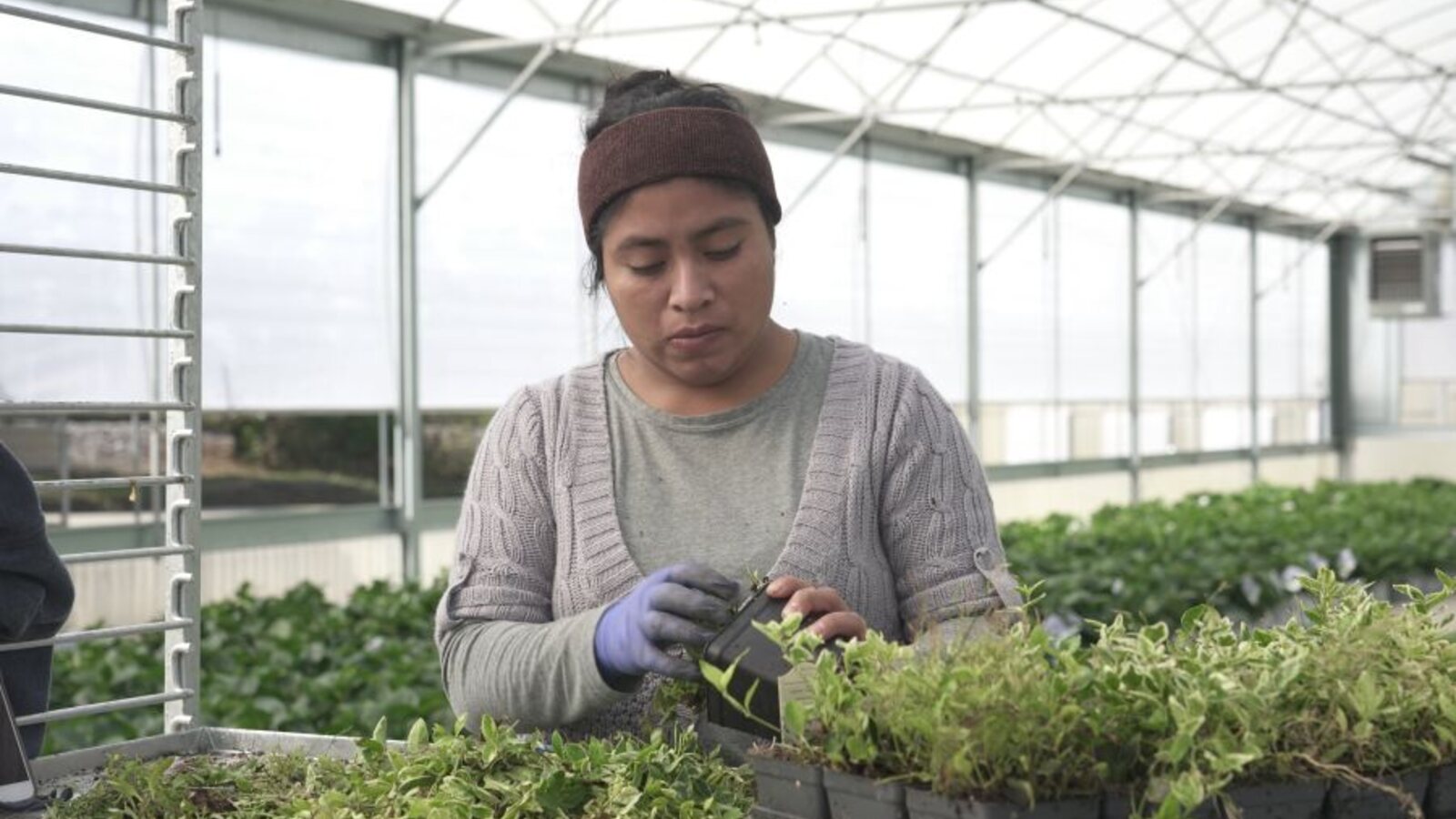
The daily tasks in a greenhouse go far beyond simply picking fruit. The work is usually divided into distinct phases, each requiring its own technique. Crop care is the foundation of a healthy yield. For vine crops like tomatoes or cucumbers, this involves 'twining' or 'clipping'—guiding the rapidly growing plants up support strings so they maximize their exposure to artificial and natural light. Pruning is another critical task. Workers must systematically remove specific leaves, side shoots, and sometimes even small fruits. This is not arbitrary; it directs the plant's energy into producing fewer, but larger and higher-quality vegetables. Harvesting requires a trained eye and a gentle touch. Picking must be done at the exact right stage of ripeness, often determined by precise color charts. A tomato picked a day early or a day late can affect an entire shipment. Finally, there is packing and sorting, which sometimes happens directly in the greenhouse aisles using mobile weighing stations, or in an attached packhouse. Every action must be executed smoothly to avoid bruising the delicate produce.
The Physical Reality: Climate and Humidity
The most immediate shock for anyone stepping into a commercial greenhouse for the first time is the atmosphere. These structures are designed to optimize plant growth, not human comfort. The environment is heavily regulated, often maintaining temperatures between twenty and twenty-five degrees Celsius, though it can feel significantly hotter due to the intense humidity, which is frequently kept around eighty percent. On a sunny summer day, the heat trapped beneath the glass can become oppressive. Even in winter, the artificial heating and lighting mean you are working in a localized, tropical microclimate while frost covers the ground outside. Workers must learn to pace themselves, stay hydrated, and wear appropriate layered clothing. The air is often thick with the smell of tomato stalks or flowers, which is pleasant at first but becomes a permanent backdrop to your working life. Adapting to this humid, heavy air is the first hurdle every new greenhouse worker must clear.
Pace, Targets, and Repetitive Motion
Unlike traditional farming, which ebbs and flows with the weather and the seasons, greenhouse work is relentless and target-driven. Because the environment is controlled, the growth rate of the plants is predictable, and therefore, the volume of work is highly scheduled. Employers operate on tight margins and strict delivery schedules with supermarkets. This translates to clear performance targets for workers. You are often expected to pick a certain number of kilograms per hour or prune a specific number of rows by the end of the shift. This pace demands stamina and mental focus. The work is also highly repetitive. Whether you are twisting clips onto stems, snipping leaves, or reaching up to harvest, you will be performing the same physical motions hundreds, if not thousands, of times a day. This requires physical endurance and a mindful approach to posture to prevent strain injuries, particularly in the shoulders, back, and wrists.
The Strict Rules of Hygiene and Biosecurity
A greenhouse is an isolated ecosystem. Because plants are grown in such close proximity, an outbreak of a virus, fungus, or pest can decimate an entire crop in a matter of days. To prevent this, commercial greenhouses enforce strict biosecurity protocols. As a worker, you do not just walk in and start your shift. You must pass through hygiene stations, which often involve stepping on disinfectant mats to clean your footwear, washing and sanitizing your hands multiple times, and sometimes donning protective coats and hairnets. Tools like scissors and knives must be dipped in disinfectant solutions regularly, sometimes between every single row of plants. Smoking is heavily restricted or completely banned anywhere near the facility, as the tobacco mosaic virus can easily be transferred from human hands to tomato plants. These hygiene rules are not suggestions; they are the absolute law of the greenhouse, and adherence to them is a non-negotiable part of the job.
Open Field vs. The Greenhouse Environment
The differences between open-field work and greenhouse work are profound. In an open field, you are at the mercy of the weather. You might lose days to heavy rain, or work in freezing wind. The terrain is uneven, and the work is often seasonal, requiring a massive influx of labor for a few intense weeks of harvest. In contrast, a greenhouse offers stability. The ground is flat, often concrete, with pipe-rail heating systems doubling as tracks for harvesting trollies. You are protected from the rain and wind, and the work is far less reliant on the seasons, offering much longer or even year-round contracts. However, open-field work offers fresh air and a changing landscape. Greenhouse work can feel claustrophobic to some. You are confined to long, identical rows of green, under the hum of ventilation fans and artificial lights. It is a trade-off: you exchange the unpredictability of nature for the rigorous, humid predictability of a factory-like agricultural setting.
Teamwork and the Working Hierarchy
While the physical tasks might seem solitary, a commercial greenhouse operates as a highly coordinated machine. You are usually part of a specific team—perhaps the harvesting crew, the leaf-picking crew, or the logistics team moving produce to the packhouse. Each team is overseen by a supervisor or a 'row boss' who monitors speed, quality, and plant health. Communication is vital. If a worker spots the early signs of a pest infestation, like whiteflies or spider mites, they must report it immediately so biological controls (like predatory insects) can be deployed. Because European greenhouses employ a diverse workforce, you will often find yourself working alongside people from multiple countries. English, Polish, Russian, and Romanian often blend in the aisles. Good employers foster a culture of mutual respect, where experienced workers help newcomers learn the subtle techniques that make the job physically easier and faster.
Who Truly Thrives Here?
Greenhouse work is not for everyone, and it is entirely different from a casual gardening hobby. The person who thrives here is resilient, detail-oriented, and comfortable with routine. If you are someone who enjoys physical labor, values knowing exactly what is expected of you each day, and prefers a steady, indoor environment over the chaos of outdoor weather, this work can be very rewarding. It suits individuals who can find a rhythm in repetitive tasks—a sort of active meditation. It also requires a strong constitution; you must be comfortable standing or walking for eight to ten hours a day, reaching overhead, and tolerating high humidity. For the right person, it offers a reliable income, a clear set of duties, and the satisfaction of being an essential part of the modern food supply chain.
The Future of the Profession
The greenhouse sector is continually evolving. Automation and robotics are slowly making their way down the aisles, with experimental machines learning to pick delicate fruits or monitor plant health using AI cameras. However, the human touch remains irreplaceable for most of the delicate care, pruning, and complex decision-making required on the ground. As the demand for locally grown, pesticide-free, year-round produce increases across Europe, the need for reliable, skilled greenhouse workers will only grow. It is a profession that is becoming more technical and more structured. Understanding the demands of this environment is the first step toward building a successful and sustainable career beneath the glass.