
A Greenhouse as a System: Light, Water, Climate and People
The Glass Engine
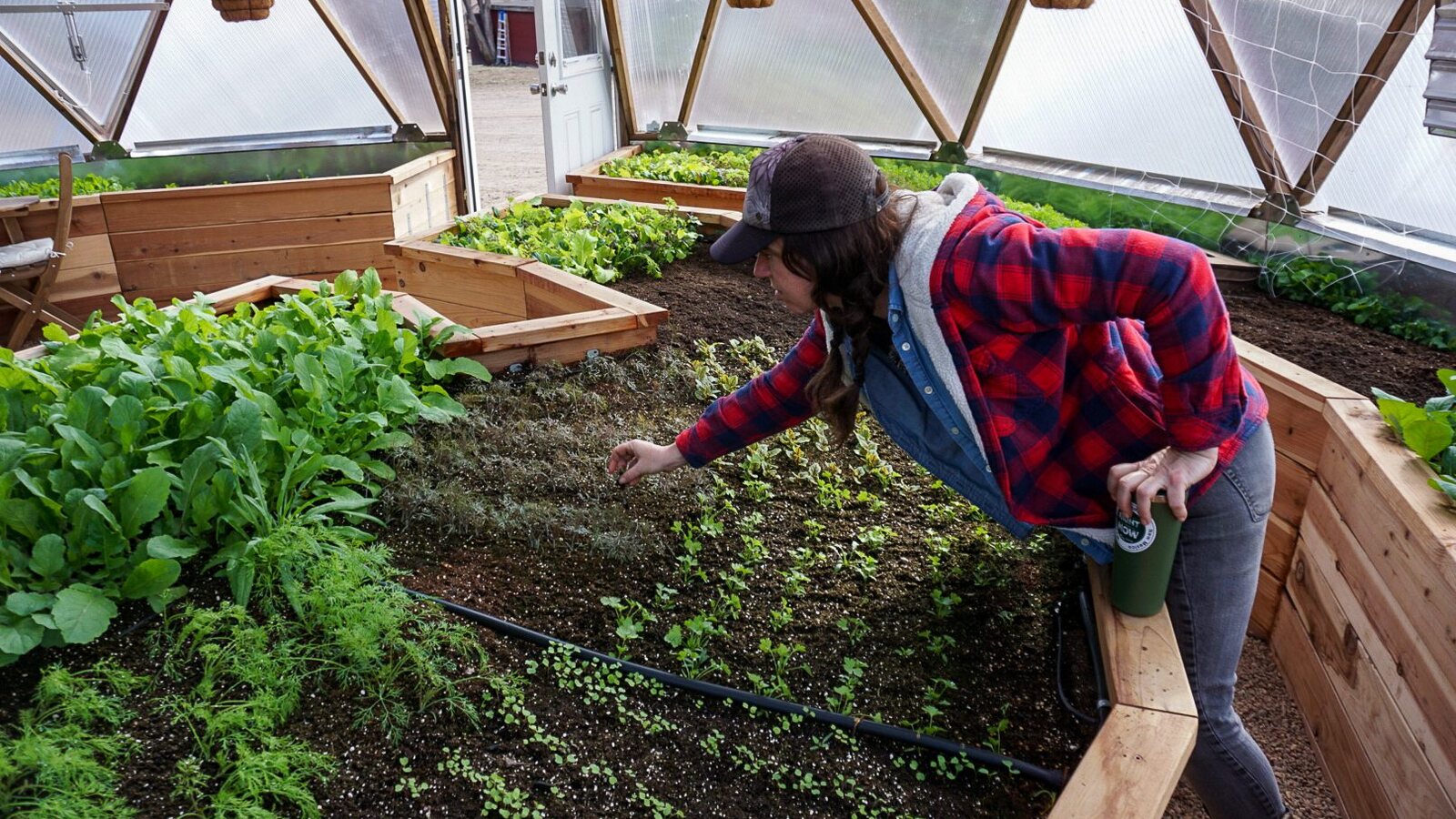
Stepping into a modern commercial greenhouse, the first thing you notice is the atmosphere. It is not just warm; it is active. The air moves with purpose, the light feels heavy and intense, and the plants stand in exact alignment. A commercial greenhouse is often mistaken by outsiders for a simple agricultural shelter, a glass roof meant only to keep the rain off. For those working inside, however, it is something entirely different. It is an engine. It is a biological factory where the raw inputs of light, water, carbon dioxide, and human effort are transformed into a predictable, continuous harvest.
Understanding this high-tech environment requires far more than knowing how to read a thermometer or mix basic fertilizers. Crop performance is never determined by any single variable acting in isolation. Instead, it is the result of constant, dynamic interaction. A sudden change in light immediately changes the plant's demand for water. A change in water uptake affects the ambient humidity, which in turn alters the entire climate strategy. The climate then dictates how much manual labor will be needed next week to manage the physical growth of the crop. Everything is deeply connected. For agronomists, crop managers, and greenhouse workers across Europe, mastering this space means learning to see the greenhouse not as a collection of separate parts, but as one living, breathing ecosystem.
Light and Energy: The Fundamental Drivers
Light is the absolute fundamental driver of plant growth. It acts as the accelerator pedal of the greenhouse engine. Through the process of photosynthesis, light provides the energy plants need to convert water and carbon dioxide into complex sugars, which are then used to build leaves, strong stems, and heavy fruit.
However, light is not static. Throughout the European growing season, natural light levels fluctuate dramatically. A cloudy morning in the Netherlands or Poland requires a completely different management strategy than a bright, clear afternoon in southern Spain. Greenhouse professionals must constantly measure the Daily Light Integral (DLI)—the total amount of photosynthetically active radiation delivered to the crop over a full 24-hour period. When light is abundant, the biological engine runs fast. The plants consume vastly more water, demand higher levels of nutrients, and require supplemental carbon dioxide to keep up with the increased rate of photosynthesis. If the grower fails to provide these supporting elements, the intense light can become a severe stress factor rather than a growth benefit.
The ongoing transition from traditional High-Pressure Sodium (HPS) fixtures to modern LED lighting has fundamentally changed this dynamic. HPS fixtures radiate significant heat downwards, warming the crop directly. LEDs, while highly electrically efficient, produce very little radiant heat. While this saves massive amounts of electricity, it means growers must now rely more heavily on traditional heating pipes to maintain the correct plant temperature and manage ambient humidity. This shift perfectly illustrates the golden rule of the greenhouse: changing one variable always shifts the balance of the entire system.
Climate Control: Finding the Balance
If light is the accelerator pedal, climate control is the steering wheel. The climate inside a greenhouse determines exactly how the plant will use the energy it gathers from the sun and supplemental lights. Temperature and humidity are the two most critical levers in a grower's toolkit.
Temperature directs the plant's overall speed of development. Higher average 24-hour temperatures accelerate the ripening of fruit and the rapid unfolding of new leaves. However, it is the crucial difference between day and night temperatures that dictates the plant's balance between vegetative growth (producing more leaves and thicker stems) and generative growth (producing flowers and fruit). A skilled agronomist manipulates this temperature difference to 'steer' the crop based on its current physical condition and market demands.
Humidity is equally vital, primarily managed and expressed as Vapor Pressure Deficit (VPD). VPD is a measure of the drying power of the air. If the air is too dry, the plant loses water too quickly through its leaves, prompting it to close its stomata and completely shut down photosynthesis to protect itself from wilting. If the air is too humid, transpiration stops. Without transpiration, the plant cannot pull water and essential elements like calcium up from its root system, leading directly to costly physiological disorders such as blossom end rot. Managing the climate means using roof vents, heating pipes, and climate screens in a synchronized, constantly adjusting dance to maintain the perfect VPD.
Water and Nutrition: The Delivery System
Water in a greenhouse is rarely just water. It is the lifeblood and the primary transport mechanism for essential nutrients. The irrigation strategy is how a grower silently communicates with the invisible root system of the crop. Every single drip delivered through the emitter to a rockwool block or a bag of coco coir carries meticulously calculated concentrations of nitrogen, potassium, calcium, and trace elements.
The precise timing of this delivery is critical. Plants do not drink at a steady, predictable rate; their thirst is a dynamic response driven by light intensity and climate. A typical day starts with smaller, frequent watering cycles. This builds up moisture in the root zone as the sun rises and the plants 'wake up'. During the peak heat of midday, the strategy shifts. The goal becomes providing enough water to meet the plant's intense transpiration demands while simultaneously flushing out old fertilizer salts from the substrate to achieve a specific drainage target.
The Electrical Conductivity (EC) of the nutrient solution is monitored obsessively by the irrigation manager. A higher EC makes it physically harder for the plant to take up water through osmosis. This mild, controlled stress can be used strategically to steer a crop generatively and significantly improve fruit flavor. But an EC that is pushed too high will burn the delicate root hairs. The manager must constantly balance the plant's fundamental need for food against its need for easy, unrestricted water uptake.
Energy Dynamics and Carbon Dioxide
Heating a massive glass box in Northern Europe during the harsh winter requires an extraordinary amount of energy. To remain economically profitable and environmentally responsible, a modern greenhouse must be a marvel of thermal efficiency. The system relies heavily on capturing, storing, and reusing energy wherever physically possible.
Combined Heat and Power (CHP) units are the beating heart of many facilities. They burn natural gas to generate electricity, which is often used to power supplemental LED lighting or sold back to the national grid during peak pricing hours. The valuable byproduct of this generation is heat, which is captured and stored in massive, heavily insulated water tanks. This stored heat is then deployed as a buffer to warm the greenhouse during cold nights. Even the carbon dioxide produced by the combustion process is scrubbed completely clean of impurities and pumped directly back into the greenhouse to feed the hungry plants.
Plants absolutely require CO2 for photosynthesis. When roof vents are tightly closed in the winter to conserve heat, a dense crop can quickly deplete the available CO2 in the indoor air. Growers must dose pure CO2 to maintain optimal growth rates. However, during the summer, when vents are wide open to release excess heat, dosing CO2 requires precise timing and calculation to ensure the crop benefits without wasting expensive gas to the outside atmosphere.
The Human Element: Observation and Labor
Despite the rapid proliferation of smart sensors, complex climate computers, and automated logistics systems, the human element remains completely irreplaceable. A greenhouse simply cannot run itself. People act as the ultimate sensory organs of the operation, providing the crucial nuance, intuition, and judgment that machines still lack.
Crop workers, supervisors, and specialized scouts are walking the long aisles every single day. They perform meticulous crop registration by measuring stem thickness, leaf length, and flower development on a specific sample of indicator plants. This hard data tells the grower exactly how the plant is responding to the climate strategy over time. But visual observation is just as critical. A skilled, experienced worker can walk down an aisle and instantly sense if the crop is 'happy' or stressed. They notice the exact color of the head of a tomato plant, the structural angle of the leaves, or the very subtle, early signs of a pest population beginning to build.
Manual labor is also the most significant operational cost for any facility. Tasks like pruning, twisting vines, de-leafing, and harvesting require a delicate blend of precision and speed. For example, when twisting heavy tomato vines around vertical support twine, a worker must know exactly how much physical pressure to apply. A snapped plant head means the sudden end of that stem's productive life—an invisible, creeping cost that multiplies exponentially across a hectare. Training, respecting, and retaining a highly skilled workforce is just as critical to a greenhouse's commercial success as maintaining the heating boiler.
Sanitation: Keeping the System Clean
A greenhouse is an enclosed, highly optimized, and incredibly warm environment, making it an absolute paradise for plant growth. Unfortunately, this also makes it a perfect paradise for aggressive pests and devastating diseases. Without the natural reset of freezing winters or driving rain to keep populations in check, a minor, localized outbreak can easily become a facility-wide epidemic in a matter of days.
Modern commercial operations rely heavily on Integrated Pest Management (IPM). Instead of routinely blanketing the crop with harsh chemical pesticides, forward-thinking growers use biological controls. They deliberately introduce armies of predatory mites, parasitic wasps, and beneficial fungi to hunt down and consume spider mites, whiteflies, and aphids. This biological army must be managed just like the cash crop itself; the climate must be kept suitable for the predators to thrive and reproduce. Chemical interventions are strictly reserved as a final resort, carefully selected to minimize collateral damage to the beneficial insects.
Strict sanitation is the non-negotiable foundation of this defense strategy. Rigorous hygiene protocols dictate exactly who can enter the greenhouse, what protective clothes they must wear, and how harvest tools are disinfected between every use. The recent global rise of highly infectious plant viruses, such as the Tomato Brown Rugose Fruit Virus (ToBRFV), has forced workers to change full suits and dip their hands in heavy disinfectants or neutralizing skimmed milk every time they enter a new row. In this high-stakes system, prevention is always infinitely cheaper and more effective than attempting a cure.
The Symphony of Systems
To walk through a high-tech greenhouse is to witness a breathtakingly complex symphony of interacting systems. The light relentlessly drives the biological engine, the climate delicately steers the direction of growth, the precision irrigation provides the essential fuel, and the dedicated human workforce keeps every single instrument in tune. No single element can ever be managed in pure isolation.
For those building long-term careers in modern commercial agriculture, this intense complexity is exactly what makes the work so intellectually challenging and deeply rewarding. Mastering this controlled environment requires a very specific, blended skill set:
- Analytical thinking: The ability to accurately interpret massive sets of climate data and long-term EC trends.
- Attention to detail: The sharp eye required to spot a single, isolated pest before it becomes an uncontrollable outbreak.
- Adaptability: The mental flexibility to immediately adjust crop strategies based on sudden, unexpected weather changes outside the glass.
- Process discipline: The unwavering commitment to strictly following hygiene and labor protocols every single day.
Ultimately, the greenhouse as a whole system stands as a remarkable testament to human ingenuity. It is a finely controlled environment where dedicated professionals cooperate daily with nature's fundamental biological rules to produce clean, safe, and abundant food, day after day, entirely regardless of the season raging outside the glass.