
Beyond the Wheel: What Makes a Master Agricultural Machinery Operator
The Modern Operator: Much More Than Steering
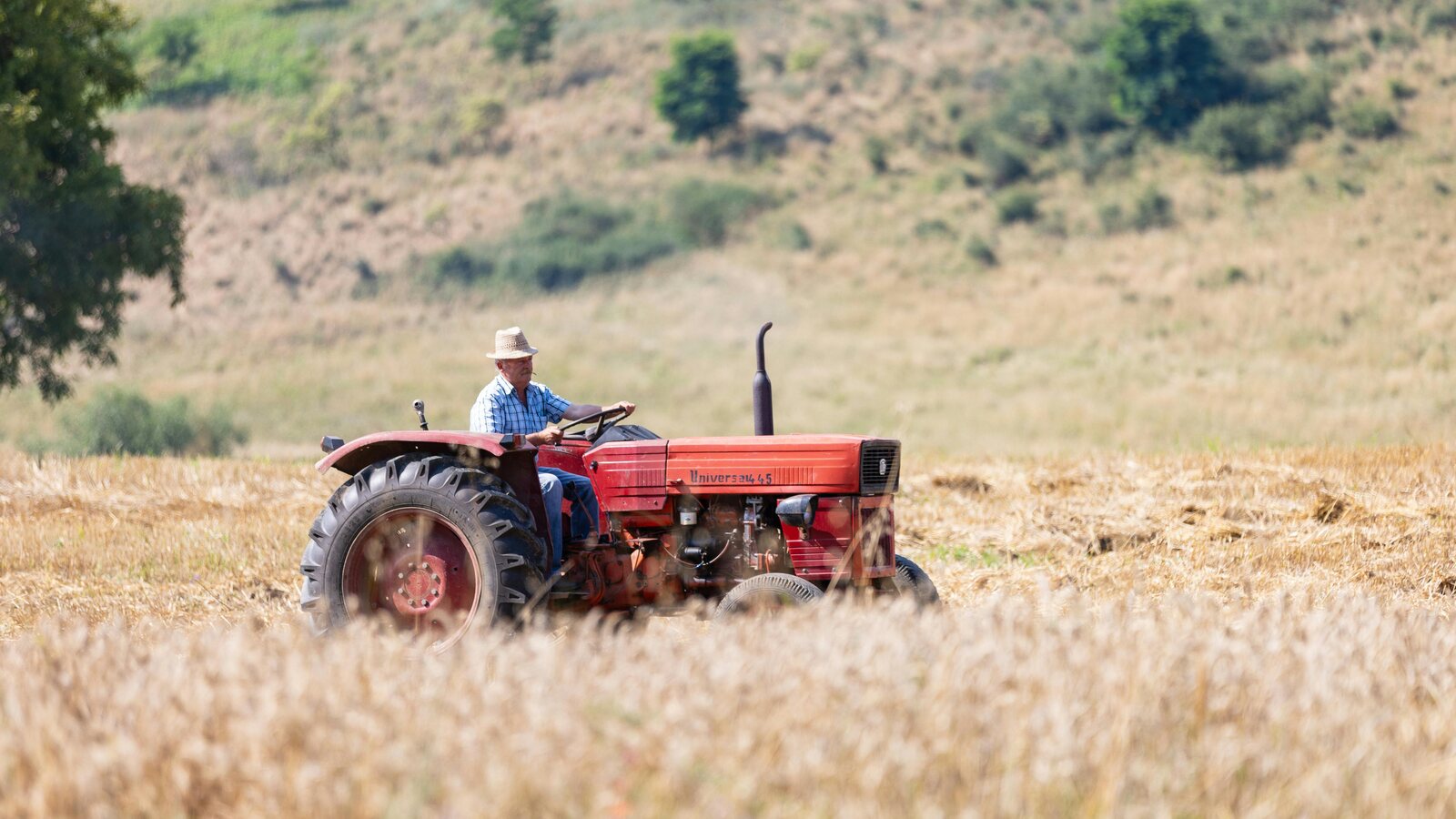
There was a time when operating farm machinery was largely a matter of stamina and keeping straight lines. If you could keep a tractor moving and follow a marker, you were qualified for the job. Today, stepping into the cab of a modern agricultural machine is more akin to entering the cockpit of a commercial aircraft. The equipment is highly sophisticated, intensely powerful, and exceptionally expensive. Employers across European agriculture no longer look merely for someone who can drive; they seek a skilled technician, an impromptu mechanic, a digital navigator, and an active participant in the farm's agronomic strategy.
For job seekers, understanding this shift is the key to securing the best positions and commanding higher wages. For employers, identifying operators who possess these extended capabilities means the difference between a season of costly breakdowns and a highly profitable, smoothly running harvest. A truly exceptional operator treats the machine not as a rented vehicle, but as a crucial instrument in a complex biological and economic process. This article explores the vital skills that elevate a standard tractor driver into an indispensable machinery operator.
Preventative Maintenance: The First Line of Defense
The most valuable operators possess an acute mechanical sympathy. They do not wait for a dashboard warning light to illuminate or a part to catastrophically fail before taking action. Instead, they practice rigorous preventative maintenance, understanding that an hour spent in the workshop or the yard at dawn can save days of crippling downtime during the peak of planting or harvesting.
Employers highly value professionals who treat daily checks as a sacred ritual rather than a tedious chore. This involves:
- Greasing the correct points daily to prevent friction wear.
- Checking all critical fluid levels, including engine oil, coolant, and hydraulics.
- Blowing out air filters to prevent engine overheating in dusty conditions.
- Inspecting belts, chains, and bearings for early signs of fatigue.
Beyond the checklist, it is about developing an ear for the machine. A skilled operator notices the subtle change in engine pitch, the unusual vibration in the floor pan, or the faint smell of hot hydraulic fluid. By catching a wearing bearing before it disintegrates and takes the rest of the housing with it, the operator directly protects the farm's bottom line.
Digital Fluency: Navigating the Precision Era
European agriculture is heavily digitized, driven by the need to maximize yields while strictly minimizing inputs to meet environmental standards and economic pressures. The cab is filled with monitors, ISOBUS terminals, and GPS guidance systems. An operator who is intimidated by touchscreens or unable to troubleshoot basic software glitches is at a severe disadvantage.
Modern operators must seamlessly integrate with precision farming tools. This means confidently setting up A-B lines, managing section control to avoid overlaps, and ensuring yield monitors or variable rate application maps are actively recording and reading data correctly. When the GPS signal drops or the implement fails to communicate with the tractor, the operator must know how to navigate the menus, reset connections, and diagnose basic electronic faults before halting the operation.
The Economics of Calibration
Driving straight is important, but applying the exact right amount of product is what pays the bills. Calibration is where the operator directly impacts the agronomic success of the crop. Whether it is a precision seed drill, a highly complex crop sprayer, or a fertilizer spreader, the machine must be perfectly calibrated to the specific conditions of the day.
A valued operator knows that seed size varies between batches, fertilizer density changes depending on humidity, and spray nozzles wear down over time. They take the initiative to perform catch tests, measure output, and adjust the monitors accordingly. If a sprayer is applying just five percent too much expensive fungicide over a thousand hectares, the financial loss is staggering. Employers trust operators who take personal responsibility for the accuracy of their work.
Soil Stewardship: Protecting the Primary Asset
It is easy to forget that the ultimate purpose of the machinery is to serve the soil. Heavy modern equipment poses a significant risk of soil compaction, which chokes root systems, prevents water drainage, and degrades field health for years. A top-tier operator is a steward of the soil, highly aware of how their machine interacts with the ground beneath the tires.
This awareness manifests in practical decisions. It means adjusting tire pressures between road travel and field work to widen the footprint and reduce ground pressure. It involves recognizing when the soil is too wet and having the courage to tell the farm manager that continuing to work will cause long-term damage. Employers respect operators who look behind the tractor just as often as they look ahead, constantly evaluating the quality of the work.
Field Troubleshooting and Autonomy
Agriculture does not happen in a controlled factory environment; it happens miles away from the main yard, often in challenging weather conditions. When something goes wrong, the ability to solve problems autonomously is a massive asset. Employers do not want an operator who stops work and waits for instructions at the first sign of a minor issue. It might involve:
- Unblocking a jammed baler without compromising safety protocols.
- Replacing a broken shear bolt on a plow or cultivator.
- Fixing a minor hydraulic leak in the field to prevent fluid loss.
- Cleaning a clogged sensor that is throwing an error code on the monitor.
The best operators carry a well-stocked toolbox and know how to use it. Equally important, however, is knowing one's limits—knowing exactly when a problem can be fixed in the field and when it is time to call the chief mechanic.
The Importance of Clear Communication
The image of the solitary tractor driver isolated in the cab all day is outdated. Today's operator is a crucial node in a complex logistical network. They must coordinate with truck drivers during harvest, communicate closely with the agronomist regarding field conditions, and provide clear, accurate reports to the farm manager.
Good communication means reporting not just what was done, but what was observed. Did a particular field have a sudden infestation of weeds? Were there wet spots that the drainage system failed to handle? Relaying this granular, ground-level intelligence helps the management team make better decisions and adapt the agronomic plan in real-time.
Safety: The Uncompromising Priority
Farm machinery is inherently dangerous. Long hours, tight weather windows, and powerful moving parts create an environment where a single lapse in concentration can be fatal. Employers increasingly prioritize safety records and safety attitudes above raw speed. A fast driver who takes unnecessary risks is a liability, not an asset.
A professional operator respects PTO shafts, always uses the correct locking pins, never bypasses safety switches, and maintains three points of contact when climbing in and out of the cab. They also manage their own fatigue. An operator who knows when to step out, take a walk, and drink some water demonstrates a maturity that employers deeply value.
Conclusion: Becoming the Backbone of the Farm
Ultimately, all these skills converge on one single, invaluable trait: trust. When a farm manager hands over the keys to a highly expensive machine, they are trusting that person with the farm's capital, its daily operational flow, and its future yield. An operator who demonstrates mechanical care, digital competence, agronomic understanding, and a safety-first attitude earns that trust rapidly.
For those building a career in agricultural machinery operation, mastering these areas is the pathway to senior roles, better compensation, and job security. By focusing on what happens beyond the steering wheel, operators transform themselves from simple drivers into the very backbone of the modern agricultural enterprise.