
Beyond the Field: What an Agronomist Really Does Today
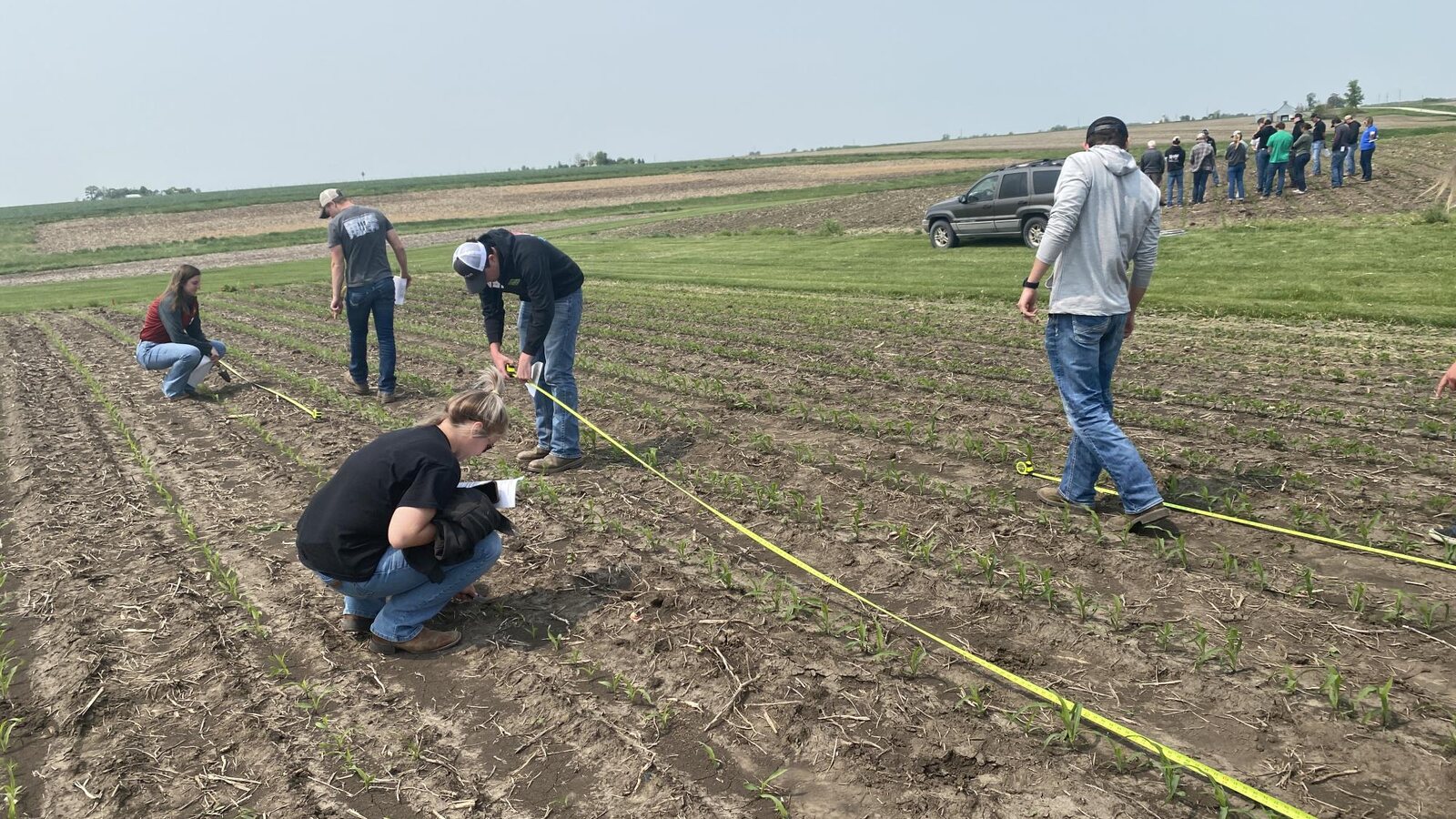
When many people picture an agronomist, they imagine a solitary figure walking through endless fields of wheat, occasionally kneeling to inspect a handful of soil. While being boots-on-the-ground remains a crucial part of the job, this romanticized image barely scratches the surface of what modern agronomy entails. Today's agronomists are part soil scientists, part data analysts, part economists, and part diplomats. They are the analytical engines driving agricultural operations, balancing the unpredictable forces of nature with the exactness of modern technology. In an era where farming margins are razor-thin and environmental stewardship is non-negotiable, the role of the agronomist has evolved from a simple crop advisor to a comprehensive risk manager and strategic director.
The Art and Science of Field Scouting
Scouting is the foundation of an agronomist's daily routine during the growing season. It is far more than just looking at plants; it is a systematic, highly observant process of diagnosing the health of a field. A skilled agronomist reads a field like a doctor reads a patient's chart. During a typical scouting session, an agronomist is evaluating:
- Pest pressure: Identifying specific insects at various life stages and determining if their populations exceed economic thresholds.
- Disease progression: Spotting early fungal spores or bacterial lesions before they ravage a crop.
- Weed competition: Noting which weed species are escaping early herbicide applications and adapting the strategy.
- Nutrient deficiencies: Interpreting leaf discoloration to differentiate between nitrogen, potassium, or sulfur shortages.
This process requires intense focus and a deep understanding of local ecology. The judgment made in the middle of a muddy field can save or cost a farming operation tens of thousands of euros. It is about knowing exactly when to intervene and, equally importantly, when to hold back and let the crop recover naturally.
Strategic Crop Planning and Rotations
Long before the first seed is sown, agronomists are deep into planning. Crop rotation is not just about alternating crops; it is a multi-year puzzle that balances soil health, moisture retention, weed resistance management, and market economics. An agronomist must consider the legacy of the previous crop. For example, understanding how the root structure of a deep-rooted cover crop will affect the compaction for next year's shallow-rooted cash crop. They analyze soil tests to map out fertility zones, calculating exactly how much phosphorus, potassium, or nitrogen needs to be replenished based on crop removal rates and yield goals.
This phase is heavily analytical, involving complex spreadsheets, historical yield data, and a deep dive into seed catalogs. They must select varieties with the right maturity dates, drought tolerance, and disease resistance packages tailored not just for a region, but for specific micro-environments on individual farms. The economic aspect is also paramount; they must balance the cost of premium seed genetics against the expected return on investment, taking into account current commodity prices and localized weather forecasts.
Managing Inputs: Fertilizers and Crop Protection
The management of agricultural inputs is where the financial and ecological stakes are highest. Agronomists design complex chemical and biological programs tailored to the specific needs of each field. This is not about applying a generic, one-size-fits-all formula; it is about surgical precision. When prescribing crop protection products, an agronomist rigorously evaluates the mode of action to prevent pests and weeds from developing resistance. They must understand the intricate chemistry of the tank mix: how different active ingredients interact, the ideal pH and hardness of the water, and the exact adjuvant needed to ensure a droplet adheres to a waxy leaf surface rather than bouncing off.
Furthermore, modern agronomists are the primary stewards of environmental safety. They ensure that applications respect buffer zones around waterways, manage drift by monitoring wind speeds, and carefully schedule applications to avoid times when beneficial pollinators, like bees, are active. There is also a growing shift towards biologicals and integrated pest management (IPM), requiring agronomists to stay educated on the latest microbial seed treatments and beneficial insect populations.
Precision Agriculture and Data Management
The stereotype of the dusty notebook has been replaced by the tablet, the smartphone, and the drone. Modern agriculture generates terabytes of data, and the agronomist is the primary interpreter of this digital harvest. Today's agronomy involves:
- Satellite and Drone Imagery: Utilizing NDVI maps to spot stress areas in a field weeks before they are visible to the naked eye.
- Variable Rate Technology (VRT): Creating prescription maps that dictate exact seed or fertilizer rates meter by meter.
- Yield Mapping: Analyzing harvest data to understand underperforming zones and adjust strategies.
Yield mapping is another critical data stream. Agronomists analyze harvest data to understand why a specific corner of a field underperformed and adjust the strategy for the following year. However, the true challenge lies not in gathering data, but in data interoperability and interpretation. An agronomist must translate this overwhelming stream of digital information into actionable, profitable decisions. They serve as the essential bridge between silicon-valley tech innovations and the dirt-under-the-fingernails reality of daily farming operations.
The Unsung Hero: Record Keeping and Compliance
Behind every successful crop is a mountain of necessary paperwork. European agriculture is highly regulated, and agronomists shoulder much of the compliance burden. They maintain meticulous records of what was applied, when, where, in what concentration, and by whom. These records are essential not just for passing stringent government audits and fulfilling food traceability programs, but also for the farm's own internal learning loop. In the era of carbon credits and sustainability certifications, this data has become a currency of its own.
Good record-keeping allows an agronomist to look back at a previous season and definitively analyze why a particular strategy succeeded or failed. It turns anecdotal memory into hard, empirical data. This is the only reliable way to improve margins year over year. A modern agronomist is as comfortable navigating compliance software as they are walking a muddy furrow.
Communication: The Human Element
Perhaps the most underrated, yet absolutely essential, skill of a successful agronomist is communication. An agronomist rarely works in isolation. They must clearly, simply, and persuasively explain complex technical recommendations to farm owners or corporate managers who are keeping a tight eye on the budget. They often have to deliver bad news, such as a crop failure due to unforeseen weather, and immediately pivot to proposing a recovery strategy.
They must also coordinate effectively with farm staff and machine operators, ensuring that the person in the tractor cab fully understands the nuances of an application prescription. If an agronomist cannot build trust and communicate effectively, even the most scientifically brilliant crop plan will fail in its execution. They often act as the calm center during the chaotic, high-stress periods of planting and harvest, managing expectations, mediating conflicts, and reassuring stakeholders when weather throws a curveball.
The Rhythms of the Seasons
The professional life of an agronomist is deeply dictated by the seasons, creating a highly dynamic work environment that drastically shifts in focus throughout the year:
- Winter: The season of deep analysis, reviewing yield data, writing crop plans, and pre-ordering inputs.
- Spring: The frantic rush of planting, monitoring soil temperatures, calibrating planters, and timing early weed control.
- Summer: The core scouting season, spent mostly outdoors monitoring crop development and managing sudden pest outbreaks.
- Autumn: Harvest and soil preparation, taking soil samples, and planting cover crops.
Evolving Career Paths in Agronomy
The highly diverse, modern skill set of an agronomist opens doors far beyond the traditional role of a local farm advisor. The profession has branched out into numerous specialized and lucrative career paths. Many transition into agri-tech product management, leveraging their field experience to help software companies design better, more intuitive digital tools for farmers. Others move into supply chain sustainability, working directly with major international food brands to ensure their agricultural raw materials are grown using verifiable regenerative practices.
There are also growing roles in agricultural finance, where an agronomist's unique ability to assess field-level biological and weather risks is invaluable to insurance companies, banks, and private equity firms investing in farmland. Finally, specialized research agronomists work on the cutting edge of biologicals, soil microbiology, and plant genetics, developing the next generation of climate-resilient crops. Being an agronomist today means being an essential, highly respected node in the global food network. It requires a resilient spirit, a sharp analytical mind, and an enduring respect for the land.