
How to Choose the Right Country for Agricultural Work in Europe
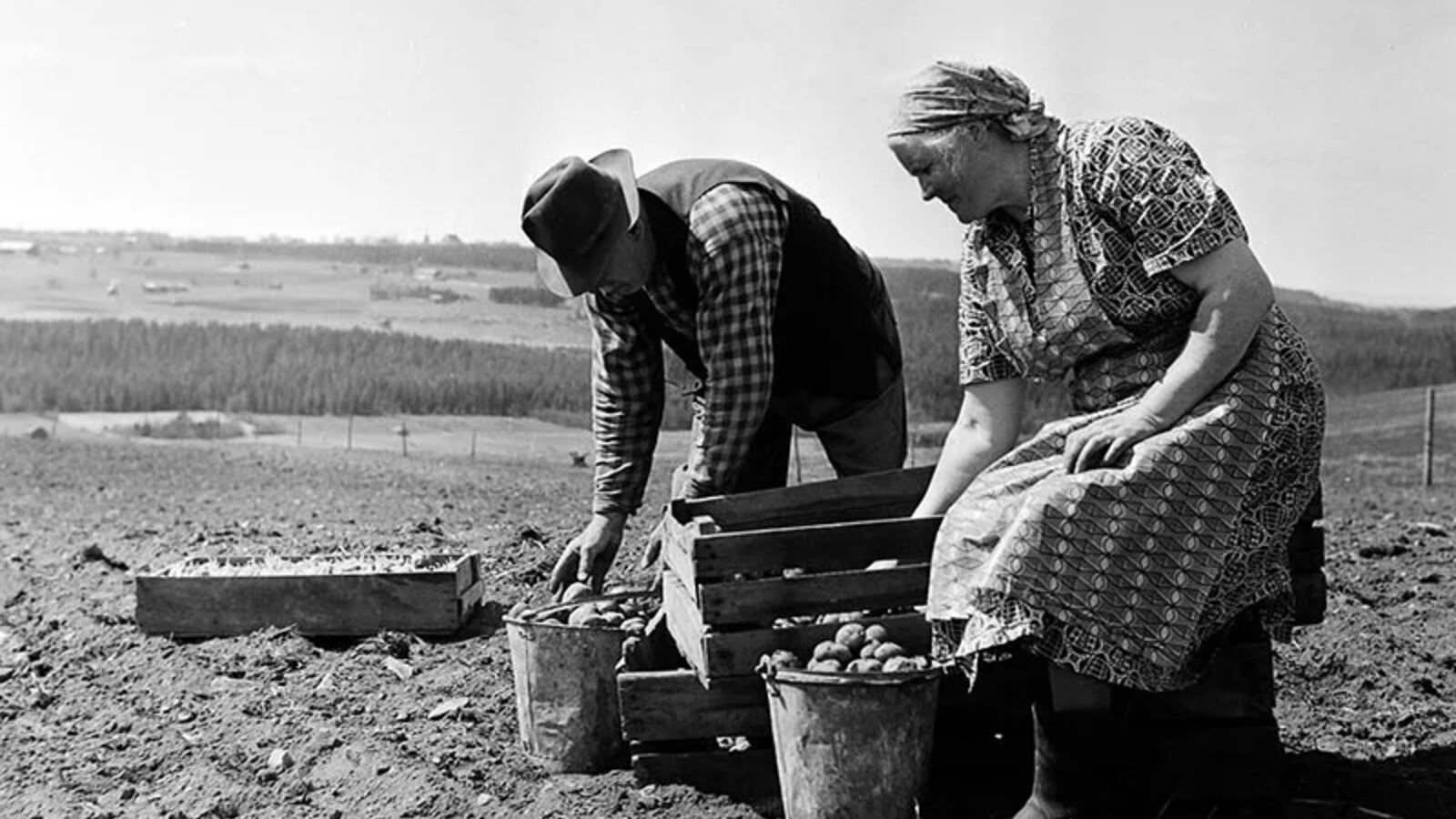
The Reality of the European Harvest
Making the decision to pack your bags and move across borders for agricultural work is never simple. Whether you are an experienced tractor driver, a seasonal harvest worker, or a logistics manager in the agri-food sector, the country you choose will dictate your daily rhythm, your financial outcomes, and your overall quality of life. The European agricultural landscape is vast and varied. It goes far beyond the simplistic view of picking fruit. Modern European farming is a highly structured, technically demanding industry that requires stamina, adaptability, and clear planning.
Many candidates make the mistake of looking only at the highest hourly wage on paper. However, experienced agricultural workers know that the true value of a contract is found in the details: the length of the season, the cost and quality of housing, the working conditions, and the taxes deducted. A slightly lower hourly rate in a country with affordable housing and long, stable working hours often results in more savings than a high-paying job in a region with unpredictable weather and expensive rent. This guide breaks down the major agricultural hubs in Europe, helping you align your personal goals with the right environment.
The Rhythm of the Seasons: Open Fields vs. Greenhouses
Agriculture is governed by the seasons, and every European country has its own distinct harvest calendar. Understanding this calendar is the first step in planning your career or your seasonal employment strategy.
In northern and central Europe, the open-field harvest season is highly concentrated. It begins with the early spring asparagus and strawberries, moves into summer berries and stone fruits, and concludes with the heavy autumn harvests of apples, pears, root vegetables, and wine grapes. If you are looking for short, intense periods of work to maximize earnings in a few months, these concentrated seasons are ideal.
Conversely, if you seek year-round stability, you must look toward countries that have heavily invested in indoor farming and climate-controlled agriculture. Here, the traditional seasons do not apply. Tomatoes, cucumbers, flowers, and mushrooms are cultivated twelve months a year. Choosing between open-field work and greenhouse work is a fundamental decision: open-field work offers fresh air but relies heavily on the weather, while greenhouse work provides steady hours but can be physically demanding due to heat and high humidity.
Germany: High Efficiency, Strict Rhythms, and Short Seasons
Germany is the powerhouse of European seasonal agriculture. Every year, hundreds of thousands of workers arrive to assist with the famous Spargel (asparagus) and strawberry harvests, followed by wine grapes and hops. German farms are renowned for their high levels of organization, strict adherence to labor regulations, and highly structured daily routines.
The working environment: Work in Germany is often characterized by high intensity. The asparagus season, for example, is notoriously brief but requires long hours, often starting before dawn. Farms are highly mechanized and operate with incredible efficiency. For workers with high physical endurance and a strong work ethic, piece-rate bonuses can significantly increase daily earnings.
Pros and cons: The primary advantage of Germany is the earning potential during peak seasons and the reliability of large farming enterprises. Employers typically provide housing on-site, in the form of dormitories or container villages, which simplifies logistics. However, the work is extremely weather-dependent, and the culture on the field can be strict. Unless you speak German, advancing beyond a manual labor role to a supervisory or technical position can be challenging, though not impossible.
The Netherlands: High-Tech Farming and Year-Round Contracts
The Netherlands is a global leader in agricultural technology. Despite its small geographic size, it is an agricultural giant, heavily reliant on massive, high-tech glasshouses. If you want to escape the unpredictability of rain and frost, the Netherlands is the premier destination.
The working environment: Work in Dutch greenhouses involves caring for and harvesting vegetables like tomatoes and bell peppers, cultivating ornamental flowers, or picking mushrooms. The environment is strictly controlled. You will often work with specialized harvesting carts, automated tracking systems, and strict hygiene protocols. The work is steady and less seasonal than in Germany, offering opportunities for contracts that last most of the year.
Pros and cons: The biggest advantage of the Netherlands is stability. Rain or shine, the work continues. Furthermore, English is universally spoken, making it incredibly easy to communicate with supervisors and integrate into multinational teams. However, the cost of living in the Netherlands is high. Housing is heavily regulated and often expensive, meaning a significant portion of your salary may go toward rent and mandatory health insurance. The greenhouse climate, being warm and humid, is also not suitable for everyone's health.
Poland and Central Europe: Broad Opportunities and Steady Growth
Poland bridges the gap between Eastern and Western Europe and boasts one of the largest agricultural sectors on the continent. Known for its vast apple orchards in Grójec and extensive berry plantations, Poland offers a rhythm that is often less frantic than the German harvest. Alongside Poland, neighboring countries like Czechia are quietly offering highly competitive agricultural environments. Czech farming is characterized by large-scale mechanized agriculture, hops production, and strong forestry.
The working environment: Farms in this region range from traditional family-run enterprises to large commercial operations. The work here frequently demands a broader skill set. A worker on a Polish or Czech farm might pick fruit during the peak season but also assist with sorting, packing, or operating small machinery. There is a continuous demand for skilled tractor operators, mechanics, and livestock specialists, providing a pathway out of purely manual labor.
Pros and cons: For workers from Eastern Europe, the linguistic and cultural similarities make Poland and Czechia incredibly attractive. The languages are easier to grasp, accelerating the transition to leadership or specialized roles. Furthermore, the cost of living is noticeably lower than in Western Europe. While nominal hourly wages might appear lower on paper than in the Netherlands, the ratio of earnings to local living expenses often balances out favorably. This region is particularly well-suited for professionals looking for long-term integration rather than a brief, exhausting seasonal sprint.
The Logistics of Living: Housing, Commuting, and Community
When choosing a country, you are also choosing a living situation. The logistics of your daily life will heavily impact your overall satisfaction and your ability to save money. Always evaluate the complete package being offered by an employer or agency.
- Housing: Does the farm provide accommodation, or must you find your own? In Germany, on-site farm housing is common. In the Netherlands, temporary employment agencies usually manage housing in centralized parks, requiring a daily commute. Understand exactly how much will be deducted from your salary for rent and utilities.
- Transport: How will you get from your bed to the field? If housing is far from the farm, ensure that the employer provides reliable transport. Furthermore, consider your access to local towns. Being stranded on a remote farm without a car can make grocery shopping and personal errands highly stressful.
- Community: Rural isolation is a real challenge in agriculture. Consider whether you prefer the quiet solitude of a remote farm or the more communal atmosphere of shared housing complexes near urban centers.
The Language Factor: Navigating Multinational Crews
Your ability to communicate will dictate your career trajectory in European agriculture. If your goal is strictly short-term harvest work, language skills are less critical. Field instructions are often translated by bilingual crew leaders, and the tasks are physically straightforward.
However, if you want to operate expensive machinery, work as a herd manager, or lead a team of workers, language becomes the most important tool in your arsenal. The Netherlands is unique in that a strong command of English can carry you very far, even up to management levels. In Germany, France, or Czechia, learning the local language is absolutely essential for promotion. Moving from a general laborer to a specialist role requires understanding safety protocols, chemical mixing instructions, and complex operational software, all of which are usually in the native tongue.
Making the Right Choice for Your Agricultural Career
Choosing the right country for agricultural work requires honest self-assessment. There is no single best country; there is only the best fit for your current situation.
If your goal is to earn as much money as possible in a very short time, and you possess immense physical stamina, the intense harvest seasons of Germany might be your best choice. If you want year-round stability, a predictable indoor environment, and prefer communicating in English, the Dutch greenhouses are calling. If you are looking for a longer-term cultural fit, manageable living costs, and an easier linguistic transition from Eastern Europe, Poland and Central Europe stand out as optimal destinations.
Research thoroughly, ask employers detailed questions about housing and deductions, and consider your long-term health and career aspirations. European agriculture is a diverse and rewarding field for those who approach it with clarity, preparation, and a strong work ethic.