
US Senate GOP Unveils 2026 Farm Bill: Implications for EU Agricultural Policy
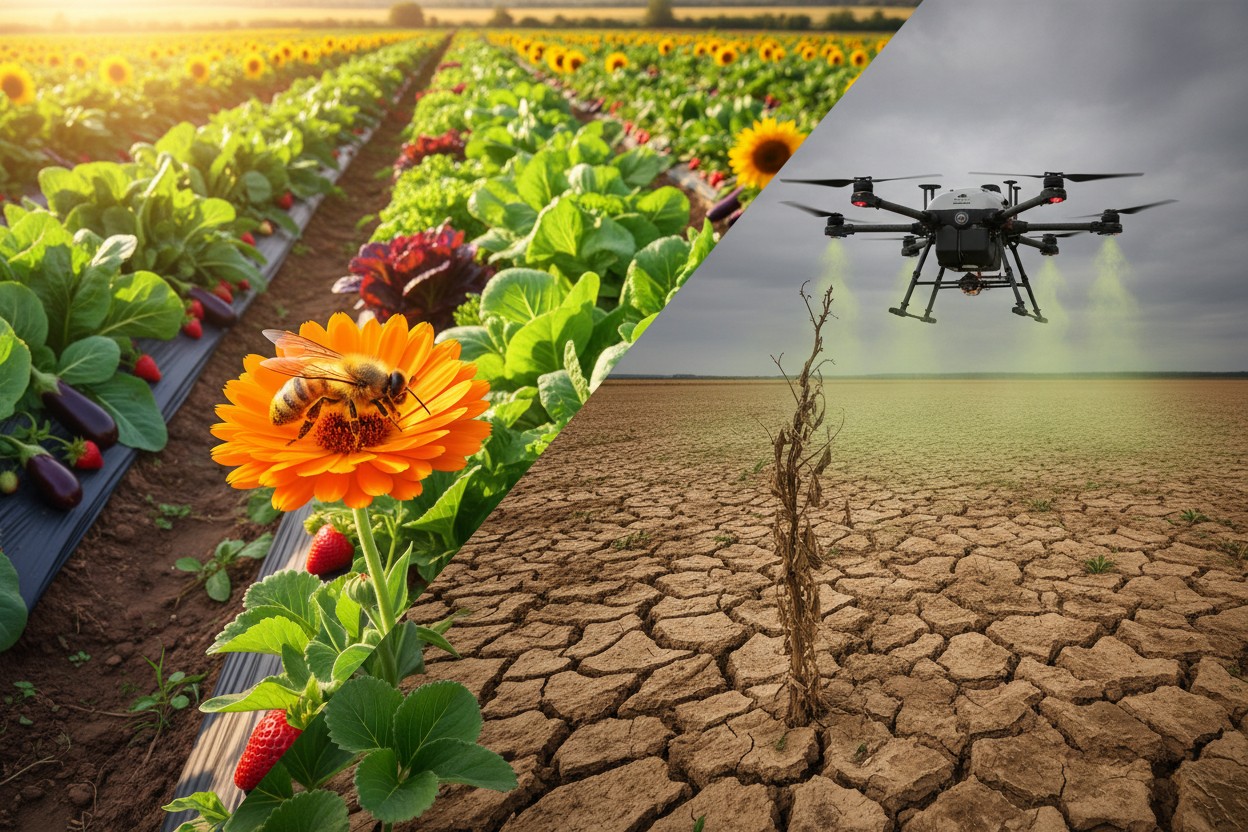
Senator John Boozman, the ranking member of the Senate Agriculture Committee, has introduced the Agricultural Act of 2026, marking a significant step in the U.S. legislative cycle. The proposal emphasizes a pivot toward bolstering production capacity and securing safety nets for American farmers. However, the bill has drawn immediate scrutiny from environmental groups and health advocates who argue that the proposed changes could undermine long-standing conservation and nutrition standards.
For European farmers and industry stakeholders, this legislation is more than just domestic American policy. The U.S. Farm Bill sets the tone for global commodity market trends. By potentially loosening environmental regulations in favor of higher yield targets, the U.S. strategy might create a competitive disparity, particularly regarding the export of grains, oilseeds, and livestock products to third-party markets.
The bill’s approach to climate-smart agriculture is a point of divergence. While European farmers navigate the strict mandates of the Common Agricultural Policy (CAP) and the Green Deal, including heavy compliance costs for soil health and emissions, the American approach leans toward market-based voluntary programs. If the U.S. reduces its own green requirements, it could lower production costs for American growers, exerting downward pressure on global prices.
Furthermore, the legislative process in the U.S. Senate often influences international trade negotiations. Changes in subsidy structures, particularly those involving crop insurance and market facilitation payments, are frequently monitored by the World Trade Organization. European producers should be aware that if this bill passes with its current focus on maximizing output, it could shift the strategic planning of global supply chains for the next several years.
Context for farmers: While this bill is specific to the U.S., it serves as a bellwether for global commodity pricing and trade standards. European producers should anticipate increased competition in export markets and monitor how these shifts influence upcoming international agricultural trade discussions.
— agronom.work editorial team