
The Hype Era is Over: Agricultural Robotics Must Prove Cost-Per-Hectare Value
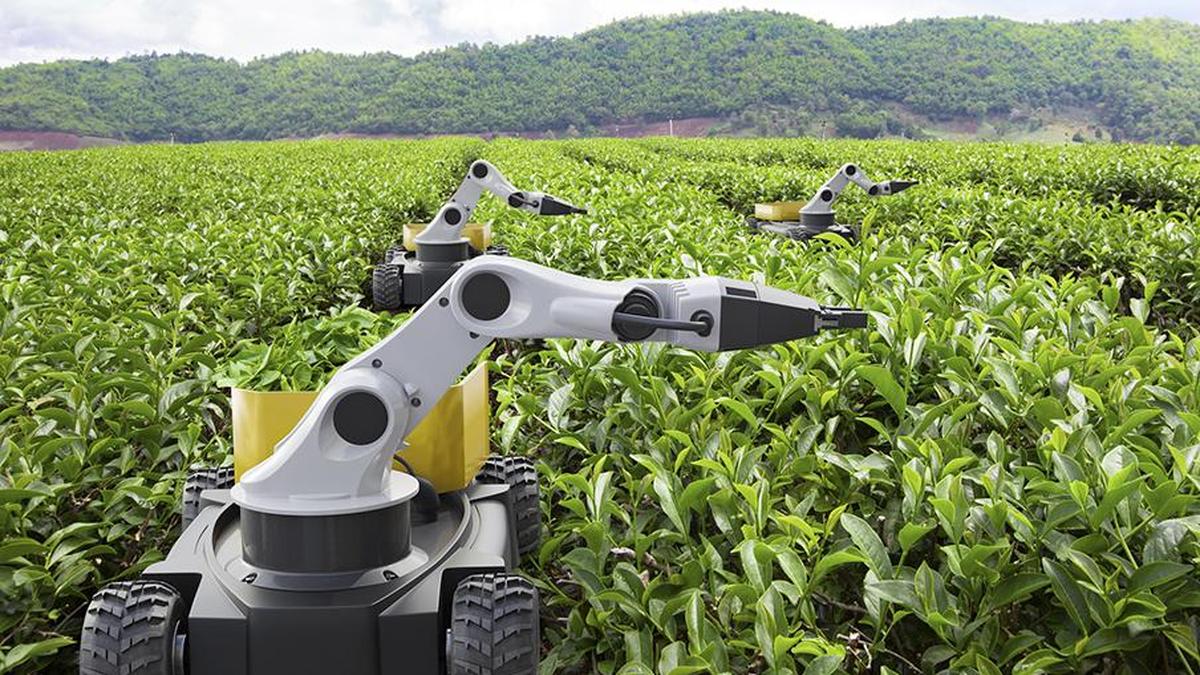
The agricultural robotics sector is undergoing a massive reality check. After years of generous venture capital funding and celebrated pilot programs, the era of relying purely on technological hype is coming to an end. From the bustling tech hubs of India to the established agritech centers in Europe, manufacturers are realizing that flashy prototypes are no longer enough to secure sales.
For years, the industry promised a revolution: autonomous tractors, laser weeders, and robotic fruit pickers that would solve the chronic labor shortages plaguing modern agriculture. However, as these machines hit the market, farmers quickly discovered that adoption is not just about capability, but about economic viability. If a robot cannot perform the task cheaper, faster, or more reliably than traditional methods, its place on the farm is hard to justify.
This global shift—highlighted by recent trends in emerging markets like India, where local startups are being forced to prove their worth domestically before expanding—mirrors the exact sentiment of European farmers. In countries like Germany, Poland, and the Netherlands, where labor costs are high and environmental regulations are strict, the demand for automation is real. Yet, farm margins remain too tight for speculative investments.
The new benchmark for agricultural robotics is no longer innovation for its own sake, but demonstrable "cost-per-hectare" value. Manufacturers must now provide transparent data on return on investment (ROI), maintenance costs, and integration seamlessly with existing farm management systems. A robot that requires constant human supervision or frequent repairs quickly negates any theoretical savings.
Ultimately, the burden of proof has shifted entirely onto the developers. To win over the modern agronomist and farm manager, agritech companies must deliver robust, field-tested equipment that works reliably under harsh conditions. The successful machines of tomorrow will be those that quietly and efficiently lower the operational cost per hectare, without the need for constant troubleshooting.
Context for farmers: When evaluating new robotic equipment, demand clear, independent data on cost-per-hectare savings rather than theoretical maximum yields. Ensure that service contracts and maintenance are factored into the ROI calculation before making any purchasing decisions.
— agronom.work editorial team