
Agrivoltaics Research: Purdue Corn and Soybean Trials Show Minor Yield Losses
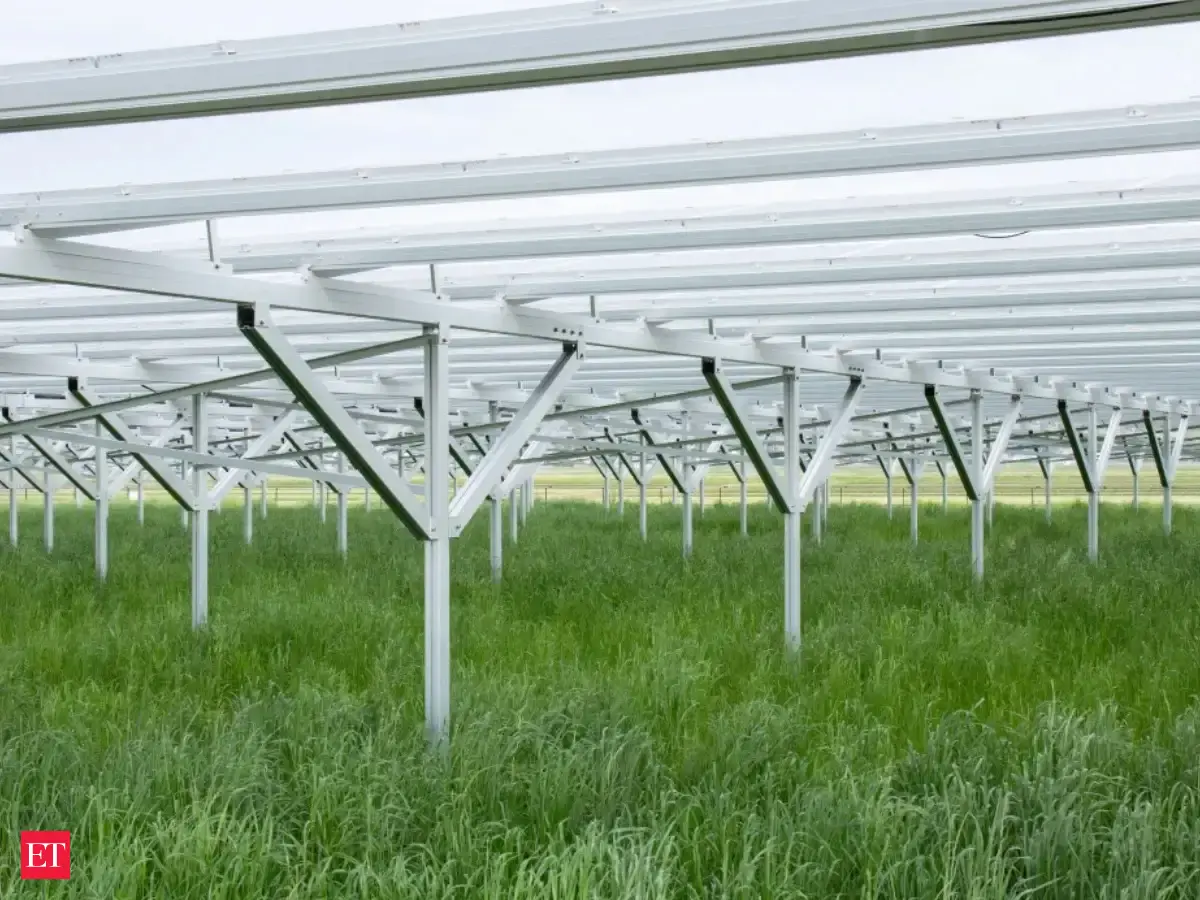
Integrating renewable energy generation with traditional crop production has long sparked debate among farmers, landowners, and energy developers over land competition. At Purdue University in Indiana, researchers initiated a comprehensive agrivoltaics study in 2019 to evaluate the real-world impact of solar panel shading on row crops. By cultivating corn and soybeans around photovoltaic installations, the project aimed to measure whether dual land use could remain economically viable without catastrophic drops in agricultural output.
Over the course of a four-year monitoring period, the research team analyzed how different levels of shade influence plant development, biomass accumulation, and final harvest quantities. Corn and soybeans represent the backbone of Midwestern agriculture, making them ideal benchmark crops for evaluating the resilience of modern cultivars under altered microclimates. While solar panels naturally intercept a portion of direct sunlight, crops adjust their physiological processes to cope with reduced radiation, balancing vegetative growth and reproductive success.
The findings offer encouraging data for agrivoltaics advocates across the globe, including European regions increasingly exploring dual-use frameworks. Even within the most heavily shaded plots directly adjacent or underneath the tracking arrays, corn yields experienced a reduction of just 7.7 percent over the trial period. Soybeans demonstrated similar adaptability, proving that modern agronomic practices can successfully accommodate clean energy infrastructure without sacrificing the productive capacity of arable land.
As European Union member states face mounting pressure to expand solar generation capacities while preserving high-value agricultural soils, agrivoltaics presents a compelling technical compromise. Farmers and landowners in countries like Germany, Poland, and the Netherlands are increasingly approached by renewable developers seeking lease agreements. Knowing that staple row crops can maintain near-normal productivity under photovoltaic arrays helps mitigate fears of permanent crop land loss and supports long-term farm income diversification.
However, successful large-scale adoption of agrivoltaics requires careful planning regarding machinery access, tillage operations, and irrigation management. Solar panel mounting structures must be engineered with sufficient ground clearance and row spacing to allow standard tractors, sprayers, and combine harvesters to navigate the plots efficiently. Furthermore, legal frameworks and grid connection logistics across Europe will dictate how quickly farmers can transition from pure crop production to integrated energy-agriculture systems.
Context for farmers: Agrivoltaics offers a viable pathway to diversify farm revenue through lease payments without severely compromising crop output, provided that machinery clearance and layout designs are planned carefully from the outset.
— agronom.work editorial team