
Agrivoltaics: Why Solar Panels Might Actually Boost Your Tea Yields
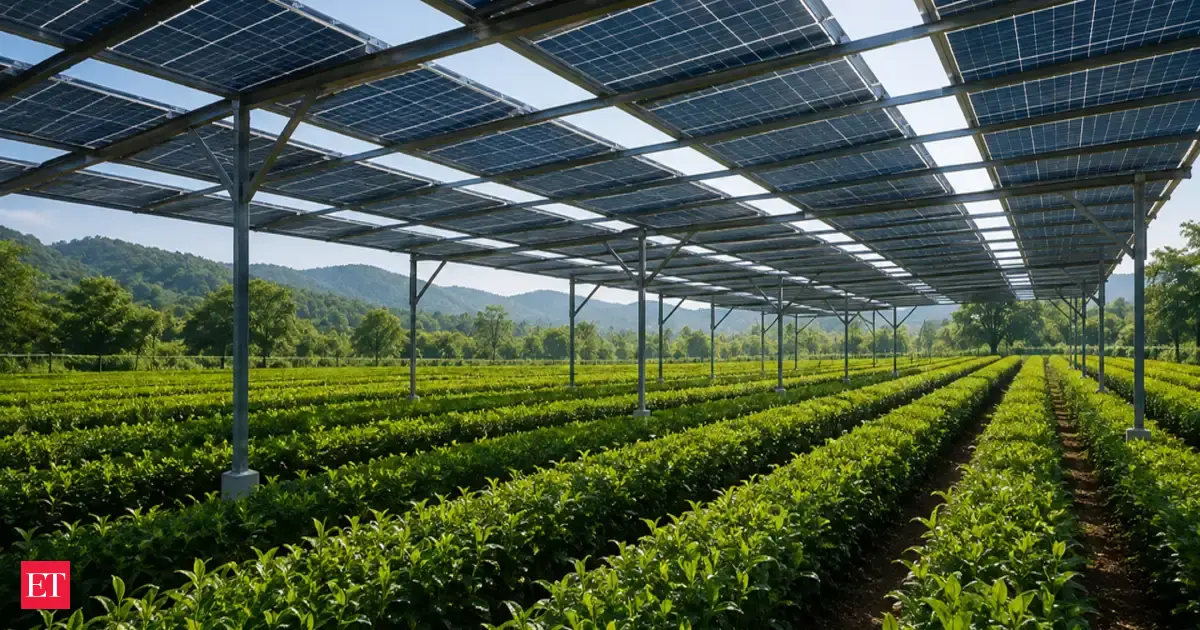
In a recent experiment conducted in Hangzhou, China, researchers explored the intersection of renewable energy and commercial crop production. By installing photovoltaic panels over tea plantations, the team observed a counterintuitive result: fresh leaf yields increased by 15.3% despite a significant reduction in direct sunlight.
The key to this phenomenon lies in microclimate modification. Tea bushes are susceptible to photo-inhibition and heat stress during the peak hours of the day. The solar panels effectively acted as a canopy, shielding the plants from excessive solar radiation and managing canopy temperatures, which in turn optimized the photosynthetic efficiency of the bushes.
For European growers, this study provides a new perspective on agrivoltaic systems. While traditional wisdom suggests that shading crops inherently lowers biomass, these findings suggest that in regions experiencing increasing summer heat waves or high ultraviolet exposure, controlled shading can stabilize yields.
Adopting such technology involves a significant shift in infrastructure. The setup requires elevated panel mounts that allow for machinery access beneath, ensuring that harvesting and maintenance activities remain viable. While the capital investment for specialized racking is high, the potential for dual-income streams—from energy production and agricultural output—could improve the long-term ROI of marginal lands.
Context for farmers: While tea is a specialty crop, the biological principles of reduced photosynthetic stress apply to various heat-sensitive plants in Europe. If you are considering agrivoltaics, focus on how site-specific microclimate management might mitigate climate-induced yield loss in your specific rotation.
— agronom.work editorial team