
Agrivoltaics breakthrough: Puglia vineyard sees 277% grape yield surge
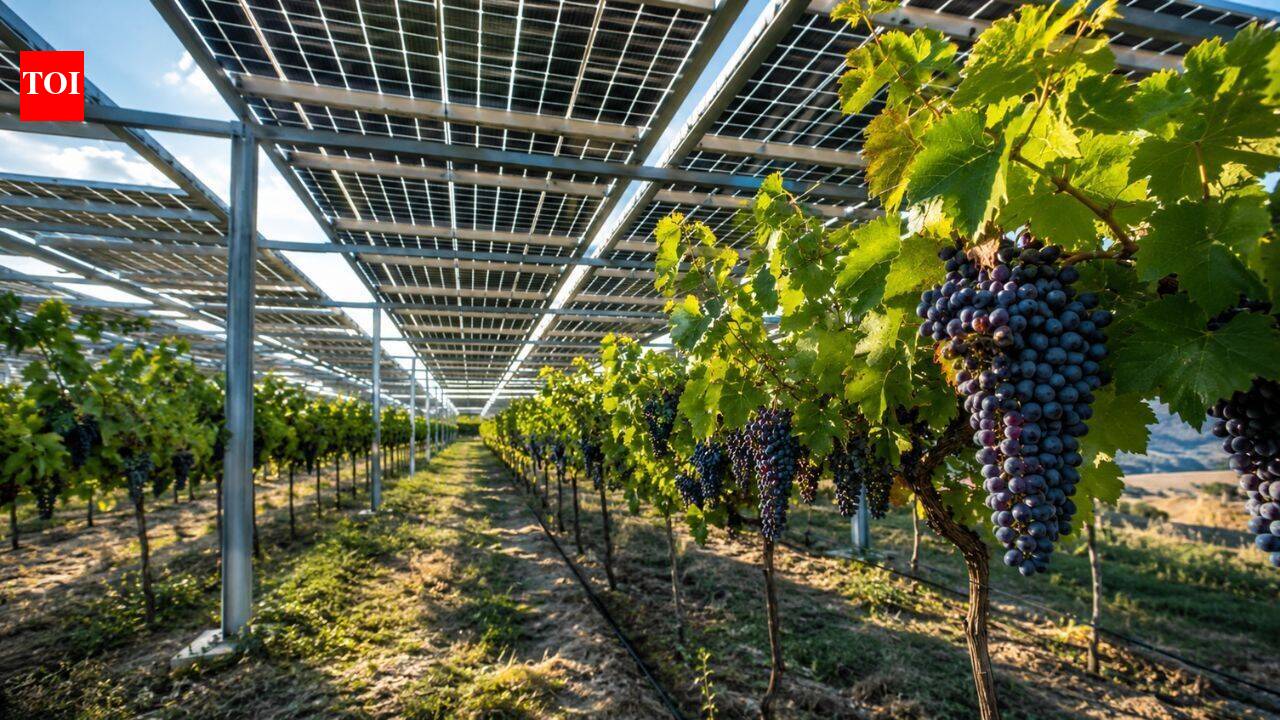
In a pioneering study conducted in the Puglia region of Italy, researchers observed a dramatic shift in viticulture productivity by integrating solar panels directly above vineyard rows. While conventional wisdom dictates that vines require maximum unobstructed sunlight for optimal ripening, the results showed a staggering 277% increase in grape production under the photovoltaic installation.
The study highlights the potential of agrivoltaics—a practice where land is simultaneously used for energy generation and crop cultivation. In the intense heat of Southern Italy, the solar panels acted as a buffer, reducing heat stress on the vines and optimizing the microclimate during the most critical growth stages. This protection likely prevented dehydration and slowed excessive transpiration, allowing the plant to redirect energy toward berry development.
For European growers, this offers a compelling solution to the dual challenge of escalating energy costs and climate change. By providing shade during increasingly frequent heatwaves, farmers can protect sensitive crops while securing a secondary income stream through clean energy production, effectively hedging against market volatility in the wine sector.
However, implementation requires careful planning regarding infrastructure costs and tractor accessibility. The Italian example suggests that the long-term ROI is not just found in electricity sales, but in the biological performance of the vines themselves, provided the shade levels are calibrated to the specific grape variety and regional light intensity.
What this means for the market: This data suggests that agrivoltaics could transform marginal or drought-prone lands into high-yield, energy-generating assets. Farmers should investigate local subsidies for renewable infrastructure, as the combined benefit of yield protection and energy production could significantly shorten the payback period for such investments.
— agronom.work editorial team