
Agrivoltaics in Practice: Dairy Farmer Blends Solar Power with Hay and Tractor Access
Integrating renewable energy generation with active agricultural land use has long been a subject of theoretical debate among agritech specialists and farm operators. While many producers view solar installations as a direct loss of productive acreage, recent real-world implementations in regions like New York state demonstrate that thoughtful engineering can bridge the gap between clean energy goals and farm productivity.
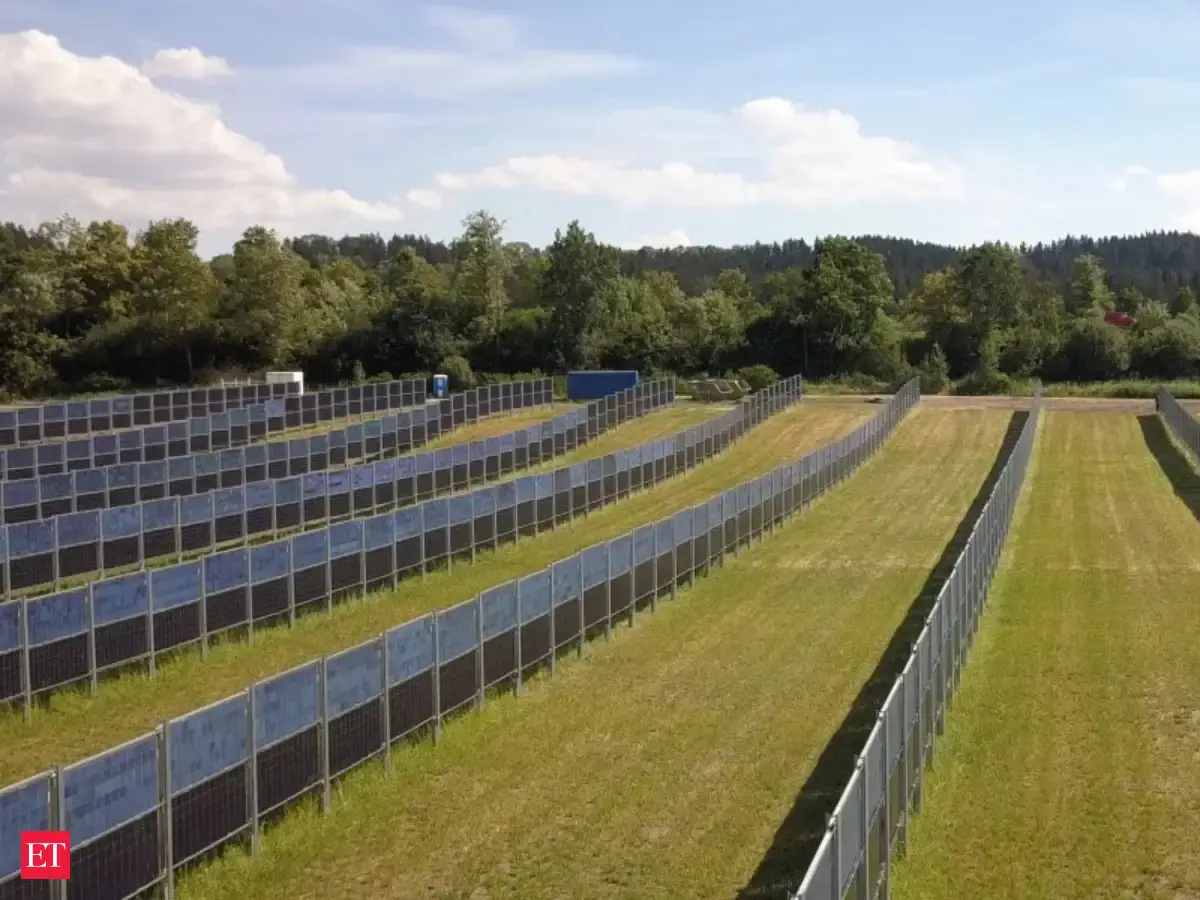
A notable project involving a dairy farmer in New Bremen showcases how careful planning can alter the traditional layout of photovoltaic arrays. Instead of the standard, densely packed rows that render mechanical field work nearly impossible, this 6.5-megawatt installation utilized wider spacing between panels. This deliberate design adjustment allows standard farm tractors and harvesting equipment to pass safely between the structures.
For dairy operations, securing a steady supply of high-quality forage remains a constant logistical priority. In this specific setup, the land beneath and around the elevated solar panels is successfully utilized for growing and harvesting hay. Rather than sacrificing feed production for lease payments, the farmer manages to maintain dual-use productivity on the exact same acreage.
As European and North American farmers increasingly face economic pressures, volatile energy costs, and shrinking margins, solar leasing offers a predictable supplementary revenue stream. However, traditional configurations often force producers to choose between agricultural yields and energy income, frequently leading to friction within rural communities where prime arable land is seen as too valuable to cover in silicon and steel.
Agrivoltaics addresses this dilemma by optimizing land utilization, though initial capital expenditures and engineering adjustments require close collaboration between developers and agronomists. For farms operating heavy machinery, ensuring adequate turning radii, proper clearance heights, and resistant cabling is critical to preventing operational bottlenecks during peak harvest windows.
Context for farmers: Exploring agrivoltaic partnerships can provide reliable long-term income without completely sacrificing forage or crop production, provided that infrastructure layouts accommodate your specific machinery dimensions and harvesting schedules.
— agronom.work editorial team