
Agrivoltaics: Solar shading slashes apple sunburn losses
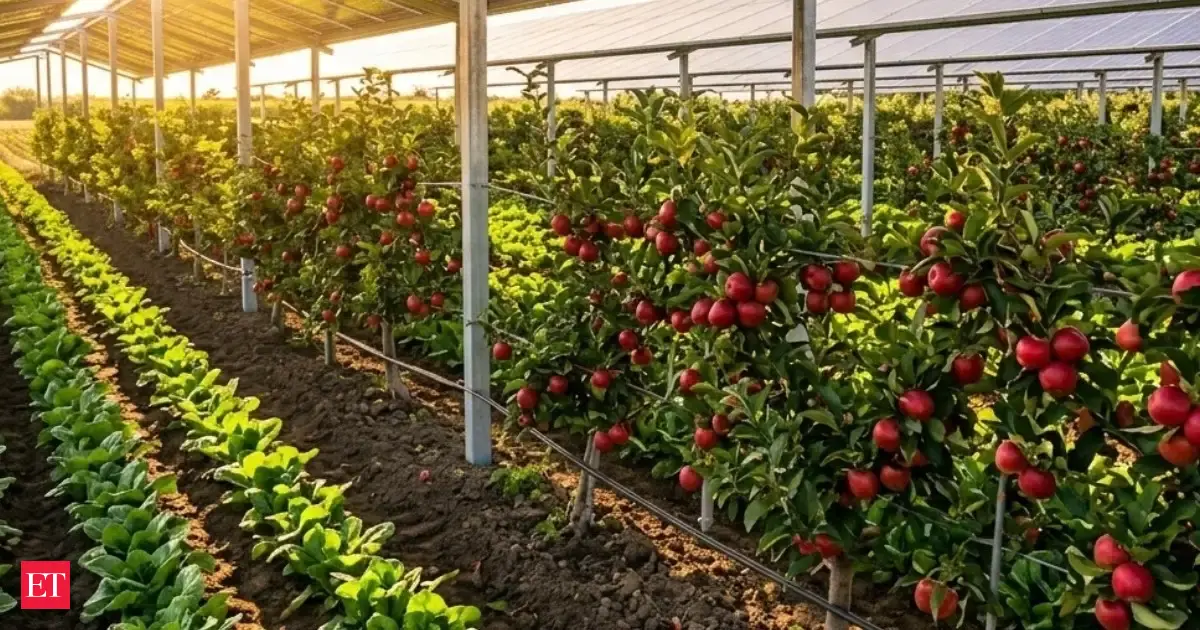
Orchard managers are increasingly facing the dual challenge of protecting high-value crops from climate-induced heat stress while seeking sustainable energy solutions. A recent study conducted in France demonstrates that agrivoltaics—the dual use of land for solar energy and farming—can serve as a powerful mitigation tool against extreme heat, which has become a growing threat to European fruit yields.
During the 2022 growing season, which was characterized by intense heatwaves across Europe, researchers observed a significant disparity between exposed and shaded apple trees. In sections without any overhead protection, 13% of the apple harvest was lost to solar radiation-induced sunburn, a condition that renders fruit unmarketable for the premium fresh market and forces growers to redirect products to low-margin processing channels.
By contrast, trees positioned beneath overhead solar panels saw their sunburn damage drop to a mere 2%. The physical shade provided by the panels acted as a barrier against peak thermal radiation, maintaining lower surface temperatures on the fruit. Beyond protecting the skin of the apples, this setup provides a microclimate that can potentially reduce the water requirements of the trees during peak transpiration periods.
For apple growers in regions like Poland or Germany, where late-summer heatwaves are becoming more frequent, this technology offers a way to stabilize yields. While the primary goal of such systems is often renewable energy generation, the secondary benefit of crop protection may justify the significant initial capital expenditure required for elevated mounting structures in orchards.
Practical takeaway: Investing in agrivoltaic systems can significantly mitigate crop loss due to heatwaves, effectively insuring your high-value apple harvest against increasingly volatile summer weather while diversifying farm income through energy production.
— agronom.work editorial team