
AI in Agriculture: Can European Farmers Trust Predictive Yield Models?
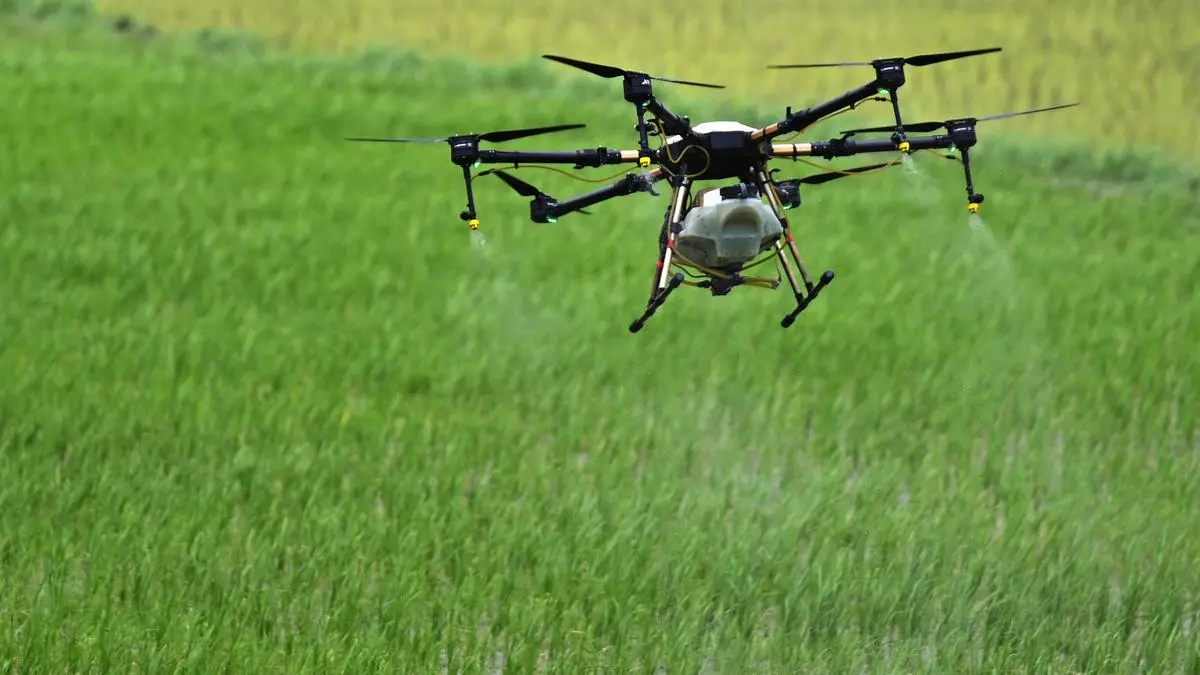
Artificial intelligence is rapidly reshaping the agricultural landscape across Europe, transitioning farming from a reactive vocation into a high-tech, predictive industry. Modern agritech platforms now promise precise yield forecasts, optimal harvest windows, and automated disease tracking based on satellite imagery, weather telemetry, and historical field data. For commercial farms operating in Poland, Germany, the Netherlands, and beyond, these tools offer the alluring prospect of maximizing efficiency, optimizing fertilizer inputs, and securing better forward-contracts with food processors and grain traders.
However, the rapid adoption of predictive models has laid bare a fundamental operational challenge: trust. Unlike digital marketing or e-commerce, where an algorithmic error means a misplaced ad, a bad prediction in agriculture can cost a farmer an entire season's margin. When an AI system incorrectly estimates a crop's protein content or projects a premature maturity date, the financial consequences ripple directly through supply chains, affecting storage logistics, input purchasing, and contractual obligations with grain elevators and buyers.
This trust deficit is particularly pronounced when proprietary algorithms function as black boxes. Agronomists and farm managers working with complex crop rotations often struggle to understand why a software platform recommends a specific fungicide application or predicts a sudden drop in yield. Without transparent data inputs and localized ground-truthing, farmers are understandably hesitant to stake their operations on automated dashboards that may fail to account for hyper-local microclimates, sudden pest influxes, or unexpected soil variability.
Furthermore, the tension between major agritech corporations and independent producers touches on data ownership and liability. Farmers are asked to feed vast amounts of sensitive field data into proprietary cloud systems, often with little clarity on how that data is utilized or monetized. If a predictive model goes awry and leads to suboptimal crop management decisions, liability almost invariably falls back on the grower rather than the software developer, creating a lopsided risk-reward balance.
Ultimately, building enduring confidence in agricultural artificial intelligence requires a collaborative approach between tech developers and the farming community. Predictive models must be treated as sophisticated decision-support tools rather than infallible oracles. For agronomists and farm directors across Europe, the path forward involves combining advanced machine learning insights with rigorous field-level verification, ensuring that human agronomic expertise remains at the center of every crop management decision.