
AI-Optimized Plasma Technology Promises Decentralized, Cheaper Green Ammonia
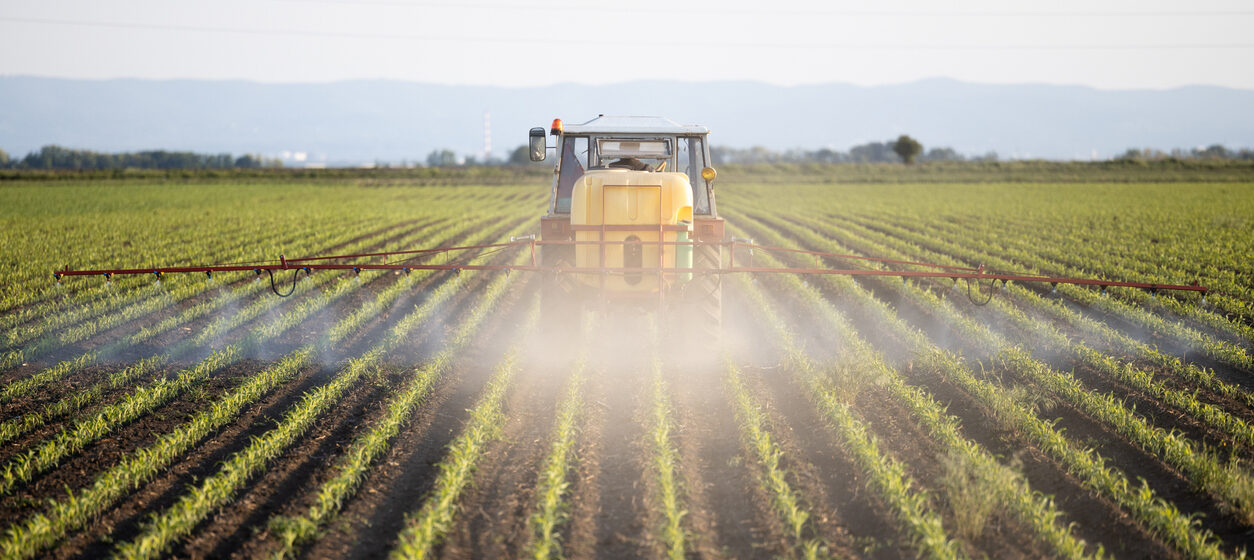
The agricultural sector relies heavily on nitrogen-based fertilizers, but traditional ammonia production using the Haber-Bosch process requires massive centralized plants, high heat, and extreme pressure. This concentration makes the global fertilizer supply chain vulnerable to geopolitical shocks and transportation bottlenecks. Now, a US-based startup, Faraday Earth, is developing an alternative that could decentralize production and stabilize costs for farmers.
Instead of the conventional method, the company utilizes a high-voltage electric field to create non-thermal plasma. This "fourth state of matter" excites the notoriously unreactive nitrogen molecules found in the air, allowing them to combine with green hydrogen. By fundamentally changing how nitrogen is activated, the process eliminates the need for massive industrial facilities, shifting the paradigm toward local, on-demand production.
The breakthrough in efficiency came through the application of artificial intelligence. By creating a digital twin of the reaction and utilizing machine learning, developers can tune voltage, flow rates, and reactor conditions in near real-time. This optimization has drastically improved yields, bringing the projected levelized cost of this green ammonia down to around $500 per ton—strikingly close to the historic prices of conventional, fossil-fuel-derived gray ammonia.
For the agricultural industry, the most significant implication is the hardware's scale. The technology is designed to fit into standard shipping containers, capable of producing several tons of ammonia daily. These modular units can be deployed directly at regional distribution hubs or large farming cooperatives, effectively cutting out expensive and vulnerable international shipping routes.
Because the plasma system can be powered up and down quickly, it pairs perfectly with intermittent renewable energy sources like wind and solar. This flexibility could allow rural areas to leverage local renewable power grids to produce their own essential crop inputs, shielding the agricultural sector from the severe price spikes caused by global energy and transport crises.
What this means for the market: If commercialized successfully, containerized green ammonia production could allow European agricultural cooperatives to produce their own fertilizer locally, drastically reducing exposure to volatile global natural gas prices and international shipping disruptions.
— agronom.work editorial team