
US-India AI Partnership Aims to Accelerate Soybean Breeding Cycles
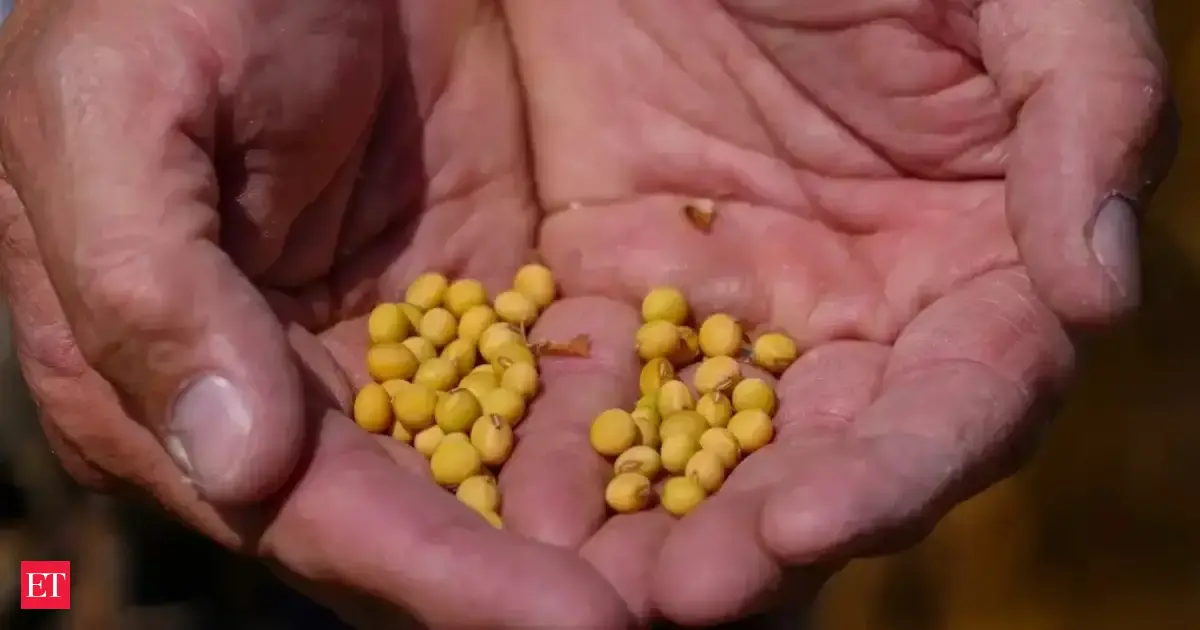
The US National Science Foundation has greenlit a significant funding package for a collaborative research initiative between the US and India. The project focuses on deploying artificial intelligence and machine learning to optimize the complex process of soybean breeding, targeting a three-year implementation window starting this October.
For European soybean growers, the relevance of this research lies in the development of more robust genetics. As the European Union pushes for increased protein self-sufficiency, climate-resilient soybean varieties that can thrive in varying latitudes are in high demand. AI-accelerated breeding could drastically shorten the time it takes to move from a laboratory trial to a commercial field seed.
The initiative aims to create 'smart' phenotyping systems—tools that automate the monitoring of plant health, growth patterns, and stress responses. By integrating deep learning into the breeding cycle, researchers can predict which genetic traits will provide the best yield under drought or heat stress conditions, essentially allowing breeders to discard non-performing lines much earlier in the cycle.
While this project is centered on US and Indian agricultural systems, the data and algorithms generated will likely influence global breeding programs. As precision agriculture matures, European agronomists can expect new soybean hybrids that offer better maturity groupings and protein content, potentially making the crop more viable for farmers in Central and Northern Europe who are currently experimenting with pulses.
What this means for the market: Farmers should anticipate a faster pipeline of high-performance soybean genetics entering the market over the next decade. Keeping an eye on these AI-driven breakthroughs will be essential for growers looking to optimize their crop rotations and increase nitrogen-fixing protein production on their farms.
— agronom.work editorial team