
US EPA Drops Factory Farm Air Pollution Monitoring Effort
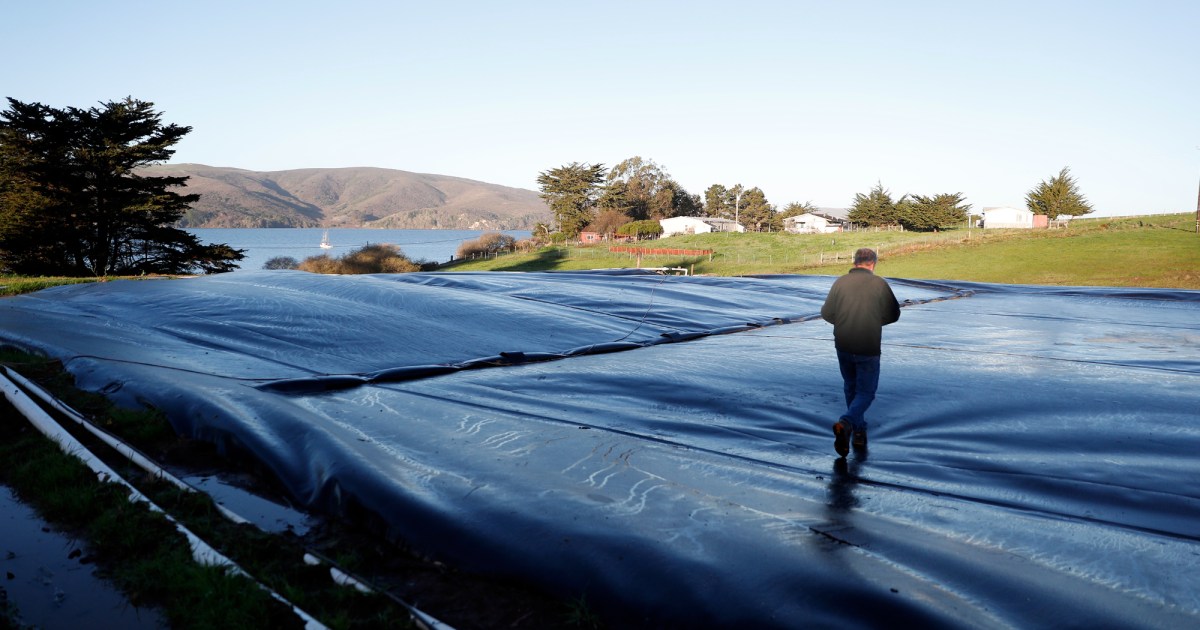
The United States Environmental Protection Agency has officially walked away from a multi-decade initiative aimed at establishing standardized methods to measure and limit air pollution from large-scale animal feeding operations. The decision marks the formal termination of an effort that began over twenty years ago, designed to monitor hazardous emissions such as ammonia, hydrogen sulfide, and volatile organic compounds from concentrated animal feeding operations, commonly known as CAFOs.
For livestock producers, particularly large dairy, swine, and poultry operations, this regulatory pivot eases immediate compliance pressures and avoids potentially costly federal monitoring mandates. Environmental groups and public health advocates, however, have expressed strong criticism, arguing that unchecked emissions from intensive animal housing and manure management systems continue to impact local air quality and contribute significantly to regional greenhouse gas inventories.
While federal oversight in the US is stepping back, the broader agricultural landscape continues to experience intense pressure regarding greenhouse gas emissions, particularly in export-heavy regions and markets with stringent environmental standards. European livestock producers operating under the European Green Deal and strict national nitrate directives face a starkly different regulatory reality, where ammonia and methane tracking remain central to receiving agricultural subsidies and maintaining social license to operate.
Despite the EPA halting its broad monitoring framework, the commercial push toward emission reduction technologies on livestock farms is unlikely to vanish completely. Many large producers in North America and beyond are voluntarily adopting methane digesters, manure acidification, and precision feeding strategies not necessarily to satisfy federal mandates, but to tap into carbon credit markets, secure private sustainability grants, and meet tightening ESG requirements demanded by corporate dairy and meat processors.
For agronomists and farm managers working with intensive livestock systems, navigating environmental compliance requires balancing local community relations with shifting political landscapes. Whether driven by government mandates, as seen across many European Union member states, or by voluntary corporate supply chain demands, farm-level emission management remains a critical operational factor for modern animal husbandry.
What this means for the market: While US industrial livestock producers gain short-term regulatory relief, global trade dynamics and corporate sustainability commitments will continue to push farms toward lower-emission practices. Agronomists and farm managers must stay attuned to these supply chain pressures regardless of shifting federal enforcement priorities.
— agronom.work editorial team