
Antibiotic Resistance in Agriculture: Managing Risks in European Livestock
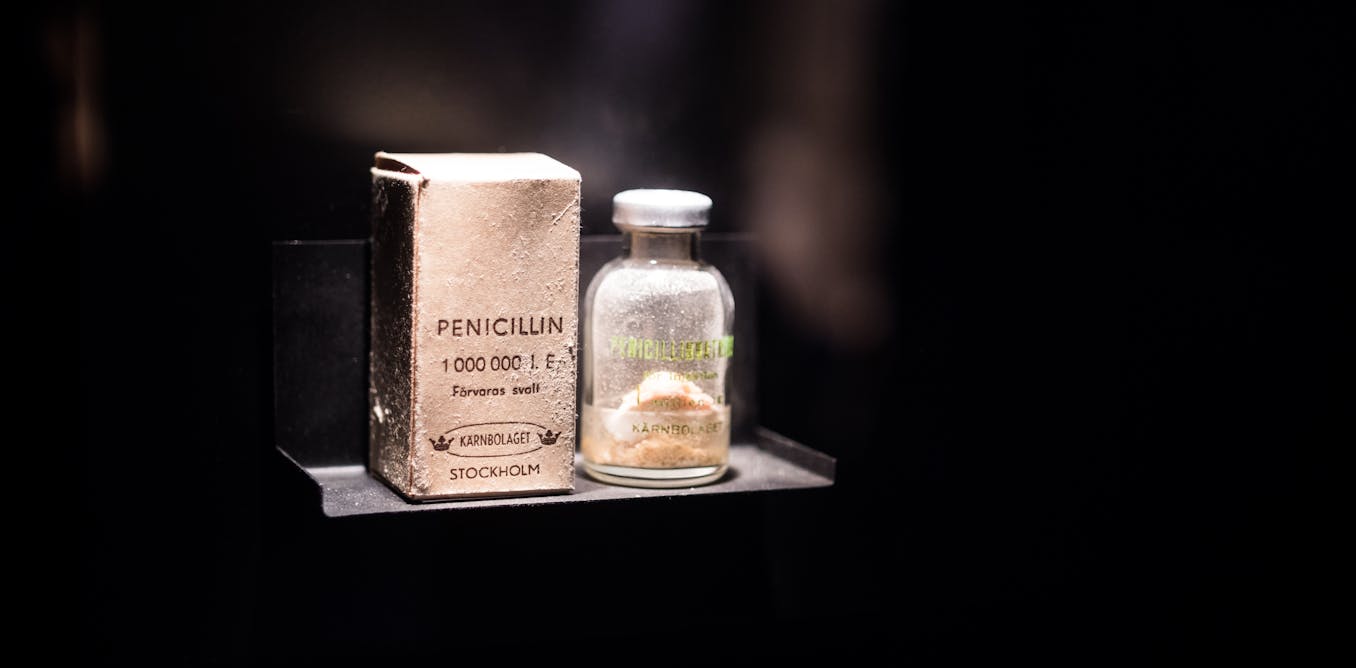
Antimicrobial resistance (AMR) has moved to the forefront of agricultural policy in the European Union. With bacteria increasingly evolving to bypass traditional treatments, the practice of prophylactic antibiotic use—once common in large-scale livestock operations—is under intense scrutiny by regulators and public health officials.
For the average European farmer, this shift represents a significant move away from "easy" disease prevention toward complex biosecurity management. The goal is to lower the environmental and physiological stress on animals, which naturally reduces the reliance on therapeutic or sub-therapeutic antibiotic intervention. This involves improvements in stable ventilation, vaccination protocols, and nutritional support to boost innate immunity.
Veterinarians and agronomists emphasize that resistance is not just a human health issue; it directly threatens the longevity of livestock farming. When effective treatments for common infections like mastitis or respiratory diseases in calves fail, producers face higher mortality rates, reduced growth efficiency, and significant financial losses due to mandatory culling or prolonged treatment cycles.
Investment in smart agritech is proving to be a key differentiator. Real-time health monitoring systems that track temperature, movement, and feed intake allow farm workers to catch sickness early. By identifying an individual animal in distress before a disease spreads to the entire pen, the need for herd-wide antibiotic treatment is minimized, keeping production costs stable while complying with stricter EU sustainability mandates.
Context for farmers: The EU's "Farm to Fork" strategy is aggressively targeting a 50% reduction in the sale of antimicrobials for farmed animals by 2030. Producers should audit their current medicinal stockpiles and consult with their vets to transition toward preventative health management, as future subsidies and certifications will increasingly favor operations with low antibiotic consumption records.
— agronom.work editorial team