
Apeel Sciences Shifts Focus to Europe with New Post-Harvest and AI Tech
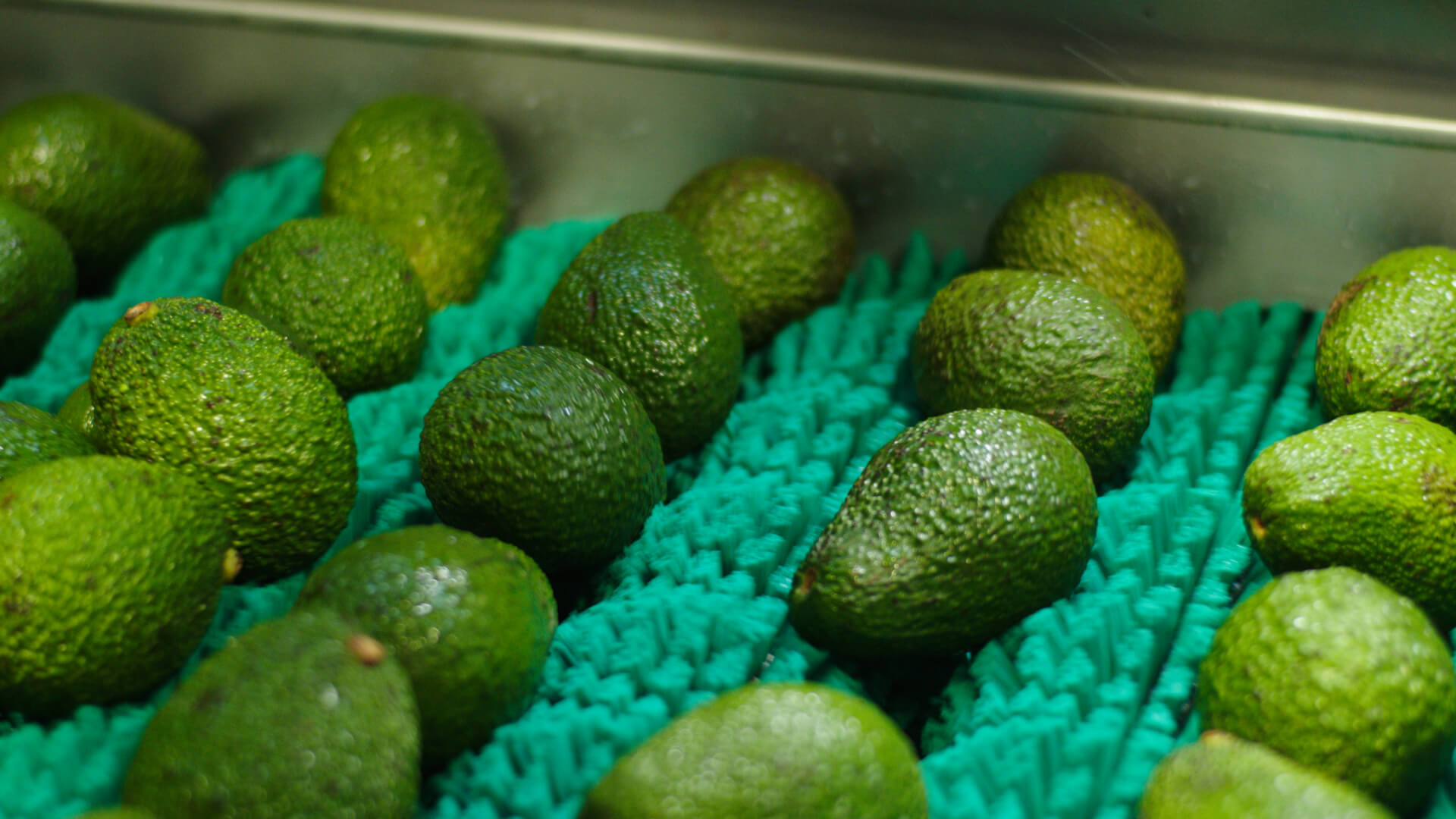
Apeel Sciences, a company known for developing plant-based edible coatings that extend the shelf life of fresh produce, is increasingly focusing its operations on the European market. After facing a coordinated misinformation campaign and structural business challenges in the US, the company has restructured its approach. Today, Europe, the Middle East, and Africa account for roughly 70% of Apeel's business, where the demand for reducing food waste, eliminating plastic packaging, and replacing synthetic waxes is growing among major suppliers and retailers.
The company's initial coating technology, while effective at slowing moisture loss and oxidation using lipids extracted from agricultural by-products like grape seeds, proved costly and difficult for packing houses to implement. It required bespoke mixing equipment and costly drying infrastructure. To address this, Apeel developed a second version of its barrier. Supplied as a liquid that remains stable for months, it can be applied using existing packhouse equipment without the need for additional drying steps, slashing application costs tenfold and simplifying integration for agricultural suppliers.
Beyond extending shelf life, Apeel is expanding its "Fresh Formulaics" line to actively combat post-harvest diseases. A new product called Zero MI, launching this fall, targets fungal infections such as stem-end rot in avocados and Penicillium rot in citrus. For European packers and exporters, this plant-based solution offers a potential alternative to conventional post-harvest fungicides like imazalil, thiabendazole, and prochloraz, aligning with the tightening regulatory environment regarding synthetic pesticide residues.
In the field of agritech, Apeel has also introduced RipeTrack, a portable quality measurement toolkit. Utilizing AI and machine learning, the device allows agronomists and farm workers to assess crucial traits such as dry matter, oil content, and Brix-acid ratios without cutting the fruit open. This non-destructive testing can be performed directly in the orchard, saving significant time compared to traditional laboratory sampling and enabling more precise harvesting decisions based on accurate maturity data.
The strategic shift highlights a broader trend in post-harvest technology, where the focus is moving from purely retail-driven shelf life extension to integrated solutions that benefit the entire supply chain. By making their coatings easier to apply and offering advanced data tools, Apeel aims to streamline operations for growers and distributors, particularly in regions like Europe that prioritize cleaner agricultural practices.
Context for farmers: Apeel’s shift toward Europe and their development of drop-in liquid coatings and portable AI quality-control tools mean regional packers and suppliers now have viable, cost-effective alternatives to conventional post-harvest fungicides and waxes.
— agronom.work editorial team