
Australia eyes entry into India's pigeonpea market, impacting global pulse trade
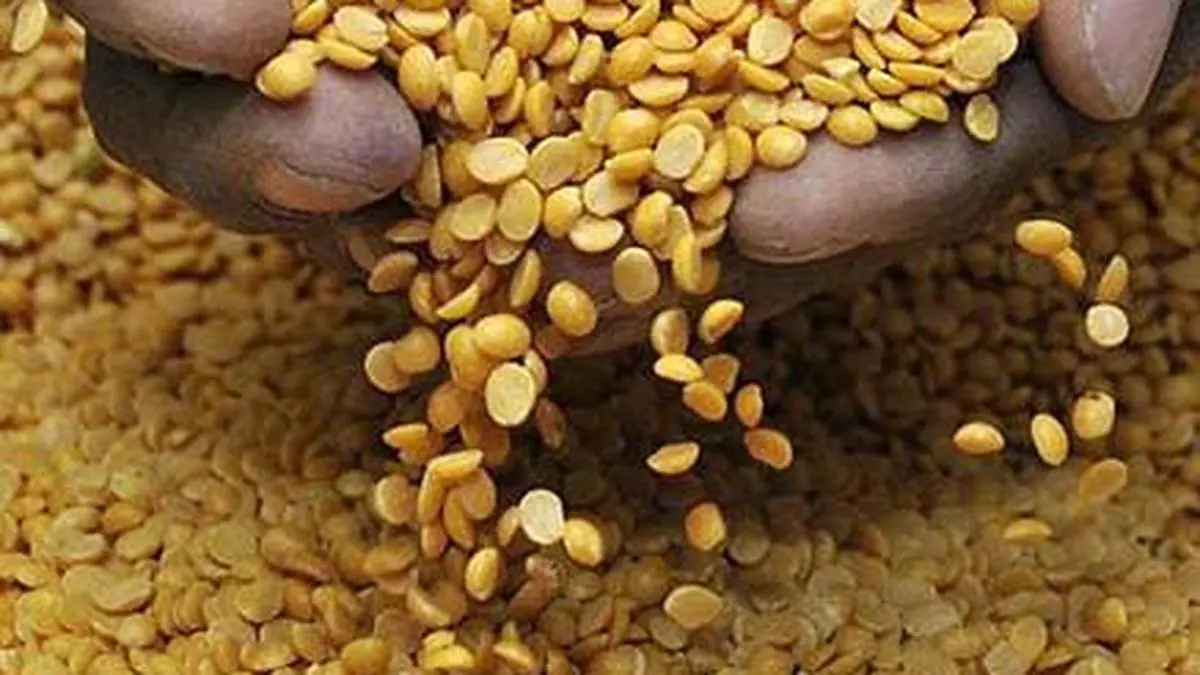
Global pulse markets are bracing for a potential shift as Australian agricultural producers set their sights on cultivating pigeonpea, locally known as tur. Following Brazil's recent steps into this sector, Australia is well-positioned to become a reliable external supplier for India, one of the world's largest consumers and importers of pulses. Australian growers have a proven track record of adapting quickly to South Asian dietary demands, having previously established dominance in export markets for chickpeas and red lentils.
For grain and pulse producers across Europe and other exporting regions, this development highlights the dynamic nature of international trade flows. When major Asian economies face domestic supply gaps due to weather anomalies or shifting domestic consumption patterns, southern hemisphere producers rapidly step in to fill the void. Australian farms operate at a massive scale with high levels of mechanization, allowing them to pivot crop rotations swiftly based on forward pricing and projected export demand.
The expansion of Australian pigeonpea production could introduce new competitive pressures into international legume markets. While European farmers primarily focus on peas, beans, and feed proteins like soybeans or lupins, global pulse prices are heavily interconnected. Increased global supply from Oceania can temper price spikes, influencing how grain merchants and processors hedge their risks ahead of planting seasons in both the Northern and Southern hemispheres.
Agronomists and farm managers monitoring global commodity trends should take note of how quickly agricultural output can diversify in response to lucrative export windows. India's domestic pulse consumption remains immense, and policy interventions regarding import duties or tariff-free quotas frequently dictate whether international shipments surge or stall. As Australia builds out its tur supply chains, logistics networks and grain handling facilities down under will optimize to move these pulses efficiently to Asian ports.
What this means for the market: While direct competition mostly affects regional suppliers in the Indo-Pacific, the scaling of Australian pigeonpea production adds another layer of liquidity and price volatility to global pulse markets. European traders and export-oriented grain growers should watch how southern hemisphere crop diversification impacts overall legume price trends.
— agronom.work editorial team