
Autonomous Laser Weeders: A New Era for Crop Protection
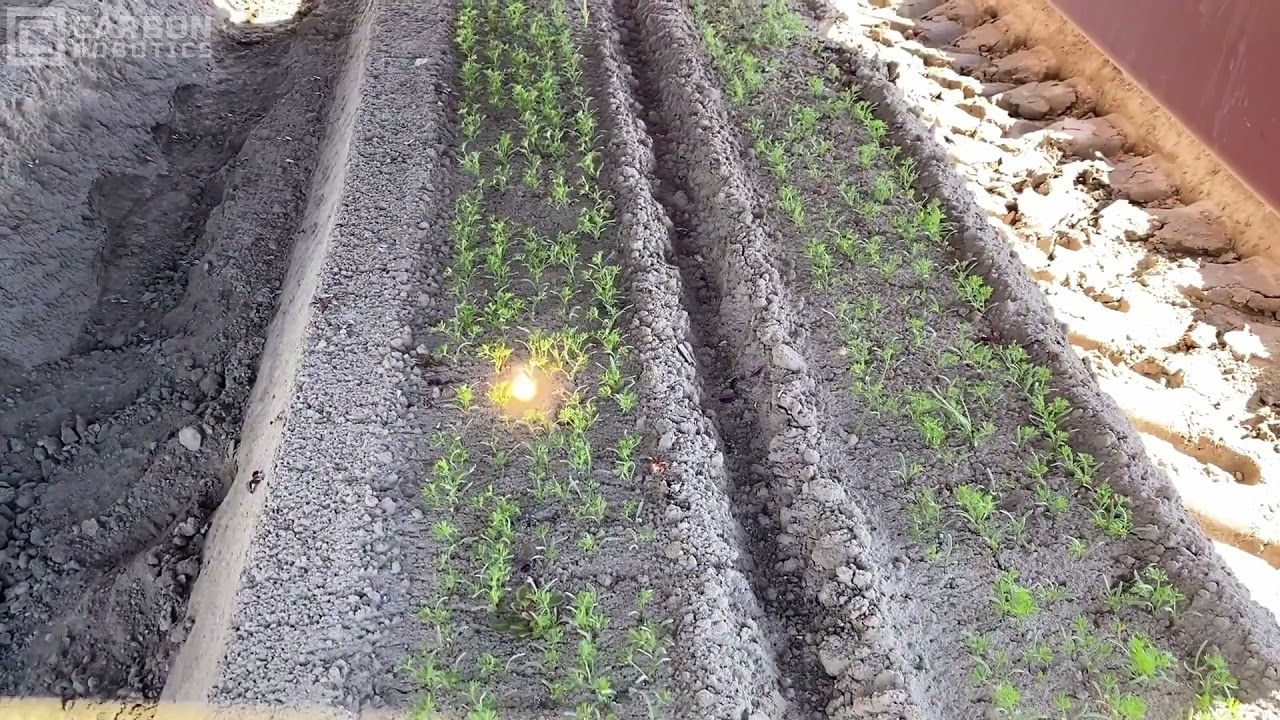
The rise of autonomous, tractor-sized weeding robots marks a significant turning point in precision agriculture. By moving away from broad-spectrum chemical application toward individual weed identification, these systems are fundamentally changing how we manage field hygiene and crop health.
These robots utilize advanced onboard cameras and computer vision to distinguish between crop foliage and encroaching weeds in real-time. Once identified, a high-precision laser targeting system eliminates the weed at its meristem, effectively killing it without requiring a single drop of herbicide or disturbing the surrounding topsoil.
For European farmers, this technology addresses two critical pain points: rising regulatory pressure on chemical pesticide use, such as the EU’s Green Deal targets, and the persistent shortage of reliable seasonal labor for manual field maintenance. Unlike traditional mechanical hoes, these units can operate around the clock, providing a level of consistency that human crews simply cannot match.
Beyond labor and chemicals, the soil health benefits are notable. Traditional cultivation can damage the delicate biome of the topsoil, potentially leading to erosion or moisture loss. Laser weeding offers a non-invasive alternative that keeps the soil structure intact, supporting better long-term yield potential and water retention for high-value row crops.
What this means for the market: Farmers should monitor the cost-to-hectare efficiency of these machines, as they are likely to transition from premium investments to standard equipment for large-scale vegetable and specialty crop producers within the next five years. Evaluating the potential savings on herbicide inputs versus initial capital expenditure will be crucial for ROI calculations in upcoming seasons.
— agronom.work editorial team