
Autumn H5N1 Surge Hits Poultry Farms as Migrating Waterfowl Threaten European and Global Flocks
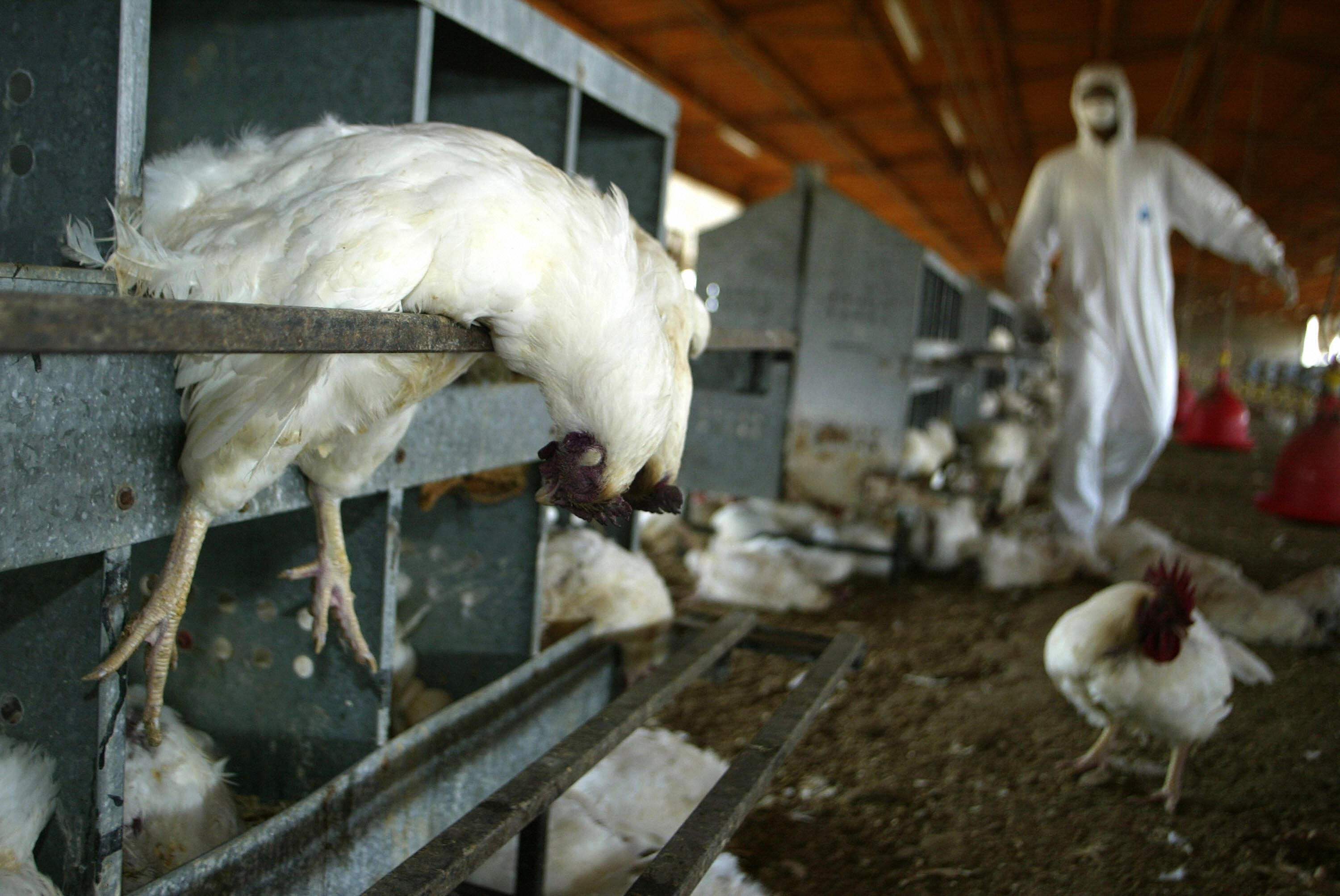
Autumn has traditionally brought a renewed sense of vigilance to livestock producers, and recent confirmed cases of highly pathogenic H5N1 avian influenza in commercial poultry operations in key production regions serve as a sharp reminder of seasonal biosecurity vulnerabilities. As millions of wild waterfowl begin their autumn southward migrations, the natural flyways intersect directly with intensive farming zones, increasing the exposure risk for both large-scale commercial facilities and backyard flocks.
For farm managers and poultry producers across the European Union, the United Kingdom, and neighbouring regions, these seasonal outbreaks underscore a persistent operational challenge. The virus spreads primarily through contact with wild birds or contaminated surface water, equipment, and footwear. Even with strict perimeter controls, preventing airborne transmission or mechanical vector introduction during peak migration windows remains a complex task for biosecurity officers on modern farms.
The financial implications of an H5N1 confirmation extend far beyond immediate flock depopulation. Regional containment zones, movement restrictions on hatching eggs and live birds, and mandatory housing orders can disrupt supply chains for weeks. Commercial operators face stringent veterinary protocols that temporarily halt exports and heavily impact farm cash flow, making proactive surveillance and early detection systems essential economic safeguards.
Veterinary authorities and agricultural extension services across Europe routinely issue high-risk alerts during the autumn and spring migration periods. Producers are strongly urged to inspect and reinforce physical barriers, ensure dedicated change-through hygiene stations are fully operational, and eliminate any standing water sources near barns that could attract wild ducks or geese. Feed storage areas must also be strictly secured against wild birds and rodents acting as secondary vectors.
What this means for the market: Seasonal surges in avian influenza typically cause short-term regional supply contractions and trigger tighter import controls across international borders, potentially influencing poultry meat and egg price trends. Farm operators must immediately audit their biosecurity protocols and strict sanitation measures to safeguard flocks against the heightened autumn migration pressure.
— agronom.work editorial team