
Avian Flu Housing Order Issued: Strict Biosecurity Mandated for Poultry Farms
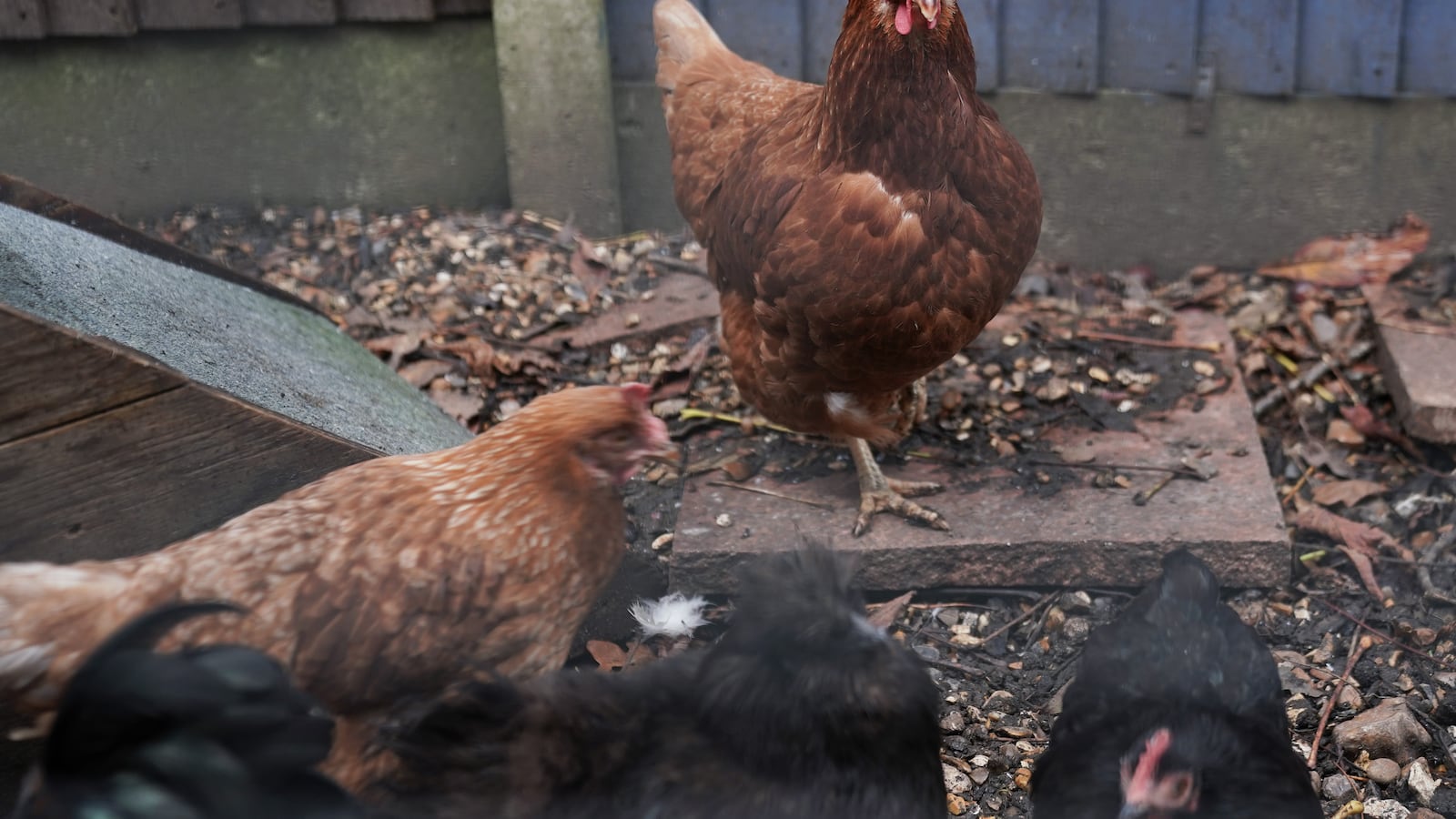
A compulsory housing order for all poultry and captive birds is set to take effect next Monday, triggered by mounting concerns over the seasonal surge in avian influenza. Agriculture authorities have intervened following a combination of worsening weather conditions and a sharp drop in ambient temperatures, both of which are known to exacerbate the persistence and transmission of the virus among wild bird populations and domestic flocks alike.
For commercial poultry producers and backyard keepers, this mandate means an immediate operational shift. Flocks that previously enjoyed free-range access must now be securely housed in enclosed structures to eliminate any physical contact with migratory wild birds or contaminated surface water. Implementing these housing measures requires farm managers to carefully audit existing ventilation, stocking densities, and litter management systems to prevent secondary health issues such as respiratory stress or behavioral pecking.
Biosecurity protocols are also experiencing a mandatory tightening across the board. Farm operators must enforce strict sanitation checkpoints for incoming feed delivery trucks, equipment, and farm personnel, including mandatory boot disinfection dips and dedicated clothing changes. Maintaining these rigorous barriers is critical not only for protecting individual enterprises from catastrophic flock culling orders but also for preventing regional trade restrictions that instantly paralyze poultry meat and egg supply chains.
Historically, autumn and winter drops in temperature correlate directly with a higher frequency of avian flu incursions, as migratory waterfowl travel along major European flyways carrying the pathogen. Veterinary experts emphasize that early detection remains the cornerstone of disease control. Farmers are urged to monitor daily feed and water intake meticulously, watching for sudden drops in egg production or any neurological symptoms, and to report suspected cases immediately to local animal health agencies.
What this means for the market: Poultry producers should prepare for potential operational margin tightening due to increased bedding, labor, and energy costs associated with full indoor housing, while wholesale egg and poultry prices may face upward pressure if regional supply is restricted by quarantine measures.
— agronom.work editorial team