
Bambara Groundnut Mapping Opens New Climate-Resilient Options for Southern African Farms
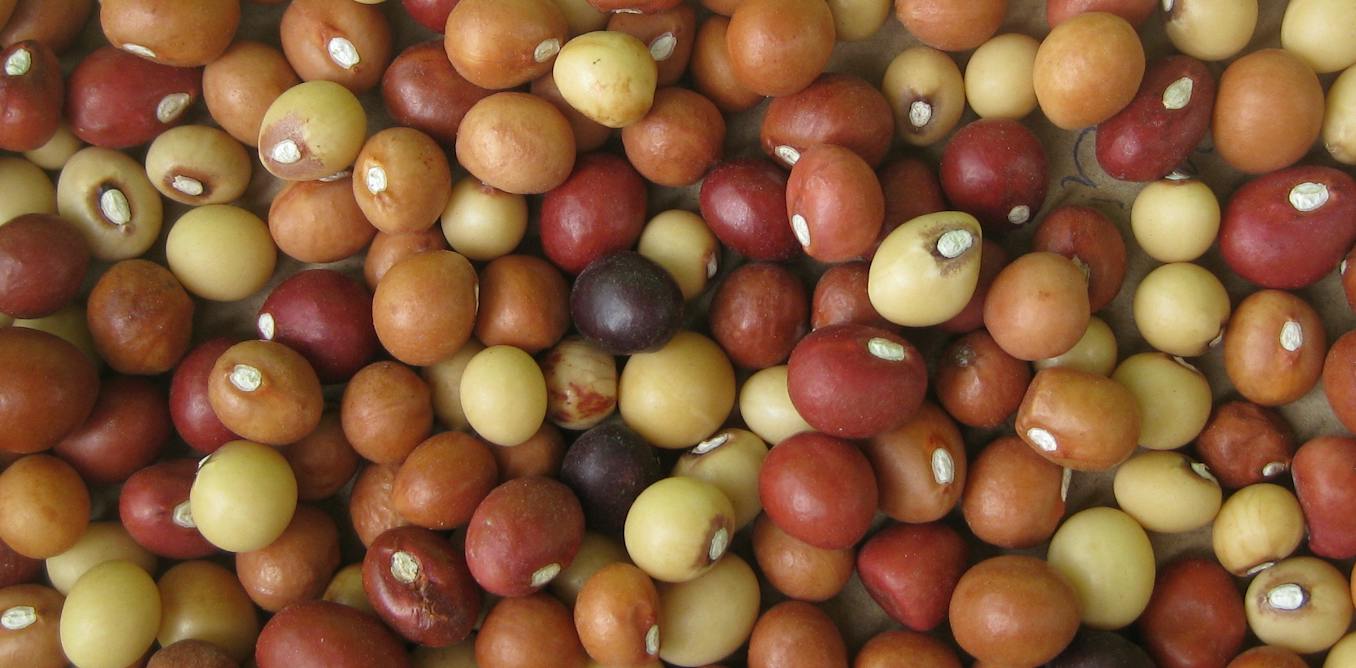
As climate volatility increasingly disrupts conventional cereal production across the globe, agricultural researchers are intensifying efforts to diversify cropping systems with climate-resilient indigenous species. In southern Africa, where reliance on staple crops like maize and wheat leaves agricultural communities acutely vulnerable to erratic rainfall and severe droughts, attention is turning toward underutilized legumes. Among the most promising candidates is the bambara groundnut, a highly resilient, protein-rich legume capable of thriving under marginal soil and moisture conditions.
A recent collaborative mapping initiative has significantly advanced how farmers and agronomists can approach this orphan crop. Instead of relying on traditional seasonal averages—which are becoming increasingly unreliable due to shifting weather patterns—researchers utilized daily meteorological data to model optimal planting windows and geographic suitability in Eswatini and South Africa. By capturing short-term climatic fluctuations and micro-climates, these high-resolution maps offer practical guidance for farm-level decision-making.
For commercial and smallholder farmers alike, integrating such resilient crops into existing rotations represents a strategic risk-management tool. Maize yields across southern Africa face mounting pressure from prolonged dry spells, making crop substitution or diversification an economic necessity rather than just an agronomic experiment. Legumes like the bambara groundnut not only provide a reliable food source and nutritional security during failed cereal seasons but also naturally fix atmospheric nitrogen, reducing the need for synthetic fertilizers in subsequent cropping cycles.
However, scaling up the cultivation of indigenous crops requires overcoming traditional supply chain and market bottlenecks. Most agricultural value chains in the region are heavily optimized for mass-produced cereals, meaning that seed systems, harvesting mechanization, and local processing infrastructure for bambara groundnut remain underdeveloped. Agronomists note that bridging this gap will require targeted investments in agricultural extension services, farmer training, and the establishment of reliable market channels to incentivize large-scale adoption.
Context for farmers: While climate-resilient legumes offer a vital biological buffer against drought, successful commercial integration depends heavily on securing access to certified seeds and local processing outlets. Agronomists working in semi-arid regions should evaluate localized climate mapping tools to identify optimal sowing windows and minimize weather-related crop failure risks.
— agronom.work editorial team