
Bayer’s Roundup Legal Struggles: What Agronomists Need to Know
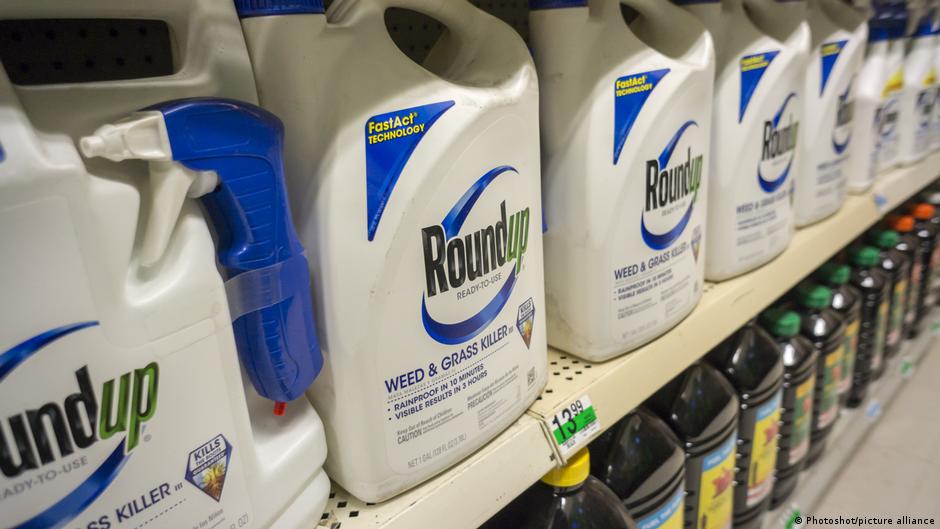
Bayer continues to navigate a massive wave of litigation in the United States over its flagship herbicide, Roundup. While the company has secured recent legal victories, particularly regarding the federal preemption of state-level warning labels, the threat of future claims remains a significant financial and operational shadow over the German chemical giant.
For European farmers and agronomists, the core issue is not just the legal status of glyphosate, but the long-term supply chain stability of the world's most widely used broad-spectrum herbicide. Glyphosate remains a cornerstone of modern minimum-tillage and no-till farming practices, helping to manage weeds efficiently while sequestering carbon in the soil.
The uncertainty surrounding Bayer's financial liability creates an environment where research and development into alternative modes of action may be prioritized over maintaining the status quo. If litigation costs remain high, the pricing and availability of generic glyphosate formulations could shift, forcing farm managers to revisit their weed control programs and consider integrated pest management (IPM) strategies more aggressively.
Regulatory bodies in the EU have re-authorized glyphosate use until 2033, providing a medium-term safety net for European farmers. However, the legal climate in the US acts as a bellwether for the public perception and potential future policy shifts, which often influence European environmental regulations more than the underlying science might suggest.
Context for farmers: The ongoing legal battles underscore the need for diversity in herbicide programs. Farmers should avoid over-reliance on a single active ingredient, not just to mitigate legal and regulatory risks, but to combat the rising tide of glyphosate-resistant weeds appearing in European fields.
— agronom.work editorial team