
Berry harvest at risk as visa rejections trigger labor crisis
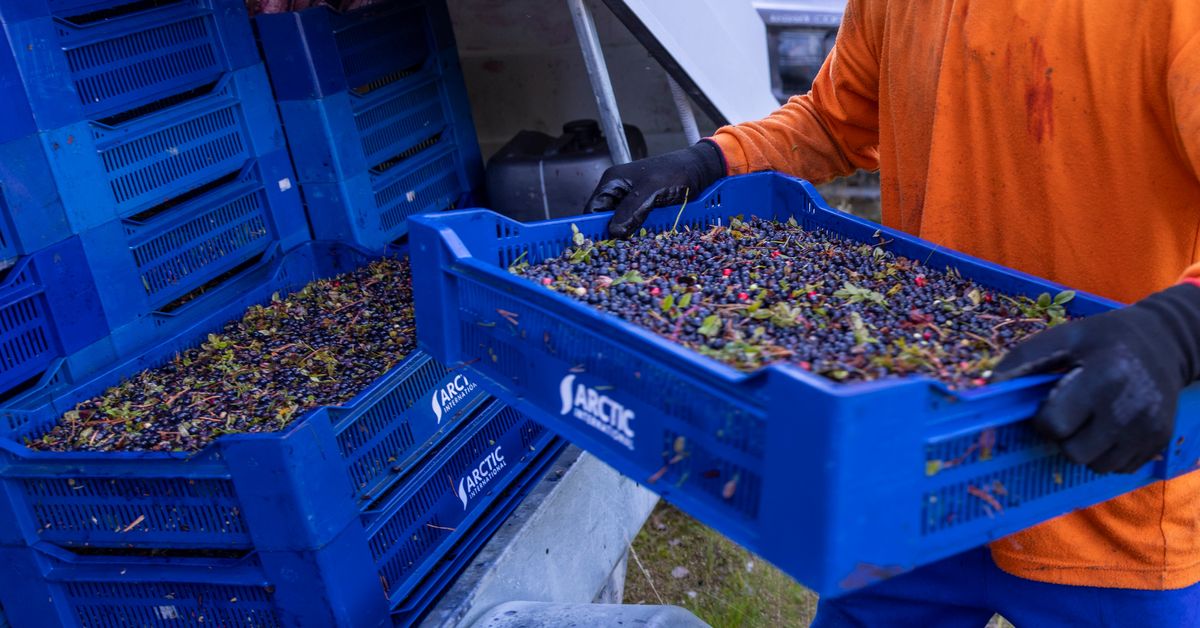
The soft fruit industry is bracing for a significant supply disruption this summer following a last-minute decision by the Foreign Ministry to deny visa applications for seasonal foreign berry pickers. Industry representatives report that thousands of hectares of wild berries are now at risk of remaining unharvested as the peak picking season approaches.
For growers and agribusiness operators, this represents more than just a logistical headache; it is a direct threat to the bottom line. The reliance on experienced, mobile seasonal labor is a cornerstone of the berry industry, which often struggles to recruit domestic workers for the physically demanding, short-term nature of wild berry harvesting.
The rejection of these visas creates a ripple effect throughout the supply chain. Processing plants, which usually operate on fixed contracts and tight inventory schedules, will face severe raw material shortages. This inevitably leads to upward pressure on retail prices as the volume of available, high-quality berries diminishes in the local market.
Beyond the immediate financial impact, this labor shortage highlights a growing vulnerability in European agricultural policy regarding seasonal workforce management. Many farms have already invested in logistics and transportation for these crews, and these sunk costs will now place additional financial strain on small-to-medium-sized agricultural enterprises.
What this means for the market: Farmers should prepare for significant volatility in berry pricing and potential contract defaults if harvest volumes drop below forecasts. Growers who rely on seasonal labor should immediately explore local labor subsidies or secondary regional workforce pools, though most experts agree that domestic replacement at the required scale remains highly unlikely.
— agronom.work editorial team