
Soilless Farming Gains Traction in Istanbul: Efficiency Lessons for European Growers
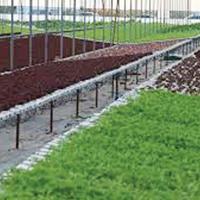
In the outskirts of Istanbul, a shift toward soilless farming is fundamentally altering the local agricultural landscape. By utilizing hydroponic and aeroponic systems, growers are decoupling production from soil quality limitations, a move that is significantly boosting vegetable output in regions previously restricted by land availability or soil degradation.
For European agronomists, the Istanbul model highlights a transition toward controlled-environment agriculture that minimizes water consumption and fertilizer runoff. This efficiency is critical as tightening EU environmental regulations and the ongoing challenges of climate change necessitate a reduction in the chemical footprint of vegetable production.
The economic logic behind these investments is driven by the demand for year-round consistency. By controlling temperature, lighting, and nutrient delivery, farmers are bypassing the seasonal volatility that traditionally characterizes field crop yields. This stability is particularly attractive for markets supplying high-density urban areas.
While initial capital expenditures for vertical or greenhouse soilless systems remain high, the long-term operational savings on water and labor-intensive soil preparation are becoming a deciding factor. Many operators are now integrating automation to monitor nutrient solutions in real-time, effectively professionalizing the crop cycle from seed to harvest.
What this means for the market: As European producers face rising input costs and water scarcity, transitioning toward soilless technologies offers a viable path to protect margins through higher yields and reduced waste. Farmers should evaluate whether hybrid greenhouse models or smaller-scale hydroponic setups could stabilize their seasonal supply and strengthen their position in local retail chains.
— agronom.work editorial team