
A Natural Defense: Using Straw Bales to Deploy Parasitoids Against Wheat Stem Sawfly
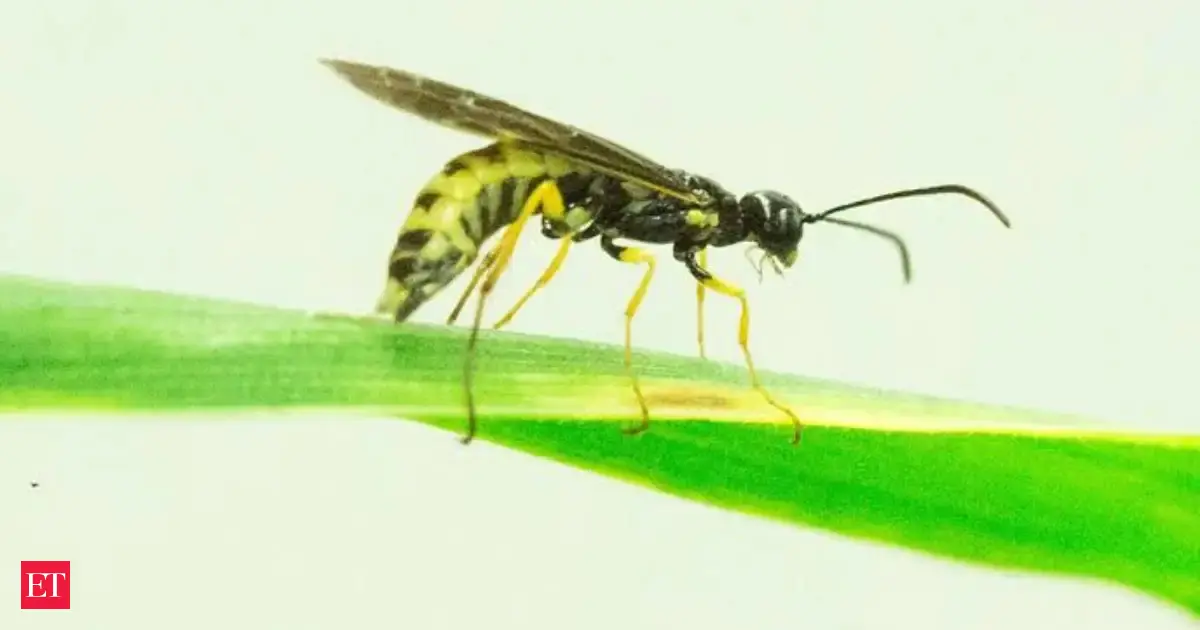
Wheat growers have long struggled with the wheat stem sawfly (Cephus cinctus), a pest that causes significant yield loss across wheat-growing regions. The larvae bore into the stems, weakening the plant and causing it to lodge, which makes mechanical harvesting incredibly difficult and leads to substantial grain loss. With annual damages reaching hundreds of millions of dollars, this pest remains a primary concern for farm profitability.
A novel approach currently being tested involves leveraging the natural life cycle of the Bracon cephi wasp, a parasitoid that effectively hunts and suppresses sawfly populations. The researchers' strategy is surprisingly low-tech: they use baled wheat straw as a transport mechanism to introduce these beneficial insects into infested fields. This method provides the wasps with a stable environment during transit and ensures they emerge exactly where they are needed most.
For the average agronomist or farmer, this represents a move toward biological control that could reduce reliance on heavy pesticide applications. By establishing a healthy population of parasitoids in the field, farmers can create a more resilient ecosystem that keeps sawfly numbers below the economic threshold. This is particularly relevant for those practicing integrated pest management (IPM) who are looking to lower input costs while maintaining yields.
The efficacy of this method relies on timing and logistics. Bales must be moved and positioned strategically to match the lifecycle of both the sawfly and the wasp. While it is not a "silver bullet" that provides overnight results, the shift toward utilizing naturally occurring predatory insects suggests a more sustainable path for wheat production, potentially reducing the need for late-season intervention.
Context for farmers: This method highlights the potential of biological control programs where existing crop residues serve as a delivery system for beneficials. Farmers should monitor their fields for sawfly lodging early in the season to determine if biological introduction programs are a viable alternative for their next cropping cycle.
— agronom.work editorial team