
Beekeepers Push for New Biopesticides to Combat Varroa Mite Resistance
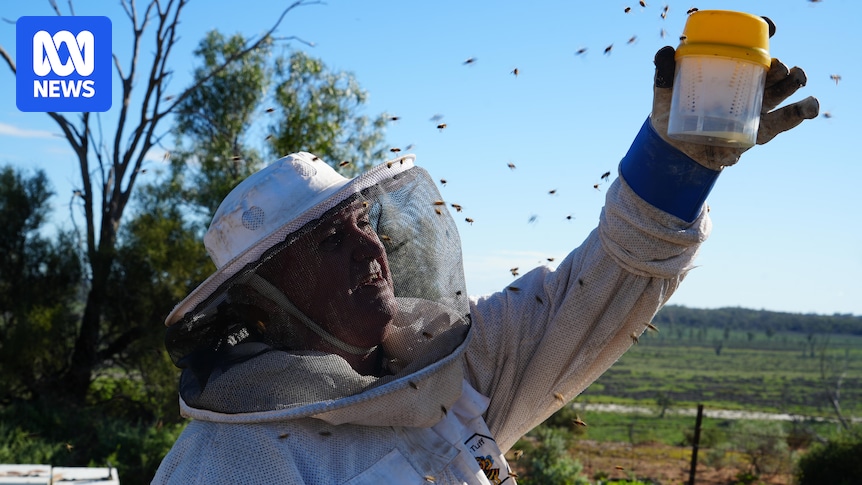
The varroa mite remains one of the most formidable threats to global agriculture, continuously adapting to outsmart conventional pest control methods. For farmers and agronomists heavily dependent on commercial pollination services—particularly those cultivating oilseed rape, fruit orchards, and berry crops across Europe—the health of local bee populations is inextricably linked to annual yield targets.
Recent developments have highlighted a growing alarm among beekeepers regarding the diminishing efficacy of standard chemical treatments. Traditional acaricides, which have kept mite populations in check for decades, are increasingly failing as the mites develop robust genetic resistance. This chemical arms race has forced the apiculture sector to seek alternative, sustainable solutions to prevent catastrophic colony collapses.
In response to this escalating crisis, industry leaders are urgently advocating for the expedited approval and distribution of advanced biopesticides. These next-generation biological controls are designed to target the varroa mite's unique physiology without leaving harmful synthetic residues in the hive or the broader ecosystem. Such innovations represent a crucial leap in agritech, offering a highly specific mechanism of action that minimizes collateral damage to the bees themselves.
For crop growers, the transition towards biopesticides in apiary management is more than just a beekeeping issue; it is a fundamental agricultural safeguard. Declining bee vitality directly translates to poor fruit set, irregular crop development, and ultimately, a significant reduction in market-grade produce. As biopesticides move closer to commercial viability, they promise to stabilize the pollination supply chain that underpins large-scale farming operations.
What this means for the market: The shift towards biological varroa treatments will likely stabilize pollination costs for fruit and seed producers in the coming years. Farmers should maintain close dialogue with their local beekeepers regarding hive health protocols, as resilient colonies are the foundation of high-yielding, profitable harvests.
— agronom.work editorial team