
BioScout Secures $4.8M to Expand Fungal Pathogen Early Warning Systems
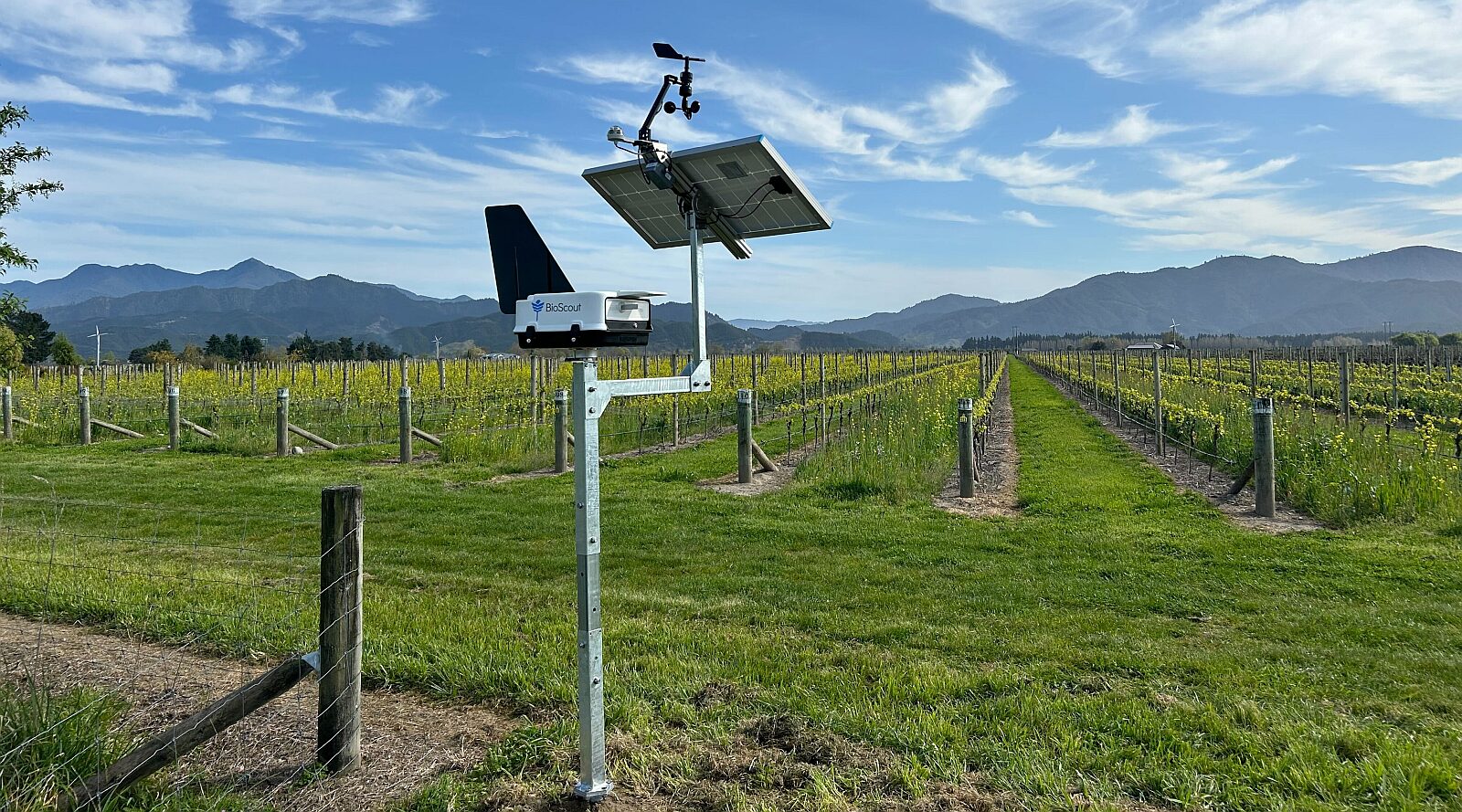
Australian agritech firm BioScout has secured A$6.75 million ($4.8 million) in seed funding to scale its AI-driven fungal spore monitoring network. By using automated field sensors that capture and analyze airborne pathogens, the company aims to move European and global agriculture away from rigid, calendar-based preventative fungicide programs.
For the average European arable farmer, fungal threats like Leptosphaeria maculans in oilseed rape or late blight in potatoes represent a significant operational risk. Currently, the standard practice involves routine spraying to avoid crop loss. However, this often leads to over-application, increased chemical costs, and accelerated fungicide resistance, as treatments are frequently applied without confirmed pathogen presence.
BioScout’s technology functions like a 'storm warning' for crops. Sensors draw in air to collect spores on adhesive tape, which are then analyzed by AI models and cross-referenced with local meteorological data. This enables agronomists to determine whether a pathogen is merely passing through or actively colonizing a field, allowing for targeted interventions rather than blanket coverage.
The system is particularly relevant for high-value specialty crops and broadacre grains where disease pressure is high. By providing objective data on spore concentration, the platform helps growers gain the confidence to optimize their spray programs, which can potentially reduce fungicide expenditure by up to 50% without compromising yield quality.
Context for farmers: While the cost of deploying sensors is significant, the shift toward real-time diagnostics acts as a powerful risk management tool. Integrating this data allows for more effective use of both traditional chemistry and increasingly popular biologicals, which often require precise application timing that calendar-based systems cannot provide.
— agronom.work editorial team