
Biosolids Research: Slashing Fertilizer Costs in Sandy Soils
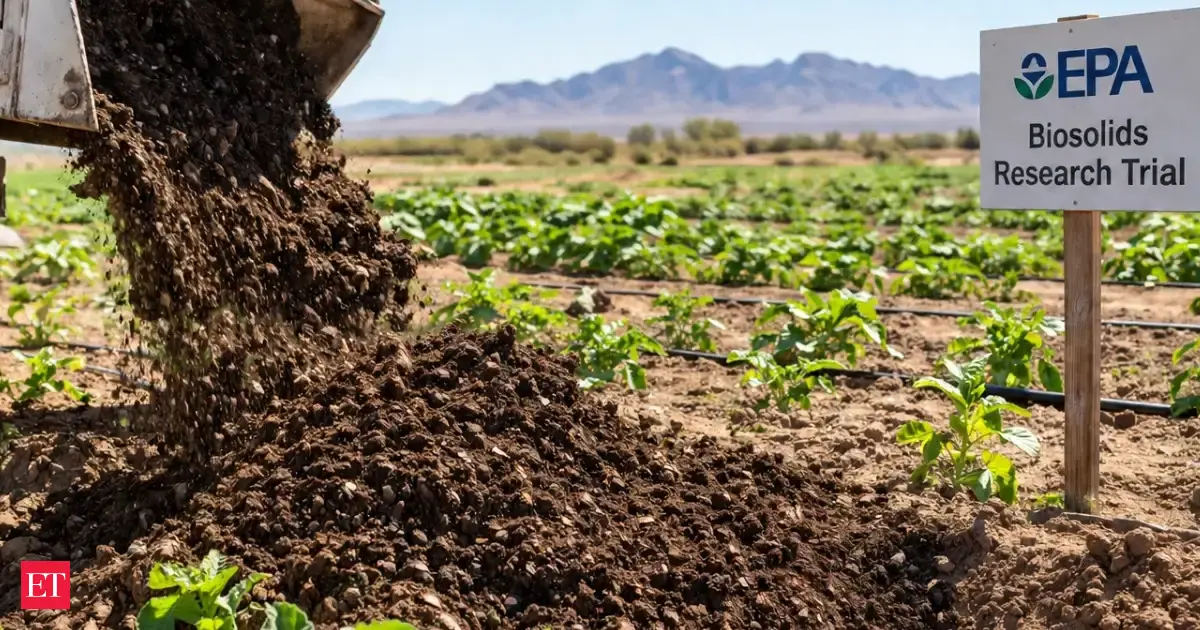
Managing nutrient levels in sandy, low-organic-matter soil is a constant battle for profitability. A recent study conducted near Yuma, Arizona, provides a compelling case for the use of biosolids as a long-term soil amendment strategy. By applying 8 dry tons of biosolids per acre, researchers observed a dramatic shift in how sandy soil retains and processes vital nutrients.
In the first year of the application, chemical fertilizer requirements were slashed to just one-fourth of their original levels. This reduction is attributed to the organic matter in the biosolids, which significantly improves the soil's structure and cation exchange capacity—factors that are often deficient in sandy agricultural landscapes across Europe and beyond.
The long-term results of the study were even more significant. By the third year, the experimental plots required no supplemental chemical fertilizer at all to maintain yields. This transition demonstrates how biosolids can move beyond simple nutrient provision, acting instead as a catalyst for sustainable soil health and permanent structural improvement.
For farm operations facing rising input costs, this approach offers a dual benefit: decreasing reliance on volatile synthetic fertilizer markets and improving the long-term resilience of the soil. As organic matter increases, so does water-holding capacity, which is essential for mitigating the impacts of erratic rainfall and drought cycles increasingly common in southern Europe and the Mediterranean basin.
What this means for the market: Producers operating on sandy, low-fertility soils should evaluate the cost-effectiveness of biosolid applications compared to traditional NPK programs. While logistics and local regulatory standards for biosolid usage vary, the potential to reach zero-supplemental fertilization within three years offers a significant opportunity to reduce overhead and improve soil health metrics.
— agronom.work editorial team