
Bird Flu Mutations on Mink Farms Raise Biosecurity Concerns for European Livestock Producers
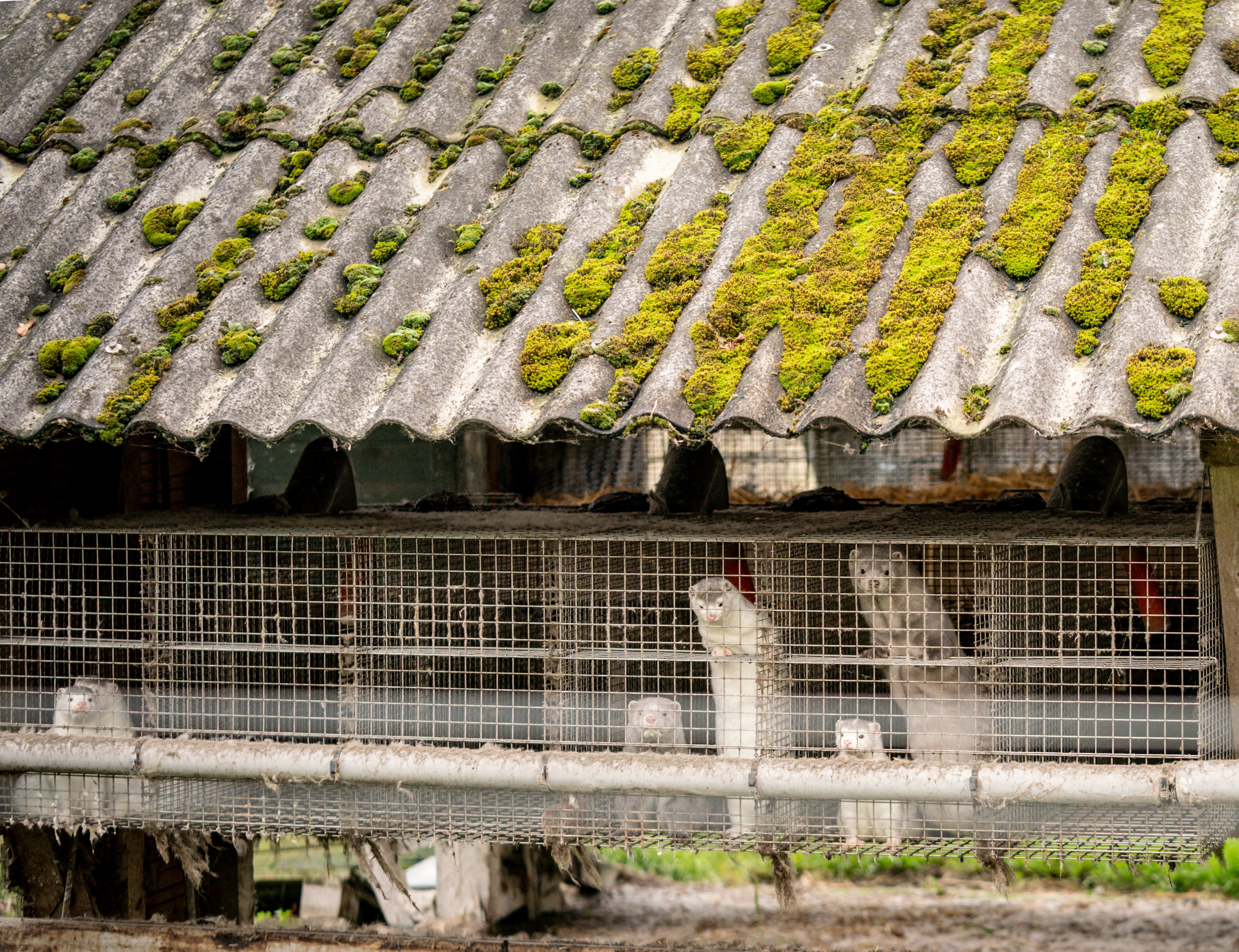
Recent genetic sequencing of the highly pathogenic avian influenza (H5N1) virus from an outbreak at a Utah mink farm has revealed the presence of the PB1-K388R mutation in all analyzed samples. While public health authorities stress that the overall risk to the general public remains low and no human-to-human transmission has been documented, the finding echoes a similar mutation pattern observed during the devastating 2022 mink farm outbreak in Spain. This recurrence highlights the persistent vulnerability of captive mustelids to avian influenza strains capable of adapting to mammalian hosts.
For livestock producers, particularly in European countries with active fur farming sectors such as Poland, Denmark, and Finland, these findings serve as a stark reminder of cross-species disease pathways. Mink and other carnivores housed in high-density agricultural environments can act as mixing vessels for influenza viruses, potentially generating mutations that increase affinity for mammalian receptors. Although several European nations have implemented stricter biosecurity mandates or phased out fur farming entirely following previous outbreaks, remaining operations face heightened scrutiny regarding viral surveillance and worker safety protocols.
The agricultural implications extend beyond fur production into broader animal husbandry and farm labor management. Workers in close contact with susceptible livestock are primary vectors for introducing or amplifying pathogens if adequate personal protective equipment (PPE) and quarantine protocols are lax. The temporary scaling back of active monitoring among farm workers in some international jurisdictions underscores the ongoing challenge of balancing routine health surveillance with operational constraints in intensive animal housing facilities.
European agronomists and veterinarians emphasize that biosecurity on mixed or specialized livestock farms must account for potential wildlife vectors, including migratory wild birds shedding the virus into surrounding environments. Strict perimeter fencing, secure feed storage, and restricted unauthorized access are foundational defense lines. As H5N1 continues to circulate globally in wild bird populations, the threat of spillover into domestic livestock—whether poultry, cattle, or captive carnivores—remains an unpredictable variable for farm managers heading into peak migration seasons.
What this means for the market: Livestock and fur farmers should immediately review their biosecurity and worker protection protocols to prevent cross-species viral transmission. Unchecked mutations in captive animal populations not only threaten farm animal health and labor continuity but also risk triggering severe regulatory restrictions or regional trade disruptions.
— agronom.work editorial team