
Black Sea Grain Logjam Puts Global Food Supply Chains on High Alert
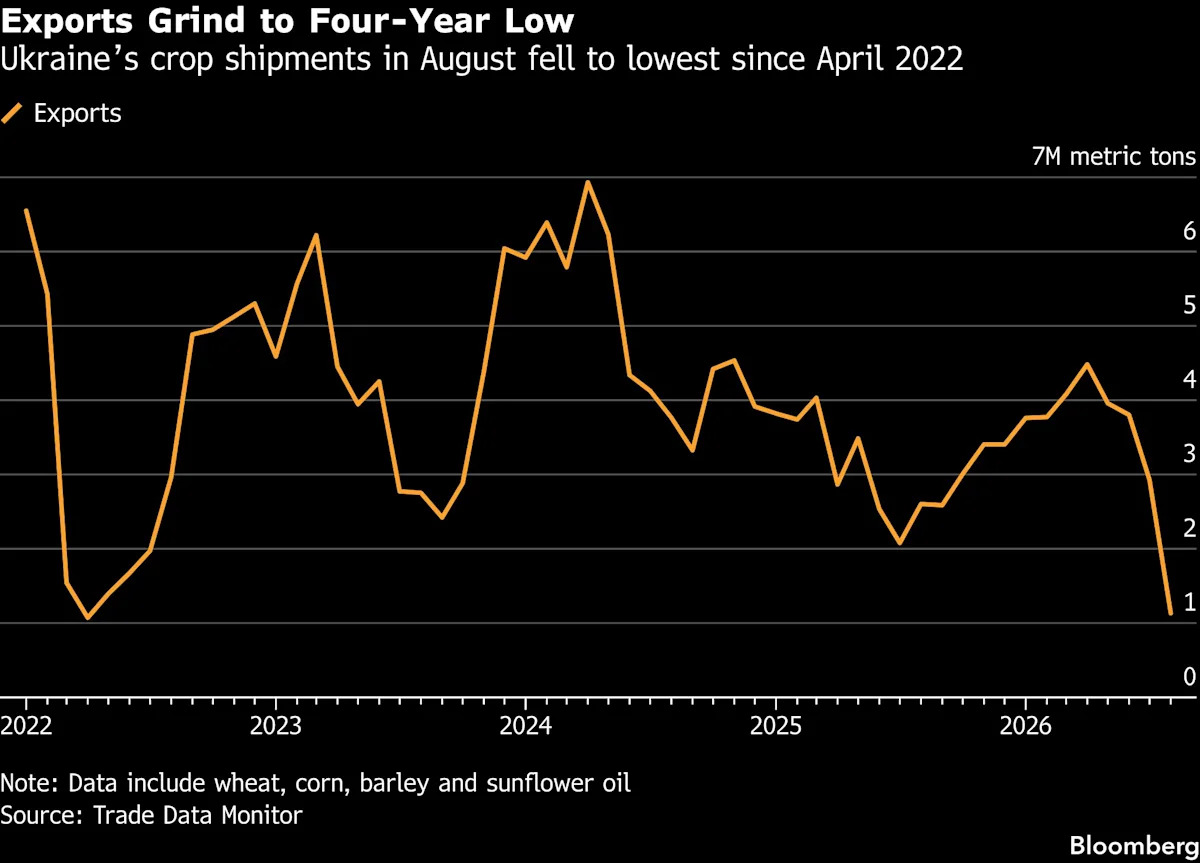
For European farmers, traders, and agronomists, the parallels drawn between the Black Sea and the Strait of Hormuz underscore a precarious reality. Just as energy markets hinge on narrow petroleum corridors, global grain availability—particularly wheat, corn, and barley—relies heavily on the unimpeded export routes flowing out of Ukrainian and regional ports. When geopolitical tensions or military actions restrict these maritime pathways, the shockwaves are felt immediately across European grain exchanges and supply chains.
Ukraine remains a cornerstone of global agricultural supply, feeding millions worldwide and heavily influencing domestic price trends across the European Union. Despite the establishment of alternative overland corridors and solidarity lanes through Central and Eastern Europe, logistics costs remain high, and local handling capacities face periodic bottlenecks. When key Black Sea ports experience delays or closures, international buyers are forced to frantically pivot toward alternative origins in the EU, North America, or South America, driving up input and purchasing costs.
For agricultural producers in countries like Poland, Romania, and Germany, these ongoing disruptions create a deeply volatile pricing environment. While export-oriented farmers might occasionally benefit from tightened global supplies pushing up commodity prices, the broader picture is characterized by extreme unpredictability in fertilizer, fuel, and transport expenses. Farm input costs remain sensitive to broader macroeconomic shocks, meaning that any escalation in maritime freight risks or insurance premiums quickly trickles down to the operational balance sheet.
Furthermore, agrotechnology investments and storage management on European farms are increasingly shaped by these macro-level supply chain vulnerabilities. Growers are placing a higher premium on on-farm grain storage, precision marketing tools, and risk-management strategies to navigate sudden market corrections. Being able to hold crops longer rather than selling immediately post-harvest has become a vital tactic for farms seeking to weather the storm of Black Sea volatility.
As diplomatic and military pressures in the region persist, the agricultural sector must brace for continued logistical friction. Policymakers and industry stakeholders continue to debate the resilience of European transport networks and the necessity of supporting both Ukrainian producers and domestic EU markets against sudden price swings. For working agronomists and farm managers, the key takeaway is clear: maritime security in the East remains one of the single most influential variables governing farm gate prices and operational planning across the continent.
Context for farmers: Persistent blockades and maritime friction in the Black Sea region mean European producers should anticipate continued volatility in grain prices and input costs, requiring proactive risk management and flexible marketing strategies. Prices for wheat and corn will likely react sharply to any sudden shifts in export corridor security.
— agronom.work editorial team