
Bluetongue Restrictions Expand as Disease Risks Persist Across Europe
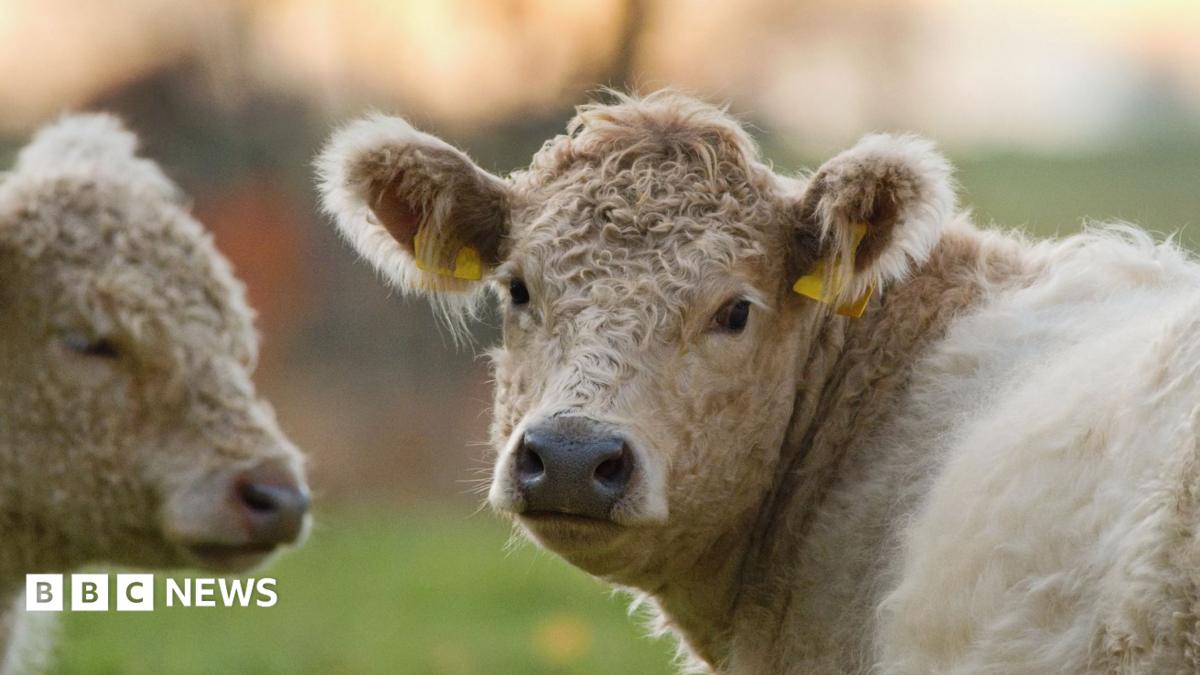
The agricultural landscape in parts of the UK is facing renewed pressure as government authorities establish expanded restricted zones to curb the spread of the bluetongue virus. Recent measures in Dumfries and Galloway and parts of Ayrshire underscore a grim reality: the disease, transmitted by biting midges, is proving stubborn, and authorities are warning that the risk to livestock remains elevated.
Bluetongue disease, primarily affecting sheep and cattle, causes severe economic disruption due to movement restrictions, reduced productivity, and potential mortality. For livestock farmers, these zones mean that the ability to trade, sell, or relocate animals is significantly curtailed, often during peak marketing periods. The reliance on government permits to move livestock within or out of these zones adds a layer of administrative burden that complicates farm cash flow.
Veterinary experts emphasize that the virus is heavily climate-dependent. As the midge population remains active in milder autumn conditions, the window for virus transmission stays open longer than historically observed. This creates a challenging environment for farm biosecurity, where traditional protection methods like vaccination are becoming the most reliable tool to mitigate risk before the next season begins.
Looking at the broader European context, this outbreak is not an isolated event. Many regions in Western Europe have dealt with similar viral incursions recently, which have been exacerbated by changing weather patterns. For professional farmers, this reinforces the need to stay vigilant regarding symptom monitoring, as early detection remains the primary defense against wider herd contamination.
What this means for the market: Livestock producers should anticipate continued volatility in local trade and potential price pressure in restricted zones. Ensure your biosecurity protocols are updated, and check with local veterinary authorities regarding the latest guidance on midge control and vaccination availability for the upcoming season to minimize exposure risk.
— agronom.work editorial team