
Soil Bacteria Breakthrough Offers New Hope for Saline-Prone Farmland
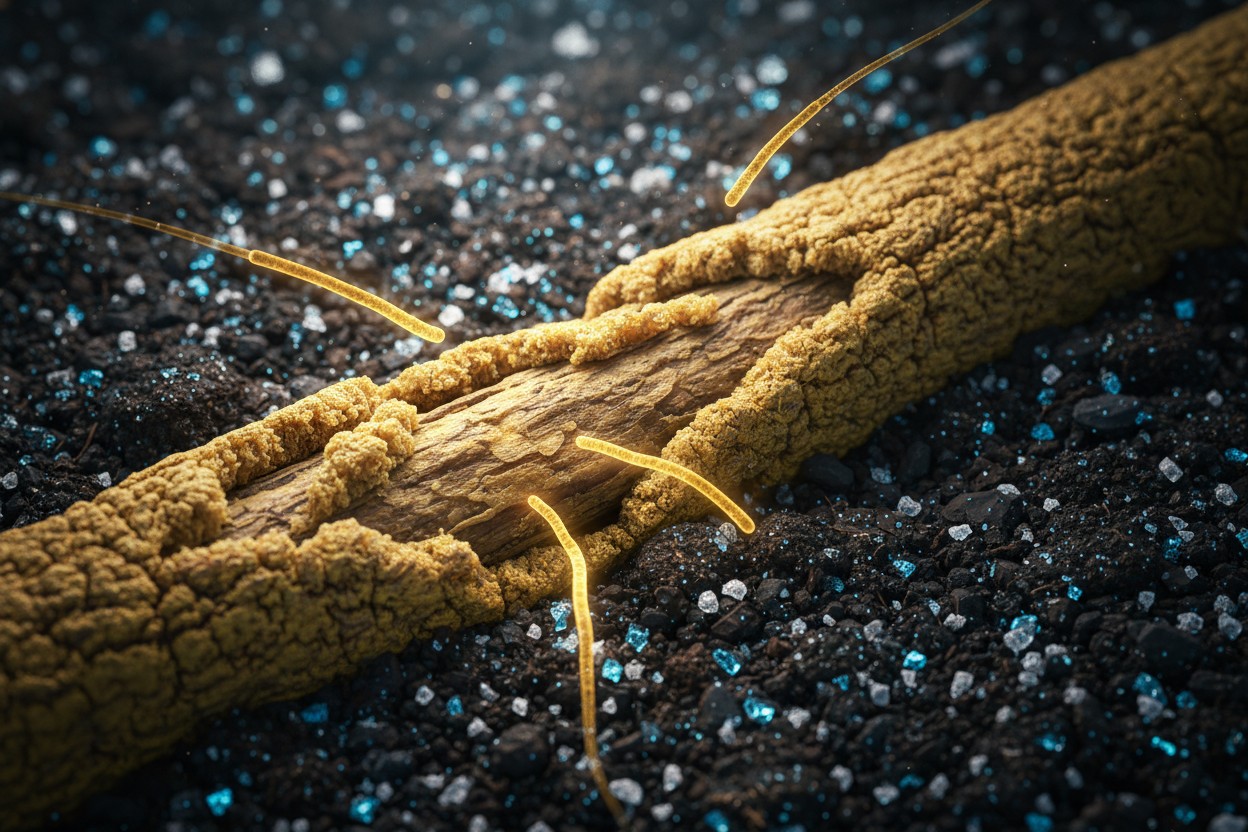
Soil salinity is an escalating challenge for European agriculture, particularly in regions experiencing intensive irrigation or saltwater intrusion due to rising sea levels. A new study from the University of East Anglia highlights a natural biological mechanism that could serve as a game-changer for crop resilience. Researchers identified that pseudomonad bacteria actively migrate to plant roots when salt stress is detected, triggering the production of lignin.
This lignin acts as a fortified protective barrier within the root structure. By strengthening the plant's cell walls, these bacteria essentially allow the crop to mitigate the osmotic stress caused by high salt concentrations in the soil. For farmers managing land in vulnerable coastal regions or areas with declining water quality, this discovery offers a potential pathway to maintaining yields without relying solely on traditional soil remediation.
The integration of beneficial microbes into agricultural practices is a growing frontier in biotechnology. Rather than focusing exclusively on chemical amendments or soil flushing—which are often costly and resource-intensive—this biological approach suggests that soil microbiome management could become a primary tool in the agronomist’s toolkit for managing climate-stressed land.
While this research is still in the developmental phase, it points toward a future where biological seed treatments or specialized inoculants could be specifically engineered to combat salinity. This would represent a significant shift for regions like the Netherlands or parts of the Mediterranean, where soil composition is increasingly dictating the feasibility of certain high-value crop varieties.
Context for farmers: While these commercial solutions are still in development, this study highlights the importance of fostering soil health. Maintaining a diverse, active microbiome can provide natural buffers against abiotic stressors, so practices like reduced tillage and organic matter supplementation remain your best primary defense against soil degradation.
— agronom.work editorial team