
Boosting Soybean Yields: The Shift Toward Genomic Selection
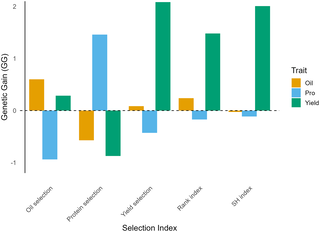
Soybean breeding is undergoing a technological transformation. Traditionally, developing a new commercial soybean variety has been a slow process, often taking a decade or more to move from initial crosses to field-ready seeds. New research suggests that integrating genomic selection (GS) into public breeding programs can significantly slash these timelines, bringing improved traits to market years ahead of conventional schedules.
Genomic selection works by using high-density genetic markers to predict the performance of individual plants based on their DNA. Rather than waiting for multiple generations of field trials to observe how a plant matures, reacts to local pests, or handles drought, breeders can analyze the genetic potential of seedlings. This high-throughput approach allows researchers to evaluate thousands of plants in the lab, selecting only the most promising candidates for field testing.
For European farmers, this acceleration is critical as climate volatility intensifies. As soybean cultivation expands northward into regions like Poland and Germany, there is an urgent need for varieties that can thrive in shorter growing seasons while resisting new diseases and pests. Genomic selection provides the agility needed to pivot breeding goals toward these specific environmental challenges in real-time.
Beyond speed, the cost-efficiency of GS is a game changer for public research institutions. By narrowing down the pool of candidates early in the process, breeding programs can allocate limited resources—land, water, and labor—more effectively. This ensures that field trials are conducted on high-probability performers, ultimately lowering the R&D costs that are often passed down to producers in the form of expensive seed technology.
Context for farmers: Genomic selection is moving from the lab to the field, meaning farmers can expect a faster release cycle for specialized, stress-tolerant soybean varieties. Keep an eye on regional variety trials over the next few seasons, as these genomic-led programs will likely introduce traits specifically optimized for local European soil conditions and changing climate patterns.
— agronom.work editorial team