
The Silent Crisis: Navigating the Long-Term Impact of Bovine TB on European Livestock
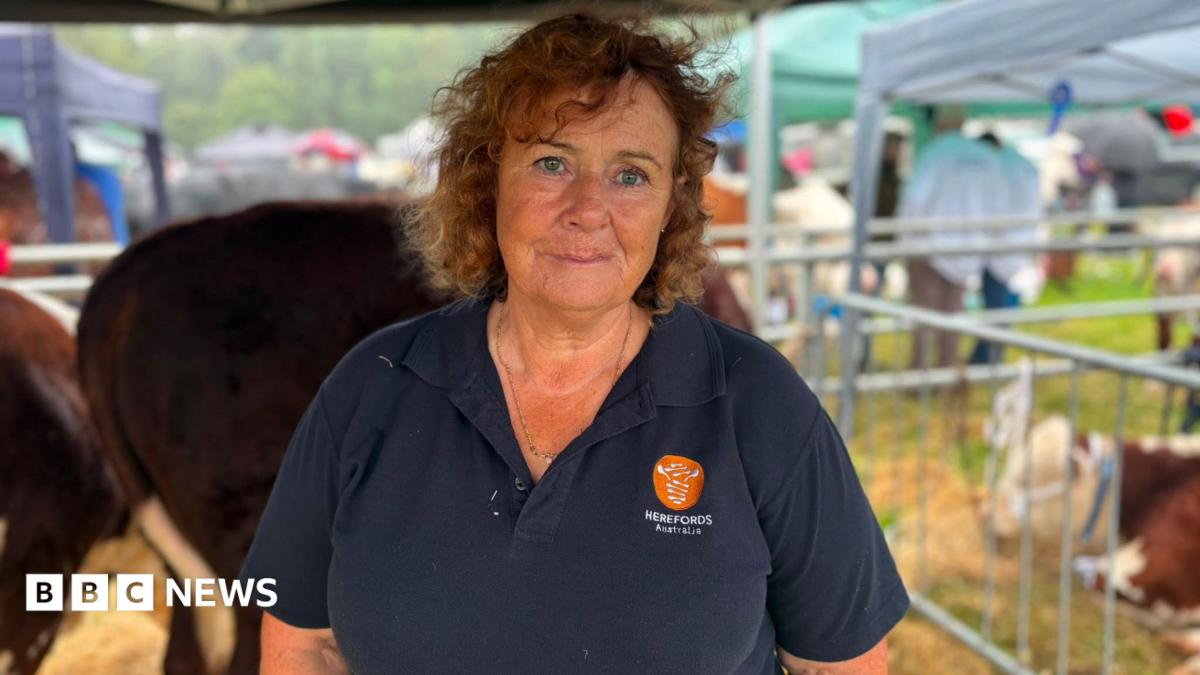
Bovine Tuberculosis (bTB) continues to represent one of the most complex challenges for cattle farmers across Europe. Beyond the immediate financial repercussions of herd culling and restricted movement, the disease imposes a profound psychological burden on farming families who often spend generations building up specific genetic lines.
For the average breeder, a TB breakdown is not merely a statistical event; it is an operational catastrophe. Once a herd is under restriction, the farm faces indefinite bans on moving animals off-site, which disrupts planned breeding programs and complicates the management of grazing cycles. This ripple effect can lead to severe overcrowding in barns, increased fodder costs, and a total freeze on farm revenue.
The debate surrounding bTB management often centers on wildlife intervention. While scientific consensus recognizes multi-host transmission dynamics, farmers on the ground frequently advocate for more robust wildlife monitoring and control measures. They argue that the current protocols place a disproportionate burden on the producer while failing to address reservoir populations in the environment.
Modern farm management now requires an increased focus on biosecurity as a defensive layer. Strengthening boundary fencing, restricting access to shared water sources, and improving herd immunity through stringent nutrition are the primary tools farmers have to mitigate risk. However, these measures do not eliminate the threat of infection from external vectors.
Context for farmers: To protect your operation, prioritize strict biosecurity protocols and maintain precise records of wildlife presence near pasture boundaries to assist regional veterinary investigations. Engaging with local herd health programs remains your best defense against the catastrophic economic and emotional toll of a sudden herd breakdown.
— agronom.work editorial team