
Canada Halts Texas Cattle Imports Amid Severe Screwworm Outbreak
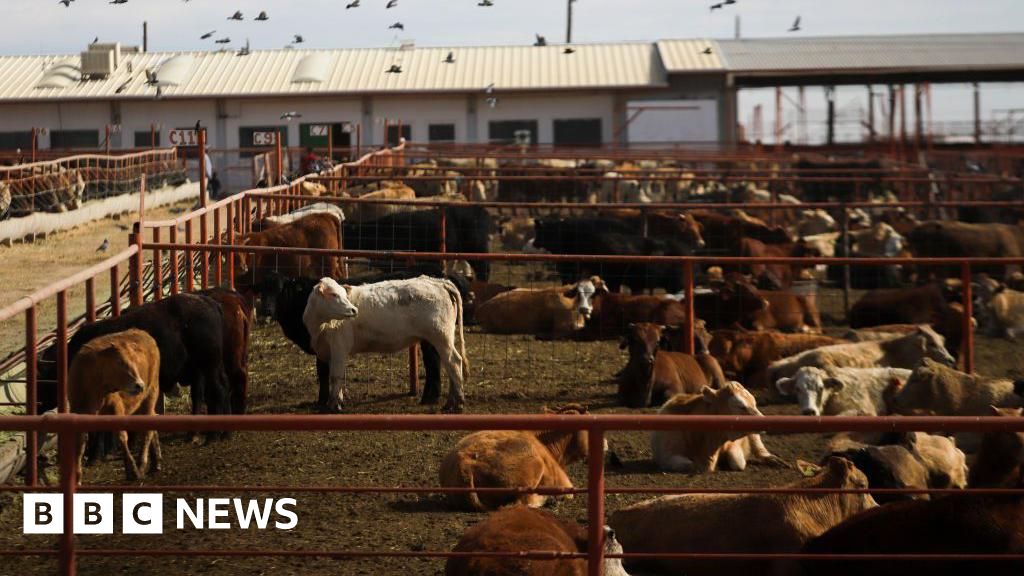
Canada has officially banned the importation of cattle from Texas following the confirmation of a flesh-eating screwworm outbreak in the US state. The decision comes on the heels of a second infected calf being identified, prompting Texas authorities to declare a state of disaster. This rapid regulatory response highlights the severe threat this parasitic infestation poses to the broader livestock industry.
For animal husbandry professionals, the New World screwworm (Cochliomyia hominivorax) is a notorious and devastating pest. Unlike typical blowflies that feed on dead tissue, screwworm flies lay their eggs in the open wounds of living animals. The hatching maggots burrow into healthy flesh, causing massive tissue damage, secondary infections, and often death if left untreated. The US successfully eradicated the pest decades ago, making this localized resurgence a significant biosecurity alarm for global agricultural markets.
The ban immediately disrupts a deeply integrated two-way trade network between the US and Canada. Livestock regularly move across this border for breeding, dairy production, slaughter, and even wool logistics. With Canadian imports of US cattle having grown in recent years, this sudden halt forces meatpackers and breeders to scramble for alternative sourcing, potentially causing short-term price volatility in North American beef and dairy genetics markets.
While European farmers are geographically isolated from this specific outbreak, the situation serves as a stark reminder of how quickly cross-border agricultural trade can be paralyzed by sanitary and phytosanitary (SPS) measures. Outbreaks of eradicated diseases often prompt immediate international trade barriers. European breeding operations that rely on North American genetics may also face temporary logistical hurdles or increased scrutiny if the outbreak spreads beyond Texas.
Worth noting: For livestock operators globally, this outbreak underscores the critical importance of strict biosecurity protocols and rapid isolation of new stock. While the immediate economic impact is confined to North American trade channels, any spread of the screwworm could tighten global beef supplies and alter international trade flows for breeding cattle.
— agronom.work editorial team