
Canada and China Agree on Tariff Relief for Agricultural Exports
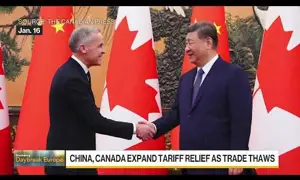
Recent high-level diplomatic talks between Canadian leadership and Chinese President Xi Jinping in Shenzhen have yielded a significant breakthrough for international trade. The two nations have formally agreed to implement further tariff relief measures targeting key sectors, most notably agriculture and steel exports. For major grain and oilseed exporters globally, any shifting of trade flows between North America and Asia creates ripple effects that can quickly alter export parity and domestic pricing structures.
Canada remains a powerhouse in the production and export of crops like canola, wheat, and barley. When Beijing adjusts import duties or eases administrative barriers for Canadian commodities, it directly influences where global buyers source their grain. European agronomists and grain traders monitor these trans-Pacific agreements closely, as shifts in Canadian supply availability to Asia often leave traditional buyers in other regions looking for alternative origins, particularly from the European Union and the Black Sea basin.
For European farmers, fluctuations in North American export competitiveness can directly influence MATIF and CBoT futures contracts. When Canadian canola or wheat gains more favorable access to the massive Chinese market, global price benchmarks tend to adjust accordingly. This dynamic affects input purchasing decisions and forward-selling strategies for oilseeds and cereals across Poland, Germany, France, and neighboring agricultural powerhouses.
Furthermore, these bilateral agreements highlight the increasing volatility of global agricultural trade policies. As geopolitical realignments reshape traditional supply chains, primary producers and agritech enterprises must stay agile. Farm managers are increasingly relying on advanced market intelligence and risk management tools to navigate sudden shifts in international demand and input cost structures.
What this means for the market: Reduced agricultural tariffs between Canada and China could redirect substantial volumes of North American commodities, altering global grain trade routes and influencing European export pricing. Grain producers and traders should factor these shifting trade flows into their near-term marketing and hedging strategies.
— agronom.work editorial team