
CAP Reform and the Dilemma of Active Farmers vs Hobby Landowners in Europe
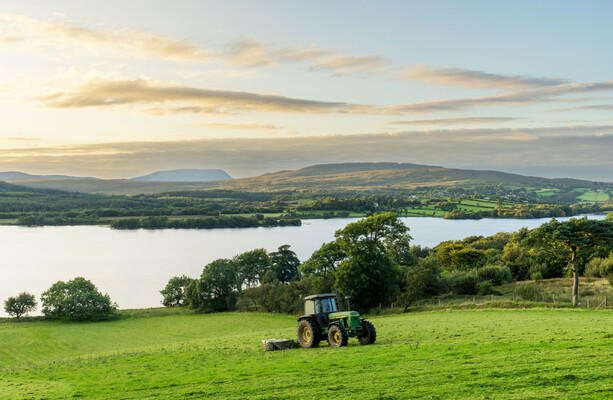
The debate surrounding agricultural subsidies in Europe has intensified once again, focusing heavily on how to distinguish between genuine, production-oriented farmers and so-called hobby landowners. As agricultural events draw policymakers and farm representatives together, the question of who truly qualifies for financial backing under the EU's Common Agricultural Policy (CAP) remains a contentious issue. Critics argue that diverting direct payments away from part-time or lifestyle landholders will not magically solve broader structural vulnerabilities within national food systems.
For commercial growers and agronomists, the core of the issue extends far beyond bureaucratic definitions of farming activity. Across many European nations, agricultural sectors face a glaring paradox: they export massive volumes of premium commodities like dairy, beef, and cereals, yet they simultaneously import a significant share of the daily food consumed domestically. This structural imbalance exposes supply chains to external shocks, climate anomalies, and geopolitical disruptions, making local food security a precarious balancing act rather than a guaranteed baseline.
The Common Agricultural Policy has historically served as the financial backbone for rural economies across member states, supporting everything from basic income stability to environmental schemes. However, tightening the criteria to exclude smaller or non-commercial holdings risks shrinking the wider rural land management network. Many smaller landowners maintain landscape features, manage biodiversity, and act as a vital labor reserve during peak seasonal operations such as harvesting or planting.
Furthermore, discussions on redefining the 'active farmer' directly impact land rental markets and farm consolidation trends. When financial supports become strictly tied to intensive commercial output, smaller operators may find it increasingly difficult to compete, leading to land concentration among large-scale agro-holdings. While industrial farms drive export numbers and efficiency, a diverse rural ecosystem relies on a mix of scales to maintain resilient regional supply chains and prevent agricultural depopulation.
Ultimately, reforming subsidy distribution requires a delicate touch that addresses domestic food security without destabilizing the broader rural economy. Policymakers must weigh the efficiency gains of supporting large-scale producers against the socio-ecological value provided by smaller holdings. For agronomists and farm managers navigating changing regulatory landscapes, understanding these shifts is crucial for long-term operational planning and investment strategies.
Context for farmers: Subsidy eligibility rules under the CAP directly influence local land values, rental agreements, and investment planning for both commercial and small-scale agricultural producers across Europe.
— agronom.work editorial team