
Proposed Global Ban on Carbosulfan: What European Farmers Should Monitor
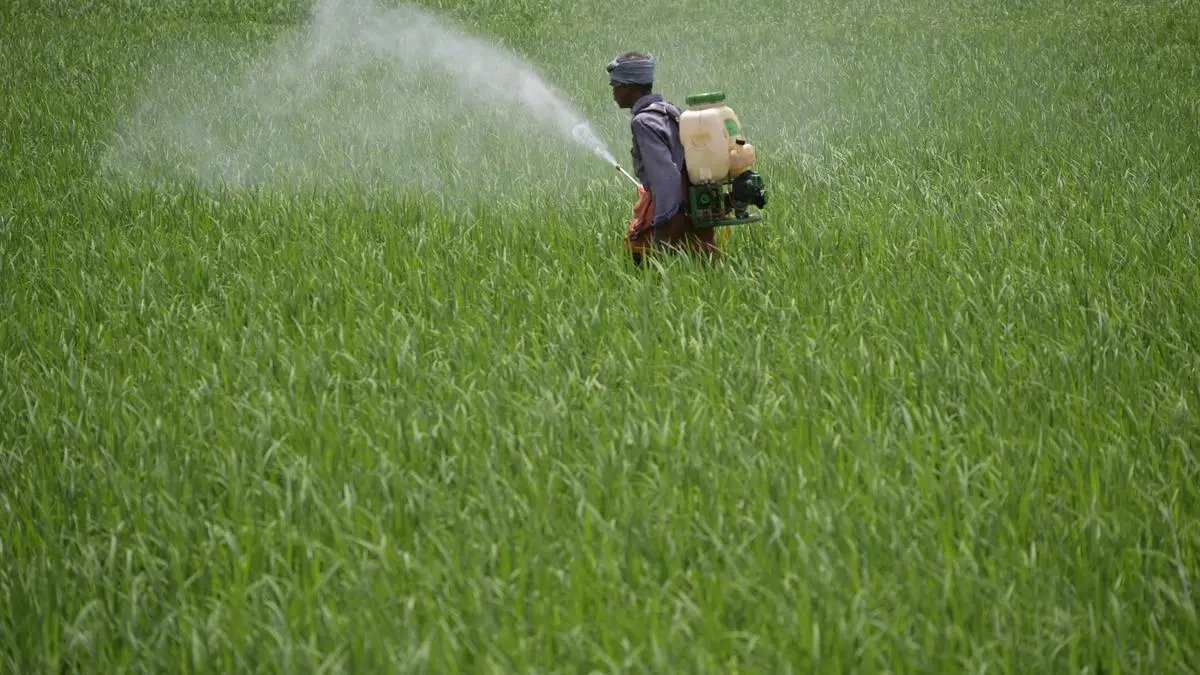
The Indian government has initiated a move to completely ban the use of Carbosulfan, a carbamate insecticide widely employed in paddy, cotton, and various horticultural crops. The decision stems from the substance's classification as highly hazardous to birds, pollinators, and aquatic life. Crucially, authorities noted the lack of a specific antidote for human exposure, prompting a shift toward safer alternatives in agricultural pest management.
For European agronomists and farmers, this development serves as a precursor to global regulatory trends. While Carbosulfan usage in the EU has already been significantly curtailed or phased out under stringent EFSA guidelines, the international movement to ban such broad-spectrum insecticides signals a tightening of the global supply chain for crop protection products. Regulatory divergence between major agricultural exporters and Europe often influences future import standards regarding Maximum Residue Limits (MRLs).
The phase-out of such substances forces producers to pivot toward Integrated Pest Management (IPM) practices. As chemical efficacy declines due to stricter bans, the reliance on biological controls, pheromone traps, and resistant crop varieties becomes essential to maintain yield stability. Growers currently utilizing older systemic insecticides should evaluate their long-term reliance on these chemicals as international regulatory pressure mounts.
This shift also presents a commercial hurdle for machinery and chemical suppliers. Companies are accelerating the development of precision application technologies that reduce the volume of active ingredients needed, effectively offsetting the loss of traditional high-toxicity chemicals. For the European market, which already operates under the 'Farm to Fork' strategy, this global trend underscores the necessity of remaining ahead of the curve in sustainable agronomy.
What this means for the market: European farmers should expect continued downward pressure on the availability of broad-spectrum insecticides and should proactively update their IPM plans to avoid future compliance risks. Prioritizing alternative pest control methods now will shield your operation from sudden price volatility or sudden regulatory restrictions on agricultural imports.
— agronom.work editorial team