
Cattle Prices Surge to Record Highs Following Heavy Rains in Australia
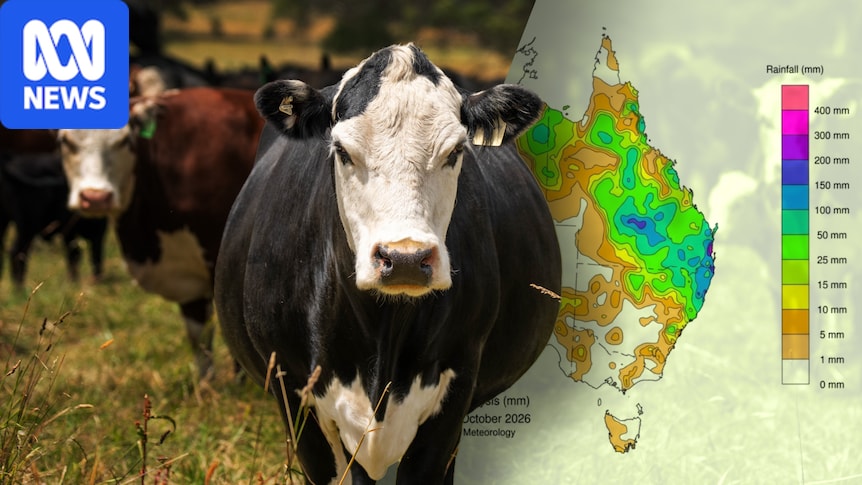
Livestock markets across major beef-producing regions have shifted into a higher gear following significant rainfall events in Queensland and northern New South Wales. The sudden shift in weather patterns has dramatically altered pasture outlooks, prompting intense competition among buyers eager to secure stock for rebuilding herds.
Data from Meat and Livestock Australia highlights a sharp upward trajectory for key cattle indicators, reflecting an immediate tightening of supply as pastoralists transition from drought liquidation to herd retention. Restockers and feedlot operators are finding themselves locked in aggressive bidding for available animals, directly impacting procurement costs across the supply chain.
For European livestock producers and global beef market watchers, these distant price movements illustrate how rapidly weather-driven supply contractions can alter global valuation dynamics. While European beef markets operate under distinct regulatory frameworks and supply chains, global protein pricing often experiences ripple effects when major exporting nations see sudden inventory shifts.
The current situation underscores the perpetual vulnerability of livestock enterprises to climatic volatility, where the arrival of rain transforms production economics overnight. Pasture availability immediately trumps short-term cost considerations, forcing a rapid recalibration of farm-gate margins for cow-calf operations and backgrounding enterprises alike.
As these market dynamics play out in the Southern Hemisphere, European farmers and farm managers monitoring international trade flows should keep a close eye on how sustained high livestock values influence global export volumes and competing protein markets in the months ahead.
Context for farmers: Sudden weather-driven shifts in major exporting countries can tighten global protein supplies and influence international trade flows, serving as a reminder of how quickly pasture conditions dictate market cycles. European producers should monitor how these shifts impact global feed and livestock economics.
— agronom.work editorial team